Advanced Auto Parts: Innovative Solutions for Modern Vehicle Performance and Safety

All Categories

Get a Free Quote

Our representative will contact you soon.
Email
Name
Company Name
Message
0/1000

auto parts types

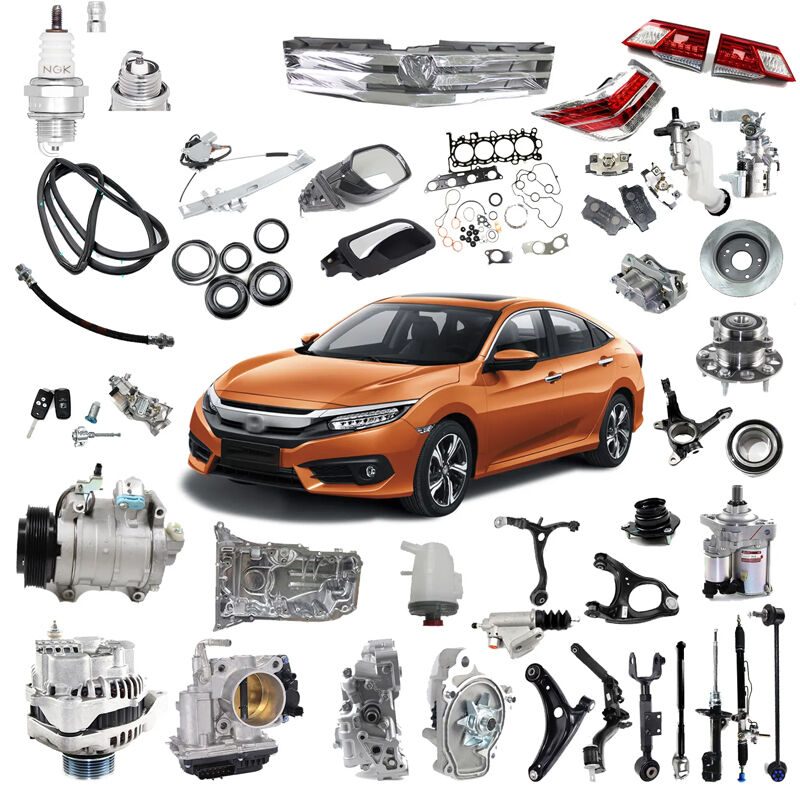
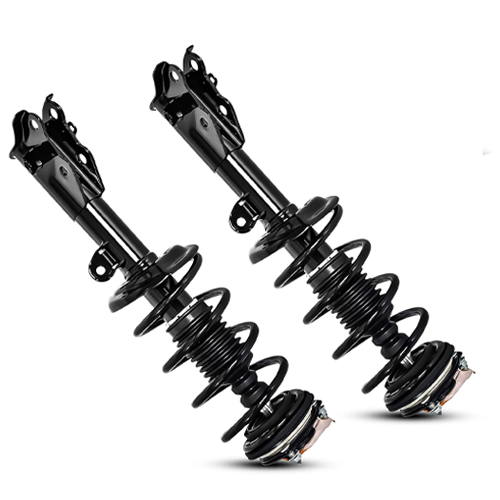
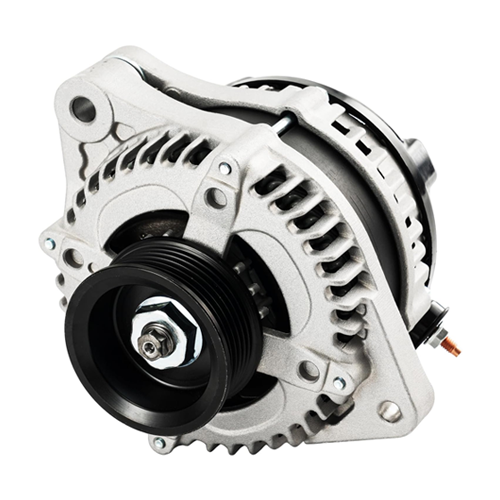
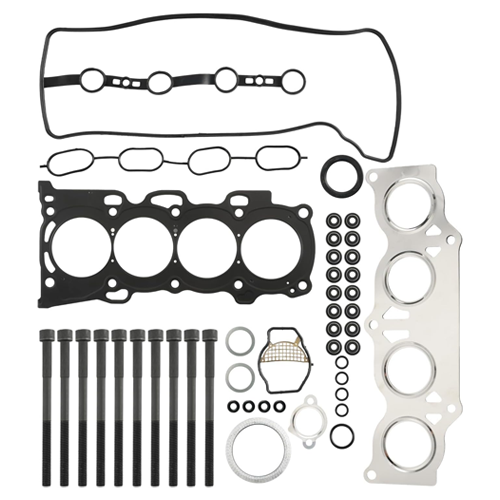
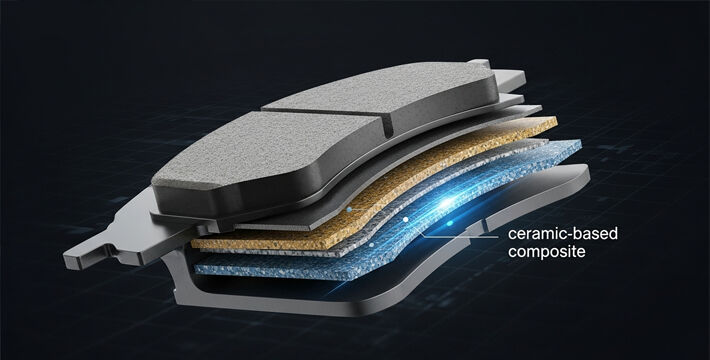
Auto parts represent the essential components that make up modern vehicles, encompassing everything from engine components to exterior accessories. These parts can be broadly categorized into mechanical, electrical, and structural components. Mechanical parts include the engine, transmission, brakes, and suspension systems, which are crucial for vehicle operation and performance. Electrical components comprise the battery, alternator, starter motor, and various sensors that power and control vehicle systems. Structural parts include body panels, chassis components, and interior elements that provide form and protection. Modern auto parts increasingly incorporate advanced materials and smart technologies, featuring innovations like integrated sensors, computer-controlled systems, and lightweight composites. These components work together seamlessly to ensure vehicle safety, efficiency, and reliability. Many parts now come with enhanced durability features, such as corrosion-resistant coatings and improved heat tolerance, extending their operational lifespan. The manufacturing processes have evolved to include precision engineering and quality control measures, ensuring consistent performance across all components. Additionally, many parts are designed with environmental considerations in mind, using recyclable materials and energy-efficient production methods.

New Products

Auto parts offer numerous advantages that benefit vehicle owners and maintenance professionals alike. First, they provide crucial performance optimization, allowing vehicles to operate at peak efficiency through properly matched and quality-certified components. Modern auto parts feature enhanced durability and reliability, thanks to advanced materials and manufacturing processes that extend service life and reduce maintenance frequency. Cost-effectiveness is another significant advantage, as quality parts prevent costly repairs and vehicle downtime. The availability of both OEM and aftermarket options gives consumers flexibility in choosing parts that best suit their needs and budget. Many contemporary auto parts include smart features that enable better monitoring and diagnostics, helping prevent major mechanical issues before they occur. Environmental benefits are also notable, with many parts designed for improved fuel efficiency and reduced emissions. The standardization of parts across various models and manufacturers ensures wider compatibility and easier replacement. Safety features are integrated into many components, from enhanced brake systems to reinforced structural elements, providing better protection for vehicle occupants. The modular design of many parts simplifies installation and maintenance procedures, reducing labor costs and time. Additionally, the increasing focus on lightweight materials helps improve overall vehicle performance while maintaining structural integrity and safety standards.

Latest News

More Than Just Stopping: A Deep Dive into the Materials and Craftsmanship of SUOKE High-Performance Brake Pads

07

Jul

More Than Just Stopping: A Deep Dive into the Materials and Craftsmanship of SUOKE High-Performance Brake Pads

View More
The Next Frontier in the NEV Aftermarket: Why High-Quality EV-Compatible Parts are Your Must-Win Territory

16

Jul

The Next Frontier in the NEV Aftermarket: Why High-Quality EV-Compatible Parts are Your Must-Win Territory

View More
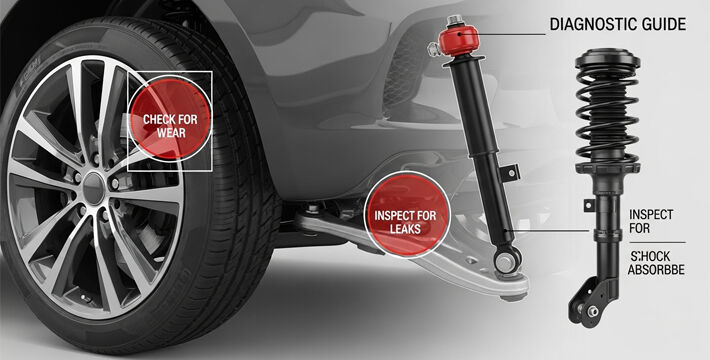
A Guide to Improving Customer Satisfaction: From Strange Noises to Steering Pull, How to Accurately Diagnose Suspension Problems and Select the Right Parts

07

Jul

A Guide to Improving Customer Satisfaction: From Strange Noises to Steering Pull, How to Accurately Diagnose Suspension Problems and Select the Right Parts

View More

Get a Free Quote

Our representative will contact you soon.
Email
Name
Company Name
Message
0/1000

auto parts types

Advanced Materials and Technology Integration

Advanced Materials and Technology Integration

Modern auto parts showcase remarkable advancements in materials science and technology integration. High-strength, lightweight materials such as carbon fiber composites and aerospace-grade aluminum are increasingly common, offering superior strength-to-weight ratios compared to traditional materials. These advanced materials contribute to improved fuel efficiency while maintaining or enhancing structural integrity. Smart sensors and electronic controls are embedded in many components, providing real-time monitoring and adjustment capabilities. This integration enables predictive maintenance alerts and optimal performance tuning. The use of nanotechnology in surface treatments and coatings has significantly improved wear resistance and longevity of various components.
Enhanced Safety and Reliability Features

Enhanced Safety and Reliability Features

Safety and reliability are paramount in modern auto parts design and manufacturing. Components undergo rigorous testing and quality control processes to ensure consistent performance under various conditions. Advanced brake systems incorporate electronic stability control and anti-lock features, while structural components are designed with progressive deformation zones for improved crash protection. Electrical systems feature redundant circuits and fail-safe mechanisms to prevent critical system failures. The implementation of standardized quality management systems ensures that parts meet or exceed safety regulations and performance standards. These features contribute to increased vehicle longevity and reduced maintenance requirements.
Environmental Sustainability and Efficiency

Environmental Sustainability and Efficiency

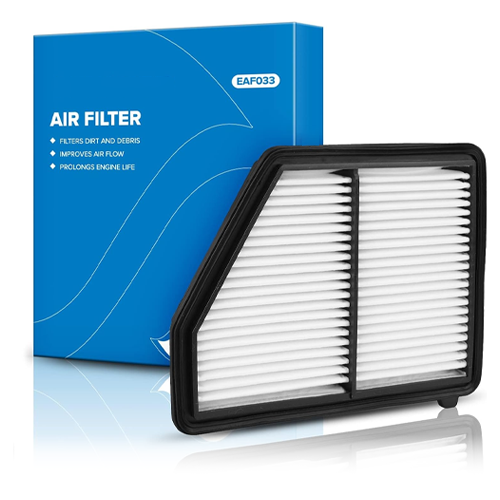
Environmental considerations play a crucial role in contemporary auto parts design and manufacturing. Many components are now produced using eco-friendly materials and processes that reduce environmental impact. Recyclable materials are increasingly utilized, while manufacturing processes are optimized for energy efficiency. Parts are designed to minimize friction and maximize energy transfer, contributing to better fuel economy and reduced emissions. Advanced filtration systems and catalytic converters help reduce harmful exhaust emissions, while electric and hybrid vehicle components support the transition to cleaner transportation alternatives. The focus on sustainability extends to packaging and distribution methods, with many manufacturers adopting environmentally responsible practices throughout the supply chain.

Get a Free Quote

Our representative will contact you soon.
Email
Name
Company Name
Message
0/1000