shock strut
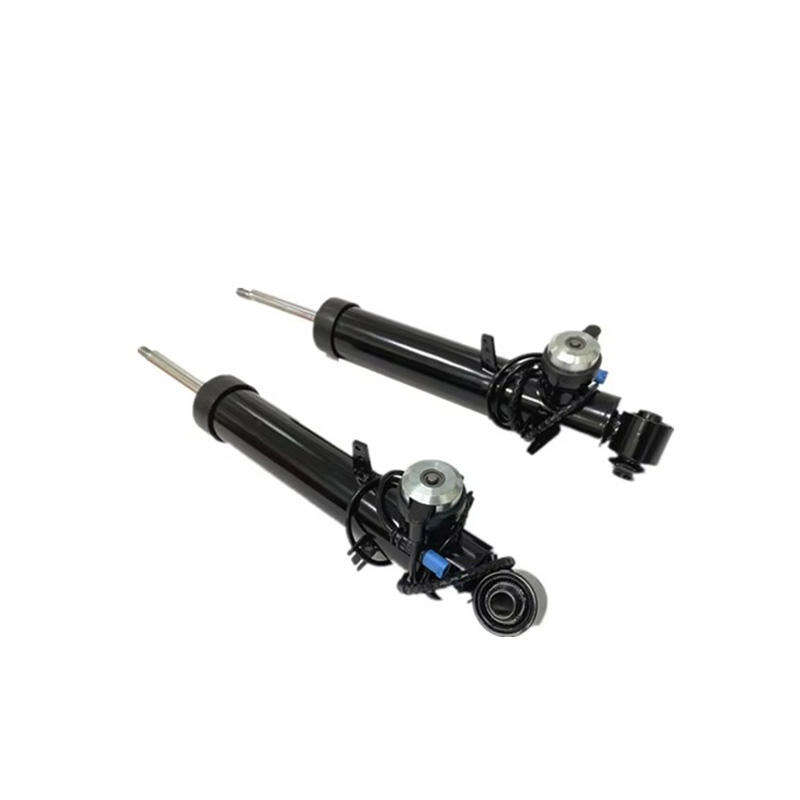
A shock strut is a sophisticated mechanical component that combines the functions of both a shock absorber and a supporting strut, primarily used in aircraft landing gear systems and heavy industrial applications. This essential device serves multiple critical purposes, including absorbing landing impact forces, dampening vibrations during ground operations, and supporting the weight of the vehicle or equipment. The shock strut operates through a hydraulic-pneumatic system, utilizing both oil and compressed gas to manage energy dissipation effectively. Its internal design features precision-engineered chambers containing hydraulic fluid and pressurized nitrogen gas, working in harmony to provide optimal damping characteristics. The main cylinder houses a piston that moves through the hydraulic fluid, while the compressed gas acts as a spring mechanism. This dual-action design allows the shock strut to handle both small vibrations and significant impact loads efficiently. In aircraft applications, shock struts are crucial components that help ensure smooth landings and protect the airframe from excessive stress. The technology has evolved to incorporate advanced materials and sophisticated sealing systems, ensuring reliable performance across various operating conditions. Modern shock struts often feature self-leveling capabilities and adaptive damping characteristics, making them invaluable in both aviation and industrial settings where precise load management and vibration control are essential.


 EN
EN