
 EN
EN
Understanding the Critical Role of Modern Cabin Air Filtration Systems
In today's automotive and industrial sectors, cabin air filters play an increasingly vital role in ensuring clean, healthy air quality for vehicle operators and passengers. As environmental concerns and health awareness continue to rise, B2B buyers face the crucial task of selecting the right cabin air filters that meet both technical specifications and end-user requirements. Understanding the essential features and capabilities of modern cabin air filters is fundamental to making informed purchasing decisions that impact fleet efficiency and operator well-being.
The automotive filtration market has evolved significantly, with cabin air filters becoming more sophisticated in their design and functionality. These essential components now incorporate advanced materials and innovative technologies that go beyond simple particle removal, offering comprehensive protection against various airborne contaminants. For fleet managers and purchasing professionals, recognizing these advancements is crucial for making strategic procurement choices.
Essential Performance Characteristics of Premium Cabin Air Filters
Filtration Efficiency and Particle Capture
High-quality cabin air filters must demonstrate superior filtration efficiency across multiple particle sizes. The most effective filters capture not only large particles but also microscopic contaminants down to PM2.5 and even smaller. Advanced cabin air filters utilize multi-layer media that can trap up to 99.9% of harmful particles, including dust, pollen, brake dust, and other atmospheric pollutants. This comprehensive filtration capability ensures optimal air quality inside the vehicle cabin.
Moreover, modern cabin air filters incorporate electrostatically charged media that enhance particle capture without restricting airflow. This technology allows for improved filtration performance while maintaining system efficiency and reducing strain on the vehicle's HVAC system.
Material Quality and Construction
The durability and effectiveness of cabin air filters largely depend on their construction materials and manufacturing processes. Premium filters feature high-grade filter media with robust structural support to maintain shape and performance under varying conditions. The pleated design maximizes surface area while ensuring optimal airflow, and quality frame materials prevent bypass and ensure proper filter seating.
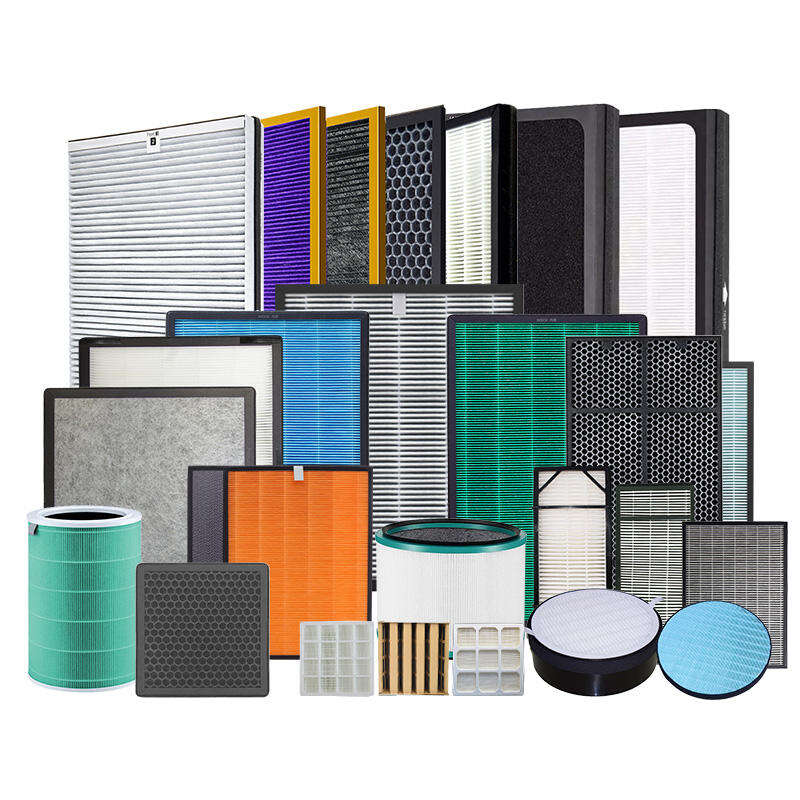
Advanced cabin air filters often incorporate multiple layers of different media types, each serving specific functions. This may include a pre-filter layer for larger particles, activated carbon for odor absorption, and specialized materials for capturing ultra-fine particles and biological contaminants.
Advanced Features for Enhanced Protection
Antimicrobial Treatment and Biological Defense
Leading cabin air filters now come with built-in antimicrobial properties to combat biological contaminants. These treatments help prevent the growth of bacteria, mold, and other microorganisms within the filter media, ensuring sustained protection throughout the filter's service life. This feature is particularly important for commercial fleet vehicles that operate in various environmental conditions.
The antimicrobial capabilities of modern cabin air filters extend beyond simple bacterial resistance. Advanced filters may incorporate specialized coatings or treatments that actively neutralize biological threats, providing an additional layer of protection for vehicle occupants.
Chemical Filtration and Odor Control
Premium cabin air filters often feature activated carbon layers or similar advanced materials for chemical filtration and odor control. These components effectively absorb harmful gases, volatile organic compounds (VOCs), and unpleasant odors, creating a more comfortable and healthier cabin environment. For B2B buyers, this feature is especially relevant when vehicles operate in urban areas or industrial settings where air quality can be compromised.
The integration of chemical filtration capabilities doesn't compromise the filter's primary particle capture function. Instead, it provides comprehensive air quality management that addresses both particulate and gaseous contaminants.
Operational Considerations for B2B Buyers
Service Life and Maintenance Intervals
When selecting cabin air filters, B2B buyers must consider the expected service life and maintenance requirements. Premium filters typically offer extended service intervals, reducing maintenance costs and vehicle downtime. Manufacturers now provide clear indicators of filter life expectancy under various operating conditions, helping fleet managers optimize maintenance schedules.
The best cabin air filters maintain their performance characteristics throughout their service life, showing minimal degradation in filtration efficiency. This consistent performance is crucial for maintaining air quality and protecting HVAC system components.
Installation and Compatibility
Easy installation and proper fit are critical factors for B2B buyers managing large fleets. Quality cabin air filters come with precise specifications and clear installation instructions, reducing maintenance time and ensuring proper function. The filter design should include features that prevent incorrect installation and guarantee proper sealing.
Compatibility across multiple vehicle models can simplify inventory management and streamline maintenance operations. B2B buyers should look for suppliers offering comprehensive coverage with standardized filter designs where possible.
Environmental and Sustainability Aspects
Eco-friendly Materials and Manufacturing
As environmental consciousness grows, B2B buyers increasingly prioritize sustainability in their purchasing decisions. Leading cabin air filter manufacturers now offer products made with environmentally friendly materials and sustainable manufacturing processes. This includes the use of recyclable materials, reduced packaging waste, and energy-efficient production methods.
The environmental impact of filter disposal should also be considered. Some manufacturers have developed biodegradable filter media or implemented recycling programs for used filters, helping organizations meet their sustainability goals.
Energy Efficiency and System Impact
Well-designed cabin air filters optimize airflow while maintaining filtration efficiency, reducing the load on vehicle HVAC systems. This enhanced efficiency can contribute to better fuel economy and reduced system wear. B2B buyers should evaluate the impact of filter selection on overall vehicle performance and operating costs.
Advanced filter designs that minimize air restriction while maintaining high filtration efficiency represent the ideal balance between protection and performance. This optimization helps maintain HVAC system efficiency and vehicle fuel economy.
Frequently Asked Questions
How often should cabin air filters be replaced in commercial vehicles?
Replacement intervals typically range from 12,000 to 15,000 miles, depending on operating conditions. However, vehicles operating in dusty or polluted environments may require more frequent changes. Regular inspection and monitoring of filter condition can help determine optimal replacement timing.
What impact do cabin air filters have on HVAC system efficiency?
Quality cabin air filters maintain proper airflow while filtering contaminants, ensuring optimal HVAC system performance. Poor quality or clogged filters can restrict airflow, forcing the system to work harder and potentially leading to increased fuel consumption and system wear.
Are premium cabin air filters worth the additional cost for fleet vehicles?
Premium cabin air filters often prove cost-effective in the long run due to extended service life, better protection of HVAC components, and improved air quality for operators. The initial higher cost is typically offset by reduced maintenance frequency and enhanced vehicle performance.