
 EN
EN
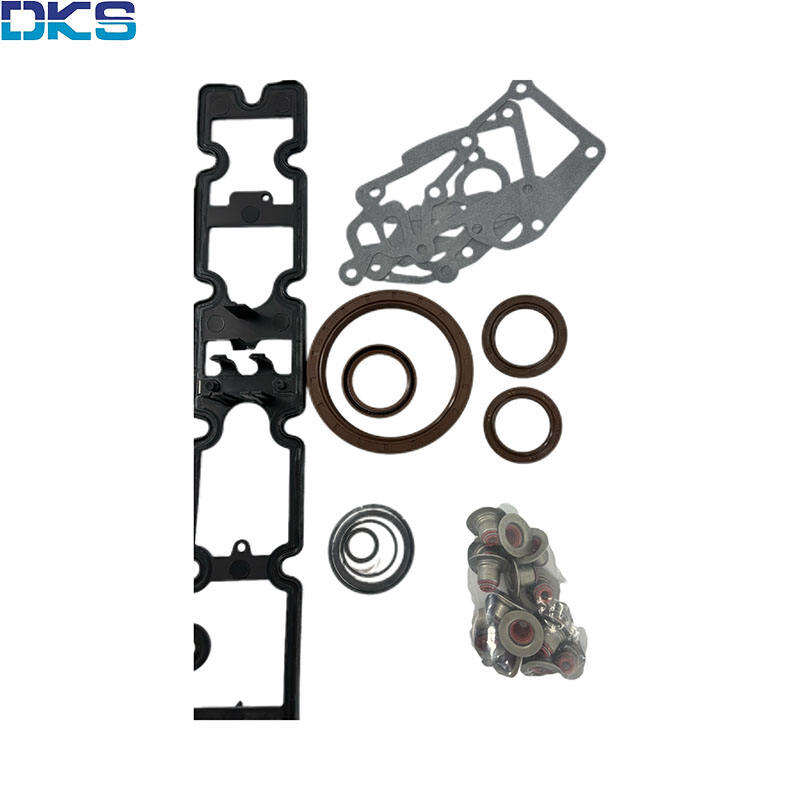
Understanding the Strategic Value of Original Equipment Manufacturer Components
In today's competitive manufacturing landscape, B2B buyers face critical decisions when sourcing engine components for their operations. OEM engine components represent the gold standard in manufacturing, offering reliability and precision that directly impact operational efficiency and bottom-line results. These factory-authorized parts are specifically designed, engineered, and manufactured to meet exact specifications, ensuring seamless integration and optimal performance in equipment applications.
The significance of choosing OEM engine components extends far beyond simple part replacement. It encompasses quality assurance, long-term cost effectiveness, and the maintenance of equipment warranty conditions. For B2B buyers, particularly those managing large-scale operations or specialized machinery, the decision to invest in OEM engine components can substantially influence operational success.
Quality Assurance and Performance Benefits
Superior Manufacturing Standards
OEM engine components undergo rigorous quality control processes and testing procedures before reaching the market. These parts are manufactured using premium materials and advanced production techniques, ensuring consistency across every batch. The stringent quality standards applied during manufacturing result in components that meet or exceed original equipment specifications, providing reliable performance under various operating conditions.
Each component is designed with precise tolerances and undergoes multiple inspection phases, significantly reducing the risk of defects or premature failures. This attention to detail in the manufacturing process translates to enhanced durability and consistent performance, crucial factors for B2B operations where equipment downtime can result in substantial financial losses.
Engineered for Optimal Performance
OEM engine components are specifically engineered to work harmoniously with other system parts, ensuring optimal performance and efficiency. This perfect fit and function reduce stress on related components, minimizing wear and extending the overall lifespan of the equipment. The engineering precision behind these components often results in improved fuel efficiency, reduced emissions, and enhanced power output.
The integration of advanced materials and innovative design features in OEM engine components often leads to performance improvements that cannot be matched by alternative options. This superior engineering translates to tangible benefits in terms of equipment reliability and operational efficiency.
Long-term Cost Benefits and ROI
Reduced Maintenance Requirements
While OEM engine components may initially appear more expensive than aftermarket alternatives, they often prove more economical over time. The superior quality and precise engineering result in longer service intervals and reduced maintenance requirements. This translates to fewer replacement cycles, lower labor costs, and minimized equipment downtime.
The durability of OEM engine components means fewer unexpected failures and emergency repairs, allowing B2B buyers to implement more predictable maintenance schedules. This predictability enables better resource allocation and more efficient budget planning for equipment maintenance and replacement.
Warranty Protection and Support
Using OEM engine components helps maintain equipment warranty coverage, protecting B2B buyers' investments in valuable machinery. Manufacturers typically offer comprehensive warranty support for their original components, providing peace of mind and potential cost savings in case of component failure. This warranty coverage often includes not just the component itself but also protection against any damage caused by component failure.
The support infrastructure behind OEM engine components includes technical assistance, documentation, and often specialized training for maintenance personnel. This comprehensive support system helps optimize component installation and maintenance procedures, further enhancing the long-term value proposition.
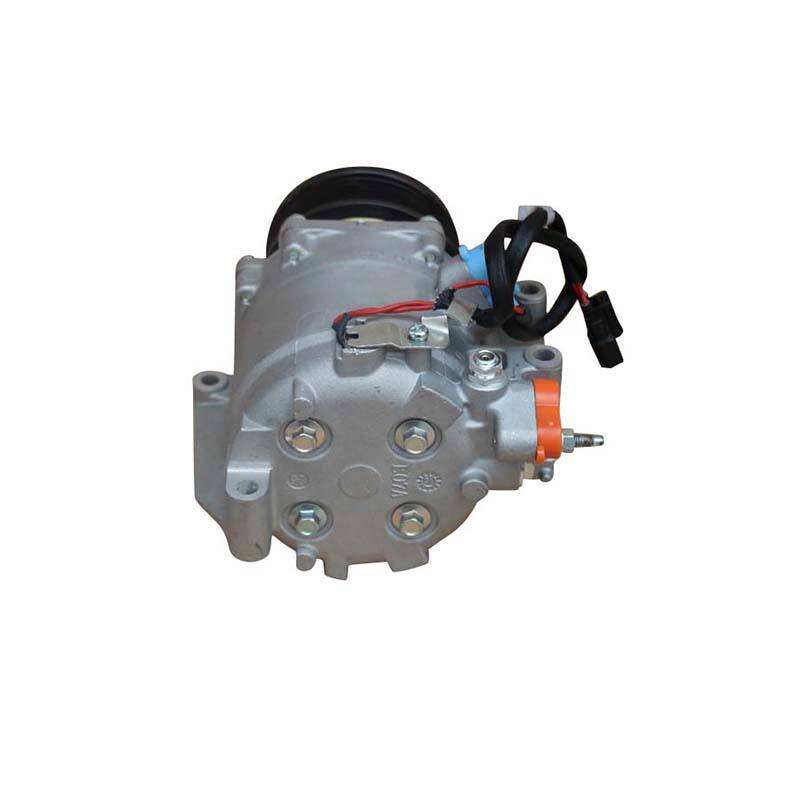
Supply Chain Reliability and Authentication
Secure Supply Chain Management
OEM engine components come with the assurance of a secure and traceable supply chain. This transparency is particularly valuable for B2B buyers who need to maintain quality documentation and compliance records. The authorized distribution channels for OEM parts provide confidence in component authenticity and help prevent the introduction of counterfeit or substandard parts into critical systems.
The established supply chain for OEM engine components typically includes inventory management systems and forecasting capabilities that help ensure part availability when needed. This reliability in the supply chain reduces the risk of extended equipment downtime due to parts shortages or delivery delays.
Authentication and Traceability
Each OEM engine component comes with unique identification and authentication features that enable tracking throughout its lifecycle. This traceability is invaluable for quality control, warranty claims, and regulatory compliance. The ability to verify component authenticity helps protect against counterfeit parts that could compromise equipment performance and safety.
The documentation and certification that accompany OEM engine components provide important records for maintenance history, compliance audits, and asset management. This documentation can be particularly valuable when equipment is being serviced, sold, or evaluated for insurance purposes.
Frequently Asked Questions
How do OEM engine components impact equipment resale value?
Equipment maintained with OEM engine components typically commands higher resale values due to documented maintenance history, preserved warranty status, and buyer confidence in the equipment's condition. The use of original components demonstrates a commitment to quality maintenance that potential buyers value highly.
What makes OEM engine components more reliable than aftermarket alternatives?
OEM engine components are manufactured to exact specifications using original designs, materials, and quality control processes. This ensures perfect fit, proper function, and consistent performance that aftermarket parts may not achieve due to variations in manufacturing standards and materials.
Are OEM engine components worth the higher initial investment?
The higher initial cost of OEM engine components is typically offset by their longer service life, reduced maintenance requirements, and lower risk of premature failure. When considering total cost of ownership, including maintenance, downtime, and replacement frequency, OEM components often prove more economical in the long run.