 EN
EN
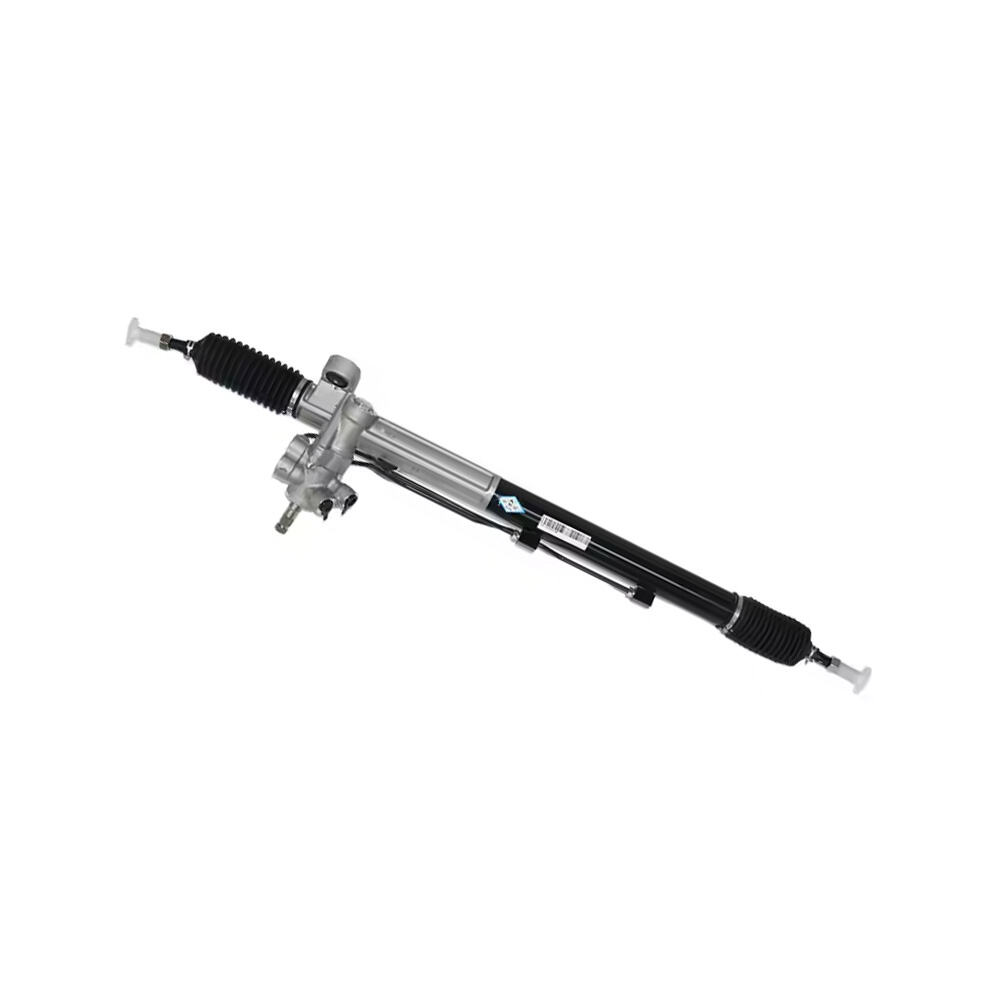
The durability of steering gear systems directly impacts vehicle safety, performance, and maintenance costs, making it a critical consideration for automotive engineers and vehicle owners alike. Multiple interconnected factors influence how long a steering gear system will perform reliably, from the quality of materials used in manufacturing to the environmental conditions the system faces throughout its operational life. Understanding these durability factors enables better decision-making in both system selection and maintenance practices.
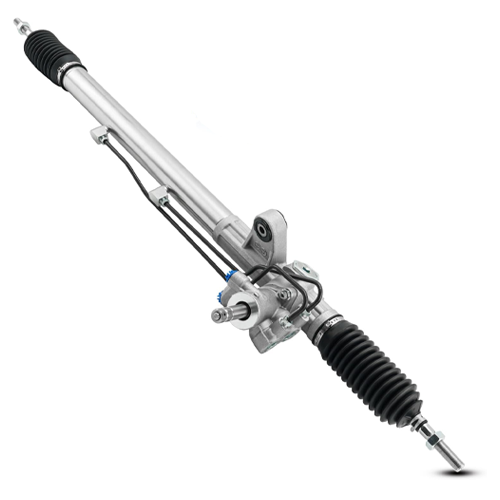
When examining steering gear durability, several primary categories of influence emerge, including material composition, manufacturing precision, operational stress factors, maintenance protocols, and environmental exposure conditions. Each of these categories contains specific variables that can significantly extend or reduce the functional lifespan of steering gear components. Modern automotive applications demand steering systems that can withstand hundreds of thousands of operational cycles while maintaining precise control characteristics and structural integrity.
Material Quality and Construction Standards
Steel Grades and Alloy Selection
The foundation of steering gear durability lies in the metallurgical properties of the materials used in critical components. High-quality steel alloys with appropriate carbon content and heat treatment provide the necessary strength, wear resistance, and fatigue tolerance required for long-term operation. The steering gear housing typically utilizes cast iron or aluminum alloys that must resist deformation under hydraulic pressures while maintaining dimensional stability across temperature variations.
Gear teeth within the steering mechanism require specialized steel grades that can withstand repeated contact stress without pitting, scoring, or excessive wear. Advanced steering gear systems often incorporate case-hardened surfaces that provide exceptional durability while maintaining core toughness. The selection of appropriate material grades directly correlates with the system's ability to maintain precise steering response throughout its service life.
Premium steering gear manufacturers invest in sophisticated material testing and quality control processes to ensure consistency in alloy composition and heat treatment results. These practices significantly influence the long-term durability characteristics of the finished steering gear system, particularly under demanding operational conditions.
Precision Manufacturing Tolerances
Manufacturing precision plays a crucial role in determining steering gear longevity, as tight tolerances ensure proper component interaction and minimize wear-inducing stress concentrations. Machining accuracy in gear cutting operations directly affects the smoothness of steering operation and the rate of component wear over time. Modern CNC machining capabilities enable manufacturers to achieve the precise dimensions necessary for optimal steering gear performance.
Surface finish quality on mating components influences friction characteristics, wear patterns, and lubrication effectiveness within the steering gear system. Components with superior surface finishes experience reduced friction losses and exhibit extended service life compared to those with rougher machined surfaces. Quality control measures during manufacturing help identify potential durability issues before systems reach operational service.
Operational Stress and Loading Factors
Hydraulic System Pressure Management
The hydraulic pressure levels within power steering systems create significant stress on steering gear components, with higher pressures generally correlating with increased component wear rates. Proper pressure regulation through relief valves and flow control mechanisms helps protect steering gear internals from excessive stress while maintaining adequate assist levels. Systems operating consistently at maximum pressure ratings experience accelerated wear compared to those with well-managed pressure profiles.
Pressure spike management becomes particularly important during extreme steering maneuvers or when encountering road obstacles that create sudden loading changes. Steering gear systems with effective pressure dampening characteristics demonstrate superior durability under these challenging conditions.
The integration of modern electronic pressure control systems allows for more sophisticated management of hydraulic loads, potentially extending steering gear service life through optimized pressure delivery based on driving conditions and steering input requirements.
Thermal Cycling and Temperature Effects
Temperature variations create thermal stress cycles that can significantly impact steering gear durability through expansion and contraction effects on critical components. Extreme temperature conditions, whether from environmental exposure or internal heat generation, can accelerate material degradation and compromise sealing effectiveness. Steering gear systems operating in regions with wide temperature ranges face additional durability challenges compared to those in more stable climatic conditions.
Heat generation within the steering gear system occurs primarily through hydraulic fluid friction and mechanical component interaction. Effective heat dissipation through proper housing design and adequate fluid circulation helps maintain optimal operating temperatures and extends component life. Systems that operate consistently at elevated temperatures may experience accelerated seal degradation and fluid breakdown.
Cold weather operations present unique challenges for steering gear durability, as increased fluid viscosity can create higher operating pressures and reduced lubrication effectiveness. Modern steering gear designs incorporate features to minimize cold weather operational stress while maintaining responsive steering characteristics across the full temperature range.
Maintenance and Service Practices
Fluid Quality and Change Intervals
The condition of hydraulic fluid within steering gear systems directly influences component durability through its lubricating, cooling, and protective properties. Fresh, high-quality steering fluid provides optimal lubrication characteristics and helps prevent corrosive damage to internal components. Contaminated or degraded fluid can act as an abrasive medium that accelerates wear and compromises sealing effectiveness.
Regular fluid analysis can reveal early indicators of component wear or system contamination, enabling proactive maintenance actions that extend overall steering gear life. Proper fluid change intervals based on manufacturer recommendations and operating conditions help maintain optimal system performance and prevent premature component failure.
The selection of appropriate fluid specifications for specific steering gear designs ensures compatibility with sealing materials and optimal viscosity characteristics across operating temperature ranges. Using incorrect fluid types can lead to seal swelling, reduced lubrication effectiveness, and accelerated component degradation.
System Cleanliness and Contamination Control
Contamination control measures significantly influence steering gear durability by preventing abrasive particles and corrosive substances from entering the hydraulic system. Effective filtration systems remove harmful contaminants while maintaining proper fluid flow characteristics. Regular filter replacement according to service schedules helps ensure continued protection of steering gear internals.
Proper installation procedures and system flushing practices help prevent contamination introduction during service operations. Clean assembly environments and appropriate handling procedures for steering gear components minimize the risk of contamination-related durability issues. System bleeding procedures must be followed carefully to remove air that can cause cavitation damage to steering gear components.
Environmental and Operational Conditions
Road Conditions and Driving Patterns
The driving environment significantly impacts steering gear durability through the types and frequencies of loading cycles experienced during normal operation. Vehicles operating primarily on smooth highway surfaces typically experience less steering gear stress compared to those frequently driven on rough terrain or in stop-and-go city traffic. Construction and off-road applications place particularly high demands on steering gear systems through increased shock loading and dust exposure.
Parking maneuvers and low-speed steering operations create high-pressure conditions within the steering gear system due to maximum hydraulic assist requirements. Frequent execution of these maneuvers can accelerate component wear, particularly in commercial vehicles or applications with high duty cycles. Understanding operational patterns helps in selecting steering gear systems with appropriate durability ratings for specific applications.
The frequency and severity of steering inputs directly correlate with component fatigue accumulation over time. Applications requiring constant steering adjustments experience higher wear rates compared to those with relatively straight-line operation. Modern steering gear designs incorporate fatigue-resistant features to address these operational demands.
Corrosion Protection and Environmental Sealing
Environmental protection measures play a crucial role in steering gear durability, particularly regarding corrosion resistance and contamination exclusion. Effective sealing systems prevent moisture, dirt, and road salt from entering critical steering gear components while maintaining proper lubrication retention. The quality of environmental seals directly impacts the long-term durability of steering gear systems in harsh operating conditions.
Corrosion protection treatments on steering gear housings and external components help resist degradation from road chemicals and environmental exposure. Regular inspection of protective coatings and sealing systems enables early detection of potential durability issues before they result in component failure.
Climate considerations, including humidity levels, temperature extremes, and chemical exposure from road treatment materials, influence the selection of appropriate corrosion protection strategies. Steering gear systems designed for specific environmental conditions demonstrate superior durability compared to generic designs used outside their intended operational envelope.
FAQ
What is the typical service life expectation for modern steering gear systems?
Modern steering gear systems typically provide reliable service for 100,000 to 200,000 miles under normal operating conditions, with some high-quality systems exceeding 300,000 miles when properly maintained. The actual service life depends heavily on the factors discussed above, including material quality, maintenance practices, and operational conditions. Commercial and heavy-duty applications may experience shorter service intervals due to increased duty cycles and operational stress.
How does driving style affect steering gear durability?
Aggressive driving styles that include frequent hard steering, high-speed cornering, and excessive parking maneuvers can reduce steering gear life by 30-50% compared to normal driving patterns. Smooth, gradual steering inputs and avoiding steering while stationary help maximize component durability. City driving with frequent parking typically creates more wear than highway driving due to increased low-speed, high-pressure steering operations.
Can steering gear durability be improved through aftermarket modifications?
While some aftermarket enhancements like improved fluid cooling systems or upgraded hydraulic filters can benefit steering gear durability, major modifications should be approached carefully to avoid compromising system reliability. Using higher-quality steering fluids and implementing more frequent service intervals often provides better durability improvements than mechanical modifications. Any modifications should maintain compatibility with the original steering gear design specifications.
What early warning signs indicate potential steering gear durability issues?
Early indicators of steering gear durability problems include increased steering effort, fluid leakage, unusual noises during steering operation, and irregular steering response characteristics. Changes in steering wheel return behavior or the presence of vibration through the steering system may also signal developing issues. Regular inspection of fluid levels, system pressures, and component condition helps identify potential problems before they result in complete system failure.