
 EN
EN
Ang mga automotive workshop ay nakararanas ng paulit-ulit na hamon sa pagpapanatili ng kaligtasan at pagganap ng mga sasakyan. Kabilang sa mga pinakamahalagang bahagi na nangangailangan ng atensyon ang mga sistema ng ilaw, lalo na sa pagpapalit ng headlight assembly. Alamin ng mga propesyonal na technician na ang tamang pag-iilaw ay direktang nakakaapekto sa visibility ng driver, kaligtasan sa kalsada, at pagsunod sa mga alituntunin sa transportasyon. Ang mga modernong sasakyan ay gumagamit ng sopistikadong headlight assembly na nagbubuklod ng maraming tungkulin tulad ng low beam, high beam, turn signals, at daytime running lights sa isang integrated unit na nangangailangan ng eksaktong pag-install at pag-align.
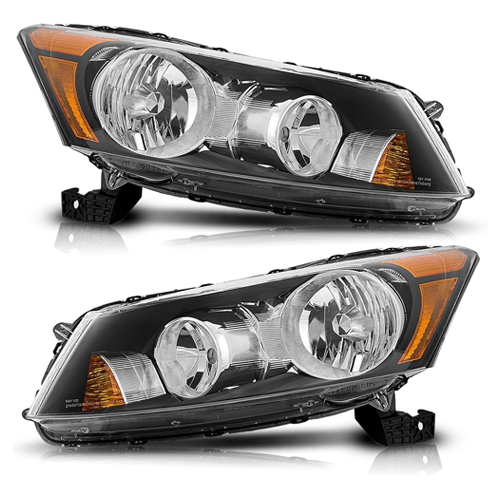
Ang industriya ng pagre-repair ng sasakyan ay nakakita ng malaking ebolusyon sa teknolohiya ng pag-iilaw sa mga nakalipas na dekada. Ang tradisyonal na sealed beam headlights ay napalitan na ng mga kumplikadong assembly na may projector lenses, LED elements, at adaptive lighting systems. Ang ganitong teknolohikal na unlad ay nagbibigay parehong mga oportunidad at hamon sa mga propesyonal sa workshop na kailangang manatiling updated sa mga prosedura ng pag-install at mga teknik ng pagsusuri. Ang pag-unawa sa mga kumplikadong detalye ng mga modernong headlight system ay nagpapahintulot sa mga workshop na magbigay ng mas mataas na antas ng serbisyo habang itinatayo ang tiwala at katapatan ng mga customer.
Ang kahusayan ng workshop ay lubhang nakadepende sa pagpili ng angkop na mga sangkap na kapalit na natutugunan ang parehong kalidad at isinusulong na pagsasaalang-alang sa gastos. Dapat suriin ng mga teknisyan ang mga salik tulad ng katumpakan ng beam pattern, tibay ng housing, kaliwanagan ng lens, at kompatibilidad sa kuryente kapag isinasagawa ang proseso ng pagpapalit ng headlight assembly. Ang pagpili ng mga sangkap ay direktang nakaaapekto sa tagal ng repair, kasiyahan ng kostumer, at reputasyon ng workshop sa lokal na automotive service market.
Mahahalagang Katangian ng Mga Mataas na Kalidad na Headlight Assembly
Konstruksyon ng Housing at Mga Pamantayan sa Materyales
Ang mga de-kalidad na headlight assembly ay nagtatampok ng matibay na konstruksyon ng housing na idinisenyo upang mapaglabanan ang mga stress sa kapaligiran kabilang ang mga pagbabago-bago ng temperatura, pagkakalantad sa kahalumigmigan, at epekto ng mga debris sa kalsada. Ang mga premium na housing ay gumagamit ng mga de-kalidad na polycarbonate o composite na materyales na lumalaban sa pagbibitak, pagkupas, at pagdilaw sa mahabang panahon ng serbisyo. Ang disenyo ng housing ay dapat tumanggap ng wastong pagwawaldas ng init mula sa mga elemento ng bumbilya habang pinapanatili ang integridad ng istruktura sa ilalim ng iba't ibang mga kondisyon ng pagpapatakbo.
Ang kahusayan sa paggawa ay may mahalagang papel sa kalidad ng kahon, lalo na sa mga punto ng pag-mount, mga mekanismo ng pag-aadjust, at mga ibabaw na nangangalaga sa kahon. Ang mga pangkat na para sa propesyonal ay may mga pinalakas na tab na ginagamit sa pag-mount upang maiwasan ang pagbend o pag-flex habang inilalagay at mapanatili ang secure na pagkakabit sa istruktura ng sasakyan. Ang tamang pag-seal ay nagpipigil sa pagpasok ng kahalumigan na maaaring magdulot ng panloob na pag-umbok (fogging), corrosion, at maagang pagkabigo ng mga bahagi—na kailangan ng paulit-ulit na pagpapalit ng buong pangkat ng pangunahing ilaw.
Optikal na Pagganap at Katiyakan ng Disenyo ng Singsing ng Liwanag
Ang optikal na pagganap ay kumakatawan sa pangunahing layunin ng anumang sistema ng headlight, kaya ang katiyakan ng disenyo ng singsing ng liwanag ay mahalaga para sa ligtas na pagpapatakbo ng sasakyan. Ang mga de-kalidad na assembly ay gumagamit ng mga reflector surface o projector optics na may maingat na inhinyeriya upang i-direct ang output ng liwanag ayon sa mga pambansang pamantayan sa kaligtasan ng sasakyan. Dapat magbigay ang disenyo ng singsing ng liwanag ng sapat na pag-iilaw sa daan habang pinipigilan ang sobrang liwanag (glare) na maaaring makasagabal sa mga nagmamaneho o pedestrian na papalapit.
Dapat suriin ng mga teknisyan sa workshop ang pagkakasunod-sunod sa disenyo ng singsing ng liwanag gamit ang tamang proseso ng pag-aayos matapos palitan ang headlight assembly. Kasama sa mga de-kalidad na assembly ang malinaw na naitatakda na mga reference point para sa pag-adjust at panatilihin ang pare-parehong optikal na pagganap sa buong tagal ng kanilang serbisyo. Maaaring magpakita ang mga mababang kalidad na assembly ng beam scatter, mga hot spot, o hindi sapat na pag-iilaw na nakakompromiso sa kaligtasan at maaaring magresulta sa pagkabigo sa inspeksyon.
Mga Konsiderasyon sa Instalasyon para sa mga Propesyonal sa Workshop
Paghahanda at mga Protokol sa Kaligtasan
Ang matagumpay na pagpapalit ng pagkakabit ng headlight ay nagsisimula sa tamang paghahanda at pagsunod sa mga protokol sa kaligtasan. Dapat i-disconnect ng mga teknisyano sa workshop ang kapangyarihan ng baterya upang maiwasan ang mga panganib sa kuryente at protektahan ang mga sensitibong electronic component mula sa mga spike ng voltage habang isinasagawa ang pag-install. Ang lugar ng trabaho ay dapat mabuti ang ilaw at kagamitan ng angkop na mga kasangkapan, kabilang ang mga socket set, mga kasangkapan para sa pag-alis ng trim, at mga kagamitan para sa alignment na kinakailangan para sa tumpak na pag-install.
Ang paghahanda ng sasakyan ay kasama ang maingat na pag-alis ng mga komponente sa paligid na maaaring maghadlang sa pag-access sa mga mounting hardware. Ang ilang mga pag-install ay nangangailangan ng pag-alis ng mga bumper cover, grille, o mga komponente ng air intake upang makakuha ng sapat na espasyo para sa trabaho. Dapat dokumentuhin ng mga teknisyano ang pagkakasunod-sunod ng pag-alis ng mga komponente at panatilihin ang maayos na organisasyon ng mga fastener upang matiyak ang epektibong reassembly at maiwasan ang mga isyu dulot ng nawawalang hardware.
Mga Pamamaraan sa Alignment at Adjustment
Ang tamang pag-aayos ay kumakatawan sa isang mahalagang aspeto ng propesyonal na pagpapalit ng pangunahing pagsasara ng headlights na direktang nakaaapekto sa kaligtasan at pagsunod sa regulasyon. Ang mga teknisyan sa workshop ay dapat gumamit ng angkop na kagamitan para sa pag-aayos, kabilang ang mga headlight aimer o mga wall chart, upang patunayan ang posisyon ng beam pattern ayon sa mga tukoy na pamantayan ng tagagawa. Ang proseso ng pag-aadjust ay nangangailangan ng tiyak na manipulasyon ng mga vertical at horizontal aim screws habang sinusubaybayan ang mga beam cutoff lines at intensity distribution.
Ang mga workshop na may mataas na kalidad ay nagpapanatili ng nakakalibrang kagamitan para sa pag-aayos at itinatag ang mga standardisadong prosedura para sa pare-parehong resulta sa iba't ibang modelo ng sasakyan. Dapat isaalang-alang ng proseso ng pag-aayos ang mga kondisyon ng pagkarga ng sasakyan, presyon ng gulong, at mga setting ng suspension na nakaaapekto sa posisyon ng mga headlights na nauugnay sa ibabaw ng kalsada. Ang dokumentasyon ng mga setting ng pag-aayos ay nagbibigay ng mahalagang impormasyong sanggunian para sa mga susunod na pangangailangan sa serbisyo at mga konsiderasyon sa warranty.
Pamamahala sa Kalidad at mga Pamantayan sa Pagsubok
Pagpapatunay sa Sistema ng Kuryente
Ang komprehensibong pagpapatunay sa elektrikal na sistema ay nagpapaguarante ng tamang pagganap ng lahat ng mga elemento ng ilaw sa pinalit na assembly. Ang mga teknisyan sa workshop ay kailangang subukan ang mga function ng mababang beam, mataas na beam, turn signal, at parking light gamit ang angkop na kagamitan para sa diagnosis. Ang mga pagsukat ng voltage sa mga punto ng konektor ay nagsisiguro ng sapat na suplay ng kuryente at tamang mga koneksyon sa ground upang maiwasan ang maagang pagkabigo ng bombilya o mga problema sa intermitenteng operasyon.
Ang mga modernong sasakyan ay mayroong mga kumplikadong module ng kontrol sa ilaw na nangangailangan ng tamang initialization matapos palitan ang headlight assembly. Ang ilang mga sistema ay gumagamit ng mga tampok ng adaptive lighting, awtomatikong leveling, o integrasyon ng daytime running light na nangangailangan ng mga tiyak na prosedura sa pag-activate. Dapat konsultahin ng mga teknisyan ang impormasyon sa serbisyo ng tagagawa upang matiyak ang buong pagganap ng sistema at maiwasan ang mga diagnostic trouble code o ang pagliyab ng mga babala.
Pagpapatunay ng Pagganap at Edukasyon sa Customer
Ang pagpapatunay sa pagganap matapos ang pag-install ay nagpapatibay na ang pagpapalit ng headlight assembly ay sumusunod sa mga kinakailangan sa kaligtasan at inaasahan ng kliyente. Dapat mag-conduct ang mga technician sa workshop ng road test sa iba't ibang kondisyon ng liwanag upang i-verify ang tamang beam pattern, antas ng ningning, at pag-andar ng switching. Ang dokumentasyon ng pagpapatunay sa pagganap ay nagbibigay tiwala sa mga kliyente tungkol sa kalidad ng repair at nagtatatag ng baseline na impormasyon para sa hinaharap.
Ang edukasyon sa kliyente tungkol sa tamang paraan ng maintenance ay nagpapahaba sa serbisyo ng bahagi at nababawasan ang pangangailangan ng maagang pagpapalit. Dapat payuhan ng mga workshop ang mga kliyente tungkol sa tamang paraan ng paglilinis ng lens, palitan ng bulb, at mga senyales ng posibleng pagkasira ng assembly. Ang mga proaktibong rekomendasyon sa maintenance ay nagpapakita ng propesyonal na kadalubhasaan habang binubuo ang matagalang ugnayan sa kliyente na nakakabenepisyo sa kita at reputasyon ng workshop.
Mga Isinasaalang-alang sa Merkado at Pagpili ng Bahagi
OEM Kumpara sa Mga Pagpipilian sa Aftermarket
Ang mga propesyonal sa workshop ay kailangang mag-navigate sa kumplikadong larangan ng mga bahagi mula sa OEM laban sa mga aftermarket kapag pumipili ng mga panghalili na assembly. Ang mga bahagi mula sa original equipment manufacturer (OEM) ay karaniwang nag-aalok ng garantisadong pagkakasya, pagkakatapos, at mga katangian ng pagganap na sumasalamin sa mga teknikal na tukoy ng disenyo ng sasakyan. Gayunpaman, ang mga konsiderasyon sa gastos at mga limitasyon sa availability ay maaaring pabor sa mataas na kalidad na mga alternatibong aftermarket na nagbibigay ng katumbas na kakayahan sa mas mababang presyo.
Ang mga opsyon para sa kapalit na aftermarket headlight assembly ay may malaking pagkakaiba sa antas ng kalidad, kaya kailangan ng maingat na pagsusuri sa mga pamantayan sa paggawa, saklaw ng warranty, at mga teknikal na tukoy sa pagganap. Ang mga premium na aftermarket supplier ay madalas na nagsasama ng mga pagpapabuti sa disenyo o mga dagdag na tampok na lumalampas sa mga kakayahan ng orihinal na kagamitan. Dapat itatag ng mga teknisyan sa workshop ang mga ugnayan sa mga mapagkakatiwalaang supplier na nagbibigay ng suportang teknikal at sumusuporta sa kalidad ng produkto sa pamamagitan ng komprehensibong mga programa ng warranty.
Pagsusuri ng Gastos at Benepisyo para sa Operasyon ng Workshop
Ang epektibong pagsusuri ng gastos at benepisyo ay isinasaalang-alang ang maraming salik na lampas sa paunang presyo ng bahagi kapag binibigyang-pansin ang mga opsyon sa pagpapalit ng headlight assembly. Ang kahusayan sa trabaho, exposure sa warranty, kasiyahan ng customer, at potensyal na paulit-ulit na negosyo ay nakakaapekto sa kabuuang halaga ng iba't ibang pagpipilian ng bahagi. Dapat balansehin ng mga workshop ang mapagkumpitensyang presyo at mga pamantayan sa kalidad upang maprotektahan ang kanilang propesyonal na reputasyon at maiwasan ang mga problema sa pagbabalik.
Ang mga estratehiya sa pamamahala ng imbentaryo ay dapat isama ang mga sikat na modelo ng sasakyan, mga muson na pattern ng demand, at mga pagsasaalang-alang sa shelf life ng bahagi. Ang pananatili ng angkop na antas ng stock ng karaniwang headlight assembly replacement mga yunit ay nagpapababa sa oras ng paghihintay ng customer at nagpapabuti sa kahusayan ng workshop. Gayunpaman, ang labis na imbentaryo ay nakakabit sa kapital at maaaring magdulot ng gastos dahil sa pagka-obsolete ng mga bahaging hindi madaling maibenta.
Integrasyon ng Teknolohiya at Mga Paparating na Tren
LED at Advanced Lighting Systems
Patuloy na lumilipat ang industriya ng automotive patungo sa LED at mga advanced na teknolohiya sa pag-iilaw na nag-aalok ng mas mahusay na kahusayan, haba ng buhay, at mga katangian ng pagganap. Dapat maintindihan ng mga propesyonal sa workshop ang mga natatanging pangangailangan ng pagpapalit ng LED headlight assembly kabilang ang thermal management, electronic driver circuits, at compatibility sa umiiral na electrical system ng sasakyan. Karaniwang nangangailangan ang mga LED assembly ng iba't ibang pamamaraan sa pag-install at mga diskarte sa pagsusuri kumpara sa tradisyonal na halogen system.
Ang mga advanced na tampok tulad ng adaptive headlights, matrix LED systems, at integrated camera modules ay nagdudulot ng mga bagong hamon para sa mga technician sa workshop. Madalas, ang mga sopistikadong sistema na ito ay nangangailangan ng specialized diagnostic equipment, mga pamamaraan sa kalibrasyon, at software updates matapos palitan ang headlight assembly. Ang mga workshop na mamumuhunan sa angkop na pagsasanay at kagamitan ay magpo-position sa kanilang sarili para sa tagumpay sa patuloy na pagbabagong automotive service market.
Mga Kailangan sa Diagnostiko na Kagamitan at Pagsasanay
Ang mga modernong sistema ng parola ay malapit na nakakabit sa mga network ng komunikasyon ng sasakyan, na nangangailangan ng mga advanced na kakayahan sa diagnostiko para sa epektibong pag-aalis ng problema at pagkumpuni. Dapat gamitin ng mga teknisyan sa workshop ang mga scan tool na may kakayahang ma-access ang mga module ng kontrol sa ilaw, basahin ang mga diagnostic trouble code, at isagawa ang mga prosedurang pagsisimula ng sistema. Ang kahihirapan ng mga modernong sistema ng liwanag ay nangangailangan ng patuloy na pagsasanay at pag-update ng kagamitan upang mapanatili ang mga kakayahan sa serbisyo.
Ang mga oportunidad para sa propesyonal na pag-unlad sa pamamagitan ng mga programa ng pagsasanay ng tagagawa, mga samahan sa industriya, at mga paaralang teknikal ay tumutulong sa mga workshop na manatiling updated sa mga umuunlad na teknolohiya. Ang pamumuhunan sa edukasyon ng mga technician at kagamitang pang-diagnose ay direktang nakaaapekto sa kalidad, kahusayan, at kita sa mapagkumpitensyang merkado ng pagmamaneho. Ang mga workshop na binibigyang-priyoridad ang patuloy na pag-aaral ay nagpapakita ng dedikasyon sa kahusayan at nagtatag ng tiwala ng customer sa kanilang mga kakayahang teknikal.
Mga madalas itanong
Gaano kadalas dapat palitan ang mga headlight assembly sa karaniwang mga setting ng workshop
Ang dalas ng pagpapalit ng pangkat ng headlight ay nag-iiba nang malaki batay sa edad ng sasakyan, mga kondisyon sa kapaligiran, at kalidad ng mga bahagi. Ang karamihan sa mga pangkat ay nagbibigay ng maaasahang serbisyo sa loob ng 7–10 taon sa ilalim ng normal na kondisyon ng operasyon. Gayunman, ang ilang kadahilanan tulad ng pagkakalantad sa UV, asin sa daan, pag-impact ng mga debris, at mga depekto sa paggawa ay maaaring mangailangan ng mas maagang pagpapalit. Dapat suriin ng mga teknisyano sa workshop ang kaliwanagan ng lens, integridad ng housing, at kalagayan ng mga mounting point sa panahon ng regular na inspeksyon upang matukoy ang mga pangkat na malapit nang matapos ang kanilang buhay na serbisyo.
Ano ang mga kagamitan at kagamitang mahalaga para sa propesyonal na pag-install ng headlight
Ang propesyonal na pagpapalit ng headlight assembly ay nangangailangan ng mga pangunahing hand tools kabilang ang socket sets, screwdrivers, at trim removal tools para sa maayos na access sa komponente. Ang mga espesyalisadong kagamitan tulad ng headlight aimers, digital multimeters, at scan tools ay nagbibigay-daan sa tamang pagkaka-align at pag-verify sa electrical connections. Maaaring kailanganin sa ilang pag-install ang mga lifting equipment, panel pullers, o heat guns para sa epektibong proseso ng pag-alis at pag-install ng komponente.
Paano masiguro ng mga workshop ang pare-parehong kalidad sa iba't ibang proyekto ng pagpapalit ng headlight
Ang pare-parehong kalidad ay nangangailangan ng mga standardisadong pamamaraan, regular na calibration ng kagamitan, at patuloy na pagsasanay sa mga technician. Dapat magtatag ang mga workshop ng nakasulat na protokol para sa pagpapalit ng headlight assembly kabilang ang mga hakbang sa paghahanda, pagkakasunod-sunod ng pag-install, at mga proseso sa pag-verify ng kalidad. Ang regular na pagsusuri at pag-update ng mga protokol na ito ay tinitiyak ang pagsasama ng pinakamahusay na kasanayan at mga update mula sa tagagawa habang pinapanatili ang pagkakapare-pareho ng serbisyo sa lahat ng proyekto.
Anong mga konsiderasyon sa warranty ang nalalapat sa pag-install ng aftermarket na headlight assembly
Ang coverage ng warranty para sa pagpapalit ng aftermarket na headlight assembly ay karaniwang kasama ang mga depekto ng bahagi ngunit maaaring hindi isama ang pinsala dulot ng hindi tamang pag-install o mga salik pangkalikasan. Dapat malinaw na ipaalam ng mga workshop ang mga tuntunin ng warranty sa mga customer at panatilihing maayos ang dokumentasyon ng mga pamamaraan sa pag-install. Ang ilang supplier ay nag-aalok ng extended warranty programs o teknikal na suporta na maaaring mapataas ang tiwala ng customer at bawasan ang liability exposure ng workshop sa mga isyu kaugnay ng bahagi.
Talaan ng mga Nilalaman
- Mahahalagang Katangian ng Mga Mataas na Kalidad na Headlight Assembly
- Mga Konsiderasyon sa Instalasyon para sa mga Propesyonal sa Workshop
- Pamamahala sa Kalidad at mga Pamantayan sa Pagsubok
- Mga Isinasaalang-alang sa Merkado at Pagpili ng Bahagi
- Integrasyon ng Teknolohiya at Mga Paparating na Tren
-
Mga madalas itanong
- Gaano kadalas dapat palitan ang mga headlight assembly sa karaniwang mga setting ng workshop
- Ano ang mga kagamitan at kagamitang mahalaga para sa propesyonal na pag-install ng headlight
- Paano masiguro ng mga workshop ang pare-parehong kalidad sa iba't ibang proyekto ng pagpapalit ng headlight
- Anong mga konsiderasyon sa warranty ang nalalapat sa pag-install ng aftermarket na headlight assembly