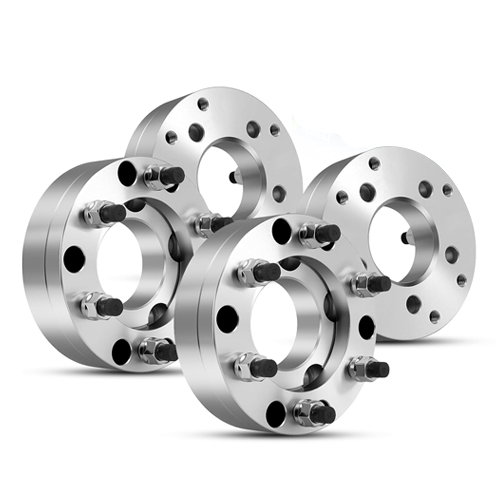
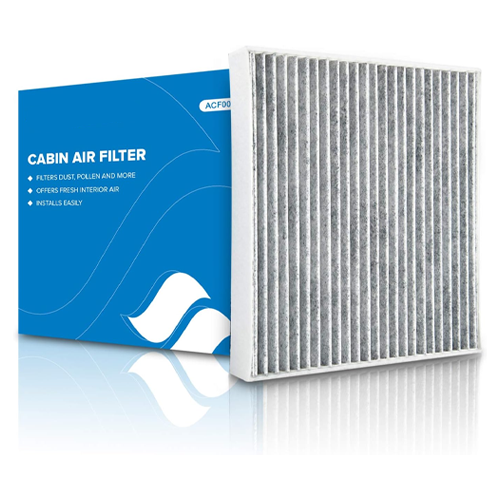
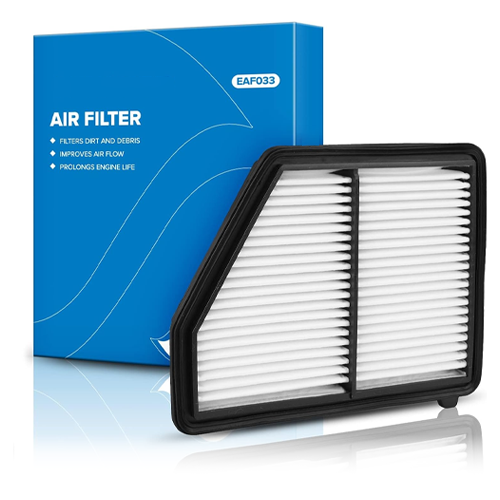
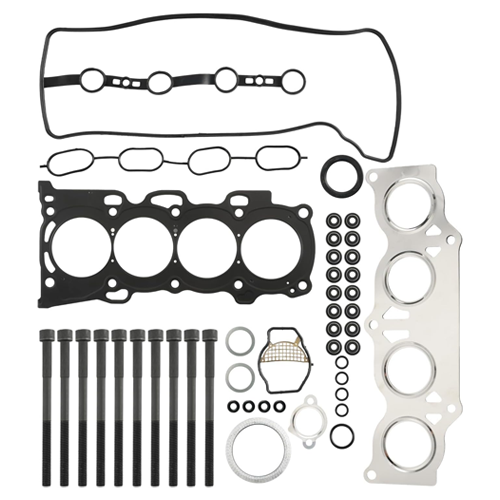
High Performance Engine Components and Machinery: Advanced Solutions for Modern Applications

All Categories

Get a Free Quote

Our representative will contact you soon.
Email
Name
Company Name
Message
0/1000

engine components & machine

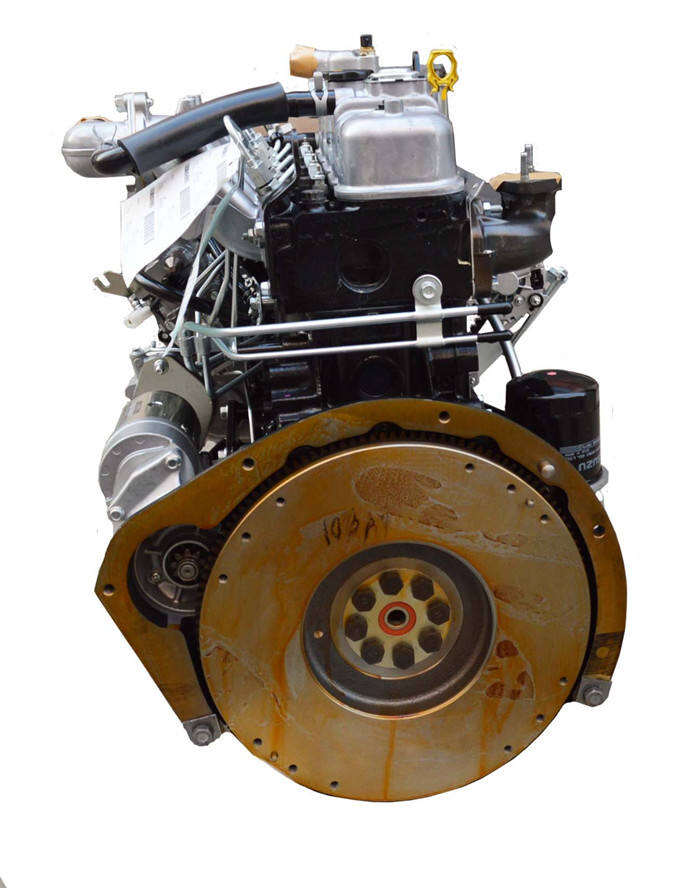
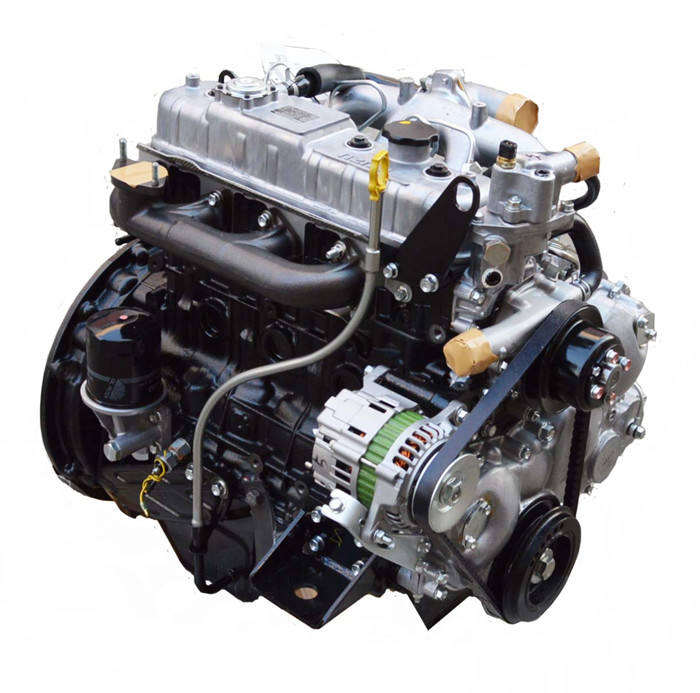
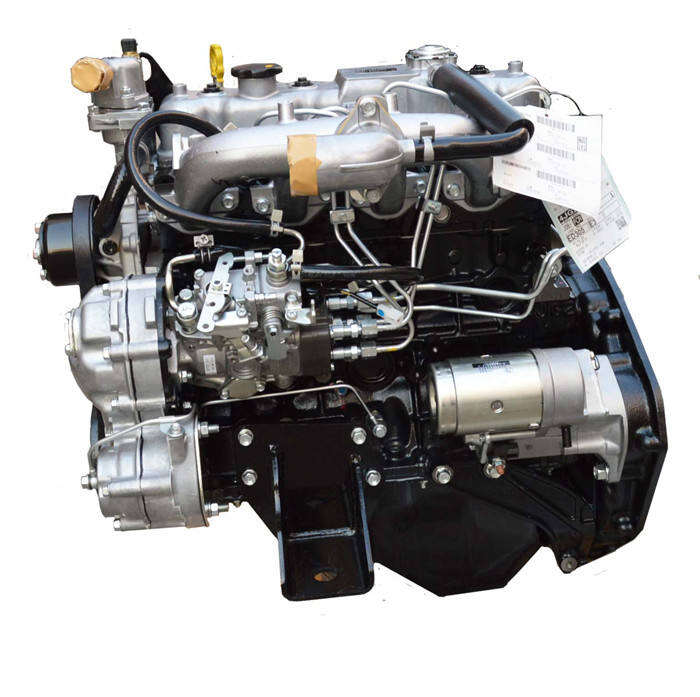
Engine components and machinery represent the fundamental building blocks of modern mechanical systems, encompassing a wide range of precision-engineered parts that work in harmony to deliver optimal performance. These essential elements include pistons, crankshafts, camshafts, valves, and various auxiliary systems that contribute to the efficient operation of both internal combustion and electric powertrains. Advanced manufacturing techniques ensure tight tolerances and superior material quality, resulting in components that offer enhanced durability and reliability. Modern engine components incorporate innovative design features such as variable valve timing, direct injection systems, and integrated thermal management solutions. These technological advancements enable improved fuel efficiency, reduced emissions, and enhanced power output across various applications. From automotive and aerospace to industrial machinery and power generation, these components are engineered to meet specific performance requirements while adhering to stringent quality standards. The integration of smart sensors and monitoring systems allows for real-time performance tracking and predictive maintenance capabilities, ensuring optimal operation throughout the component's lifecycle. Additionally, contemporary engine components often feature modular designs that facilitate easier maintenance and replacement, reducing downtime and operational costs.
Popular Products

Engine components and machinery offer numerous compelling advantages that make them indispensable in modern mechanical applications. The primary benefit lies in their precision engineering, which ensures consistent performance and reliability under various operating conditions. These components are designed with advanced materials and manufacturing processes that significantly extend their service life, reducing the frequency of replacements and associated maintenance costs. The implementation of smart monitoring systems provides real-time performance data, enabling proactive maintenance scheduling and preventing unexpected failures. Modern engine components also contribute to improved fuel efficiency through optimized designs and reduced friction losses, resulting in lower operating costs and environmental impact. The modular nature of contemporary components simplifies maintenance procedures and reduces downtime during repairs or replacements. Advanced surface treatments and coating technologies enhance wear resistance and protect against corrosion, ensuring longer component life even in challenging environments. The integration of variable timing and adaptive control systems allows for optimal performance across different operating conditions, maximizing efficiency and power output as needed. These components often incorporate built-in diagnostic capabilities that facilitate troubleshooting and maintenance planning, reducing the complexity of service procedures. Additionally, the standardization of component designs and interfaces ensures compatibility across different applications, simplifying inventory management and reducing spare parts costs.

Practical Tips

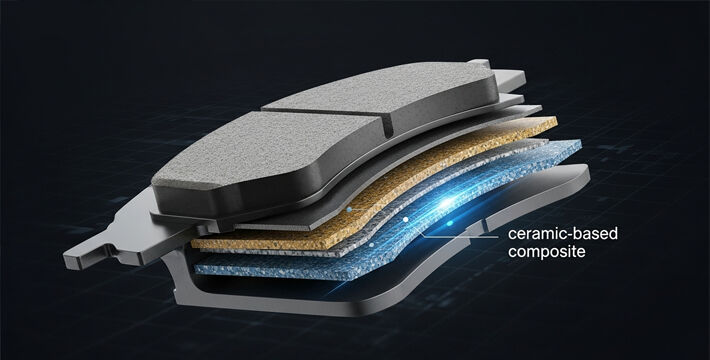
More Than Just Stopping: A Deep Dive into the Materials and Craftsmanship of SUOKE High-Performance Brake Pads

07

Jul

More Than Just Stopping: A Deep Dive into the Materials and Craftsmanship of SUOKE High-Performance Brake Pads

View More
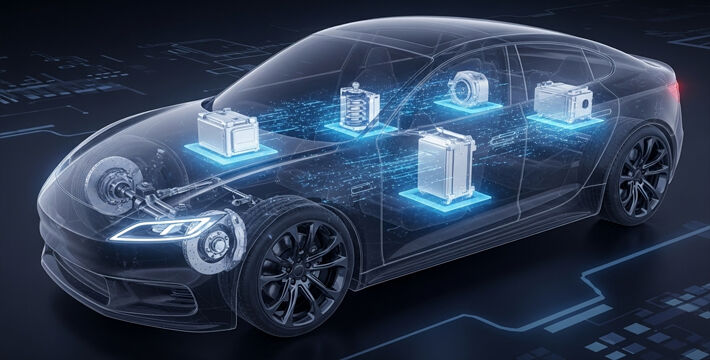
The Next Frontier in the NEV Aftermarket: Why High-Quality EV-Compatible Parts are Your Must-Win Territory

16

Jul

The Next Frontier in the NEV Aftermarket: Why High-Quality EV-Compatible Parts are Your Must-Win Territory

View More
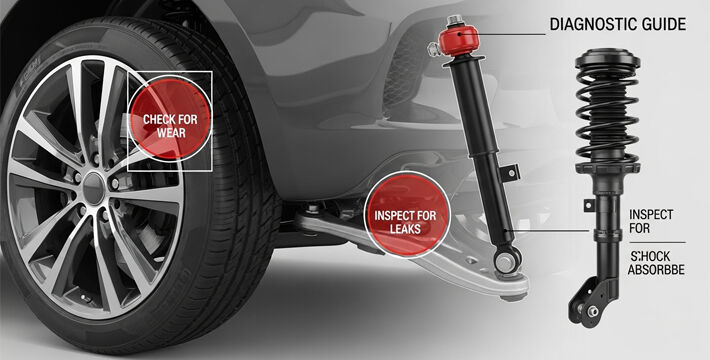
A Guide to Improving Customer Satisfaction: From Strange Noises to Steering Pull, How to Accurately Diagnose Suspension Problems and Select the Right Parts

07

Jul

A Guide to Improving Customer Satisfaction: From Strange Noises to Steering Pull, How to Accurately Diagnose Suspension Problems and Select the Right Parts

View More

Get a Free Quote

Our representative will contact you soon.
Email
Name
Company Name
Message
0/1000

engine components & machine

Advanced Materials and Manufacturing Technology

Advanced Materials and Manufacturing Technology

Modern engine components leverage cutting-edge materials science and manufacturing techniques to achieve unprecedented levels of performance and durability. High-strength alloys, composite materials, and advanced ceramics are precisely engineered to withstand extreme temperatures and pressures while maintaining dimensional stability. Computer-aided design and manufacturing processes ensure exceptional precision in component production, with tolerances measured in micrometers. Surface finishing techniques, including diamond-like carbon coatings and plasma nitriding, provide superior wear resistance and reduced friction. These technological advances result in components that not only perform better but also last significantly longer than their conventional counterparts.
Intelligent Monitoring and Control Systems

Intelligent Monitoring and Control Systems

Contemporary engine components incorporate sophisticated sensor networks and monitoring systems that provide continuous performance feedback and diagnostic information. These smart systems enable real-time tracking of critical parameters such as temperature, pressure, and wear patterns, allowing for predictive maintenance strategies. Advanced analytics algorithms process this data to identify potential issues before they become critical, preventing costly failures and unplanned downtime. The integration of adaptive control systems allows components to adjust their operation automatically in response to changing conditions, ensuring optimal performance and efficiency at all times.
Environmental Sustainability and Efficiency

Environmental Sustainability and Efficiency

Modern engine components are designed with a strong focus on environmental sustainability and operational efficiency. Advanced design features such as variable geometry turbochargers, direct injection systems, and electric actuators optimize fuel consumption and reduce emissions across all operating conditions. The use of lightweight materials and improved aerodynamic designs contributes to better overall system efficiency. These components often incorporate regenerative capabilities and energy recovery systems that capture and reuse otherwise wasted energy. The result is a significant reduction in environmental impact while maintaining or improving performance capabilities.

Get a Free Quote

Our representative will contact you soon.
Email
Name
Company Name
Message
0/1000