components of petrol engine
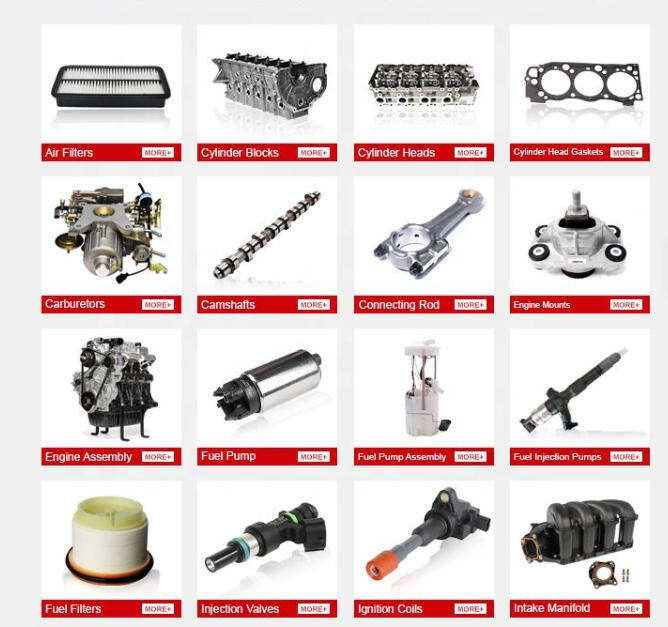
A petrol engine consists of several essential components working harmoniously to convert fuel into mechanical energy. The core components include the engine block, which serves as the main housing structure, containing cylinders where combustion occurs. The pistons, connected to the crankshaft via connecting rods, move up and down within these cylinders. The cylinder head, mounted atop the engine block, houses the valves, valve springs, and camshaft, controlling the intake of fuel-air mixture and exhaust gas release. The crankshaft transforms the pistons' reciprocating motion into rotary motion, while the flywheel maintains engine momentum and smooth operation. The fuel injection system precisely delivers fuel to the combustion chambers, while the ignition system, including spark plugs, initiates the combustion process. The cooling system, comprising the radiator, water pump, and coolant passages, prevents overheating. The lubrication system ensures all moving parts receive proper oil distribution, reducing friction and wear. These components work together in a four-stroke cycle: intake, compression, power, and exhaust, enabling efficient power generation for various applications, from personal vehicles to industrial machinery.

 EN
EN