High-Performance Gasoline Engine Parts: Advanced Engineering for Superior Performance and Reliability

All Categories

Get a Free Quote

Our representative will contact you soon.
Email
Name
Company Name
Message
0/1000

gasoline engine parts

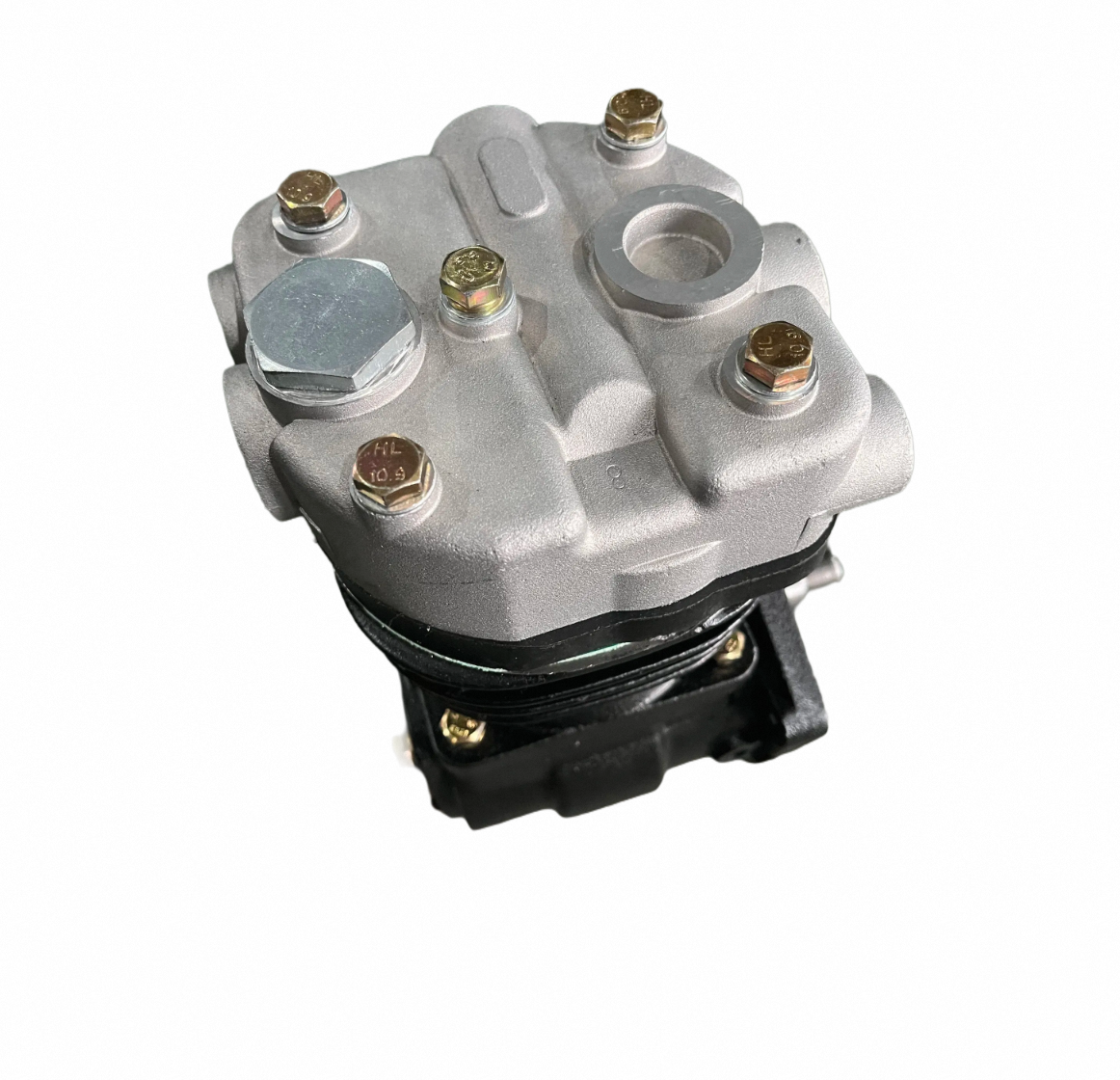
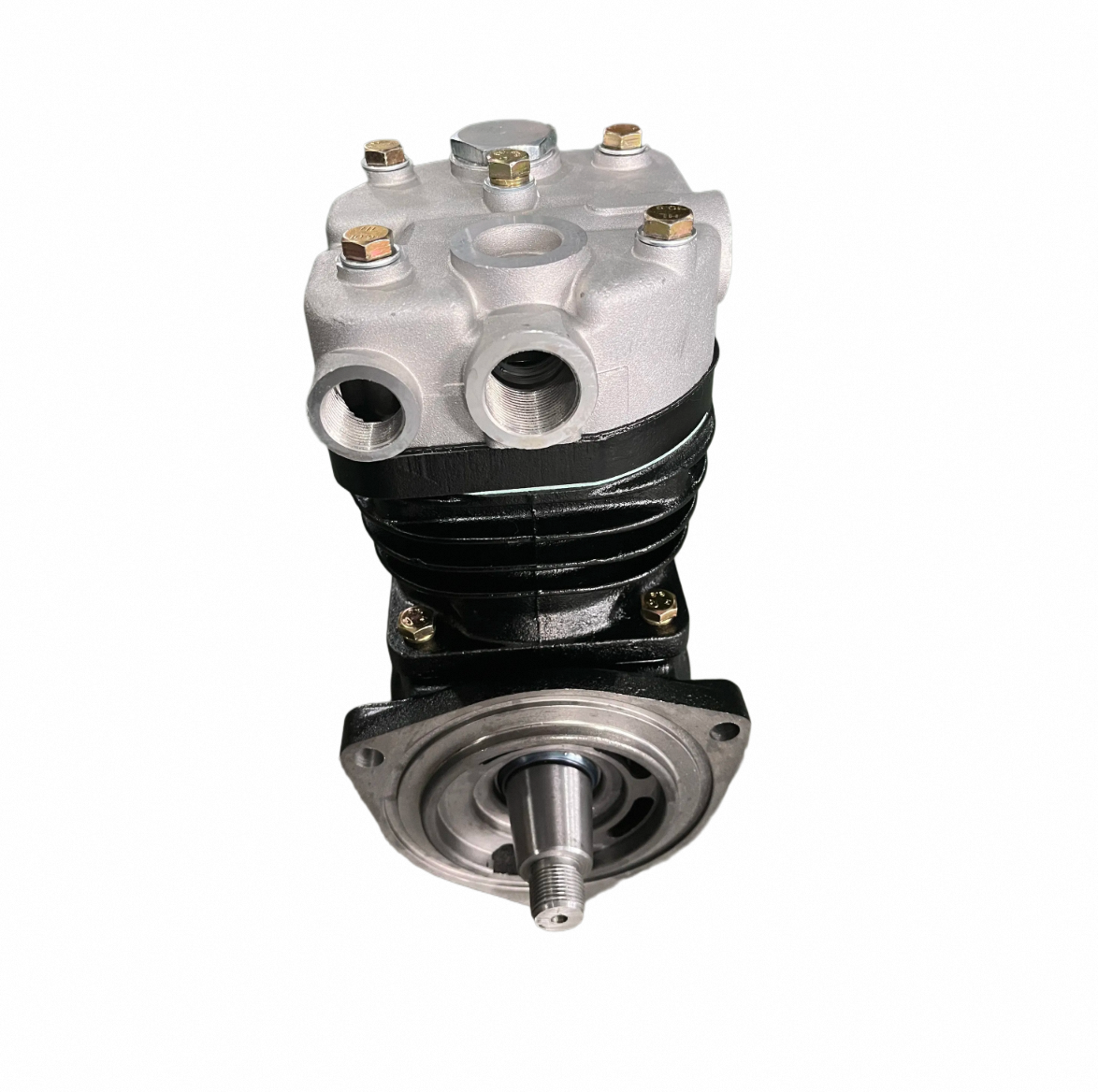
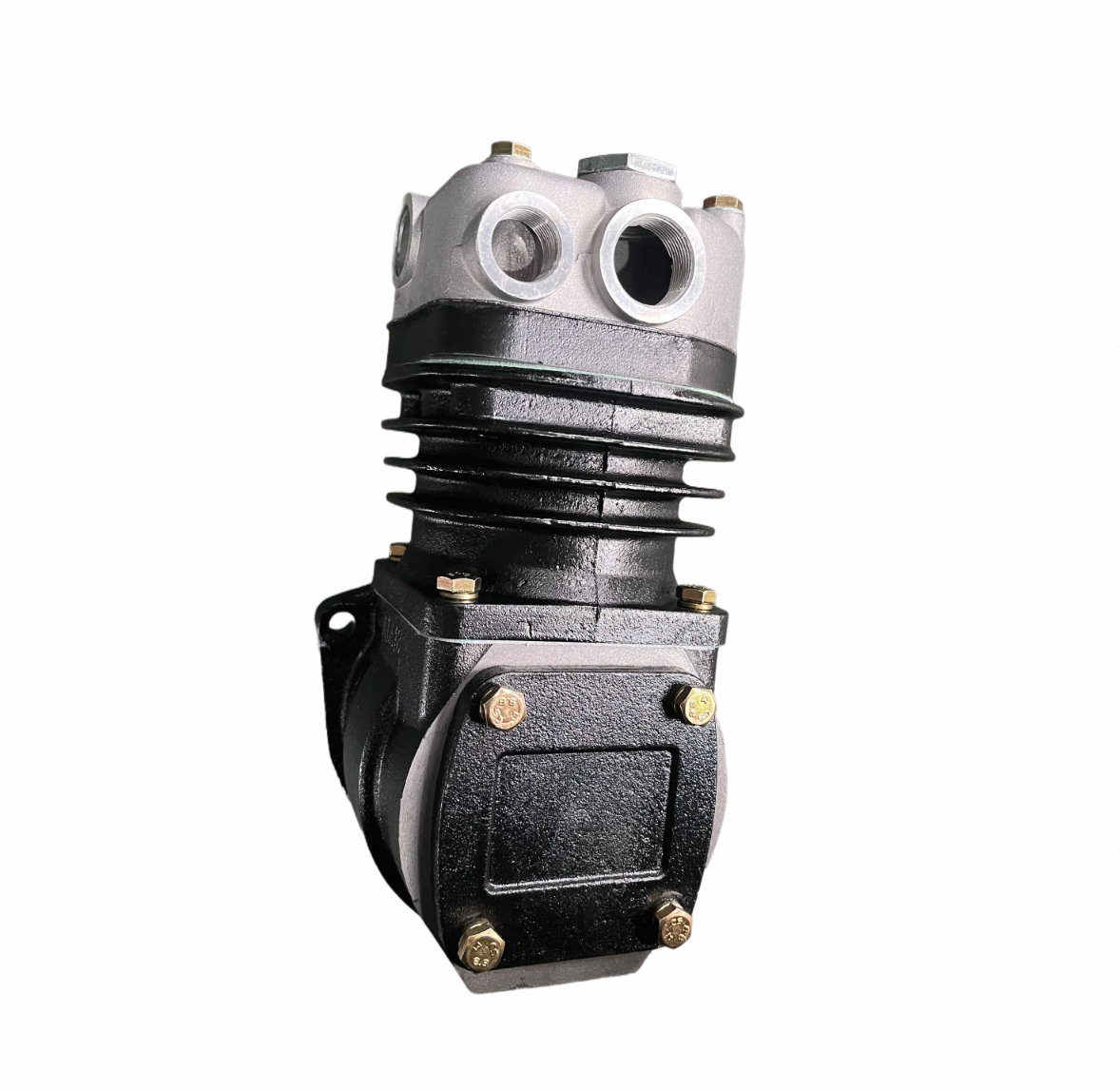
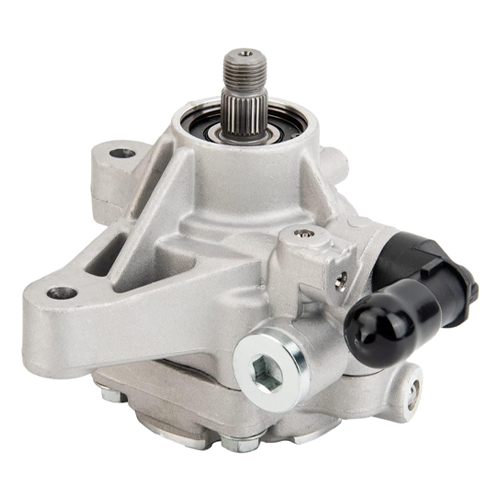
Gasoline engine parts form the core components of modern internal combustion engines, working in precise harmony to convert fuel into mechanical energy. The system comprises several critical elements, including the engine block, cylinders, pistons, crankshaft, and valvetrain. The engine block serves as the foundation, housing the cylinders where the combustion process occurs. Pistons move up and down within these cylinders, connected to the crankshaft via connecting rods, transforming linear motion into rotational force. The valvetrain, consisting of intake and exhaust valves, camshafts, and timing mechanisms, controls the flow of fuel mixture and exhaust gases. Fuel injection systems have evolved from traditional carburetors to sophisticated electronic systems, providing precise fuel delivery for optimal performance. The cooling system, including the radiator and water pump, maintains optimal operating temperatures, while the lubrication system ensures smooth operation of all moving parts. Advanced materials and engineering techniques have led to more efficient, durable, and environmentally friendly engine components, capable of delivering improved power output while meeting stringent emission standards.

New Product Recommendations

Gasoline engine parts offer numerous advantages that make them essential in modern transportation and machinery. Modern manufacturing techniques ensure exceptional durability, with components designed to withstand thousands of hours of operation under varying conditions. The standardization of parts across manufacturers facilitates easier maintenance and repairs, reducing ownership costs and downtime. Advanced materials like aluminum alloys and high-grade steel provide an optimal balance of strength and weight, contributing to better fuel efficiency. The precision engineering of these components results in improved performance metrics, including higher power output and better fuel economy. Contemporary gasoline engine parts incorporate sophisticated wear-resistant coatings and treatments, extending their operational lifespan significantly. The integration of electronic control systems allows for real-time adjustments to optimize performance based on driving conditions. These parts are designed with serviceability in mind, making routine maintenance more straightforward and cost-effective. The continuous evolution of manufacturing processes has led to more affordable production costs, making quality replacement parts more accessible to consumers. Environmental considerations have driven the development of parts that contribute to reduced emissions while maintaining optimal engine performance. The availability of aftermarket options provides consumers with flexibility in choosing parts that best suit their specific needs and budget constraints.

Practical Tips

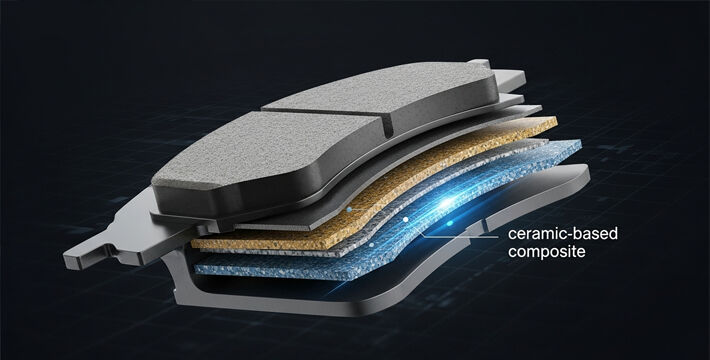
More Than Just Stopping: A Deep Dive into the Materials and Craftsmanship of SUOKE High-Performance Brake Pads

07

Jul

More Than Just Stopping: A Deep Dive into the Materials and Craftsmanship of SUOKE High-Performance Brake Pads

View More
The Next Frontier in the NEV Aftermarket: Why High-Quality EV-Compatible Parts are Your Must-Win Territory

16

Jul

The Next Frontier in the NEV Aftermarket: Why High-Quality EV-Compatible Parts are Your Must-Win Territory

View More
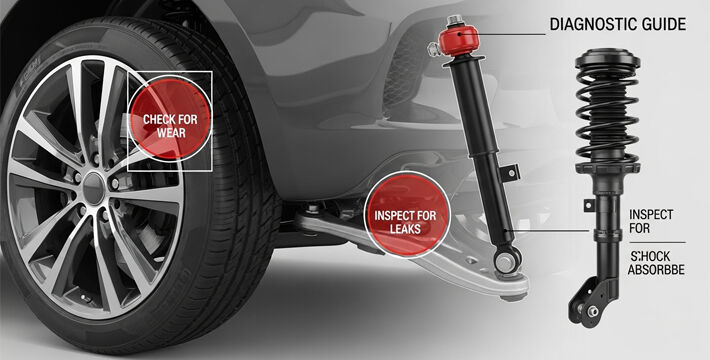
A Guide to Improving Customer Satisfaction: From Strange Noises to Steering Pull, How to Accurately Diagnose Suspension Problems and Select the Right Parts

07

Jul

A Guide to Improving Customer Satisfaction: From Strange Noises to Steering Pull, How to Accurately Diagnose Suspension Problems and Select the Right Parts

View More

Get a Free Quote

Our representative will contact you soon.
Email
Name
Company Name
Message
0/1000

gasoline engine parts

Advanced Materials and Engineering

Advanced Materials and Engineering

Modern gasoline engine parts showcase remarkable advances in materials science and engineering. High-strength aluminum alloys, forged steel, and composite materials are strategically employed to create components that offer superior strength-to-weight ratios. These materials undergo rigorous testing and quality control processes to ensure they meet or exceed industry standards. The use of computer-aided design and finite element analysis enables engineers to optimize component designs for maximum efficiency and durability. Surface treatments and coatings, such as diamond-like carbon coatings and nitriding, enhance wear resistance and reduce friction, contributing to extended component life and improved engine performance. These technological advancements result in parts that operate more efficiently, generate less heat, and require less maintenance than their predecessors.
Precision Manufacturing and Quality Control

Precision Manufacturing and Quality Control

The manufacturing of gasoline engine parts involves state-of-the-art precision machining and quality control processes. Computer numerical control (CNC) machining ensures exceptional accuracy and consistency in part production, with tolerances measured in micrometers. Each component undergoes multiple inspection stages, including dimensional verification, material composition analysis, and stress testing. Advanced measurement technologies, such as coordinate measuring machines and optical scanning systems, verify compliance with exact specifications. This level of precision manufacturing results in parts that fit perfectly, operate smoothly, and maintain their performance characteristics over extended periods. Quality control protocols include batch testing, metallurgical analysis, and performance simulation to guarantee reliability and durability.
Integration with Modern Engine Management Systems

Integration with Modern Engine Management Systems

Contemporary gasoline engine parts are designed to work seamlessly with sophisticated engine management systems. Sensors and electronic components integrated into various engine parts provide real-time data about engine performance, temperature, pressure, and emissions. This integration enables adaptive engine control, optimizing performance based on operating conditions and driver input. Smart sensors embedded in critical components can detect wear patterns and potential failures before they occur, allowing for preventive maintenance. The compatibility with diagnostic systems simplifies troubleshooting and maintenance procedures, reducing service time and costs. This electronic integration also facilitates compliance with evolving emissions standards while maintaining optimal engine performance and efficiency.

Get a Free Quote

Our representative will contact you soon.
Email
Name
Company Name
Message
0/1000