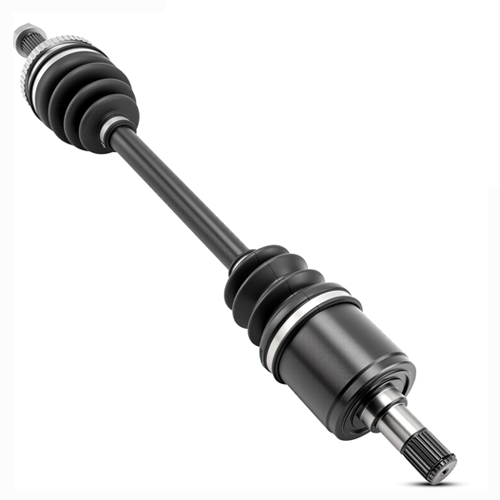
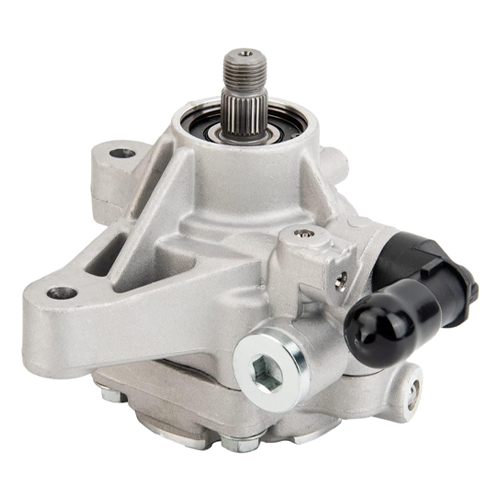
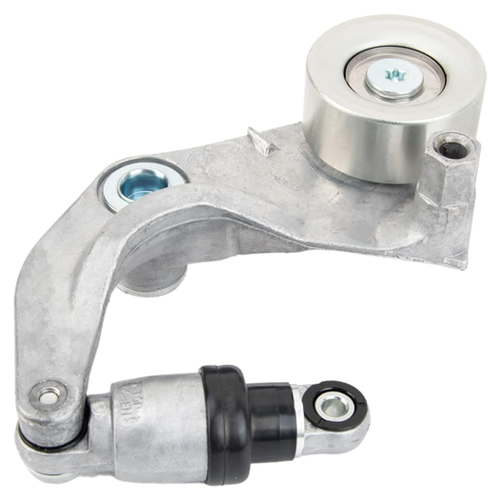
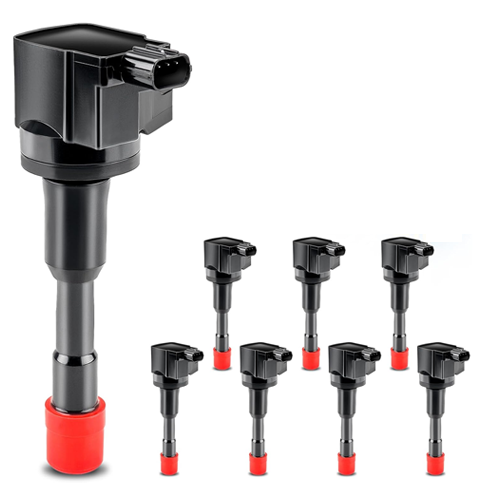
High-Performance Engine Parts: Advanced Technology for Superior Automotive Performance

All Categories

Get a Free Quote

Our representative will contact you soon.
Email
Name
Company Name
Message
0/1000

different engine parts

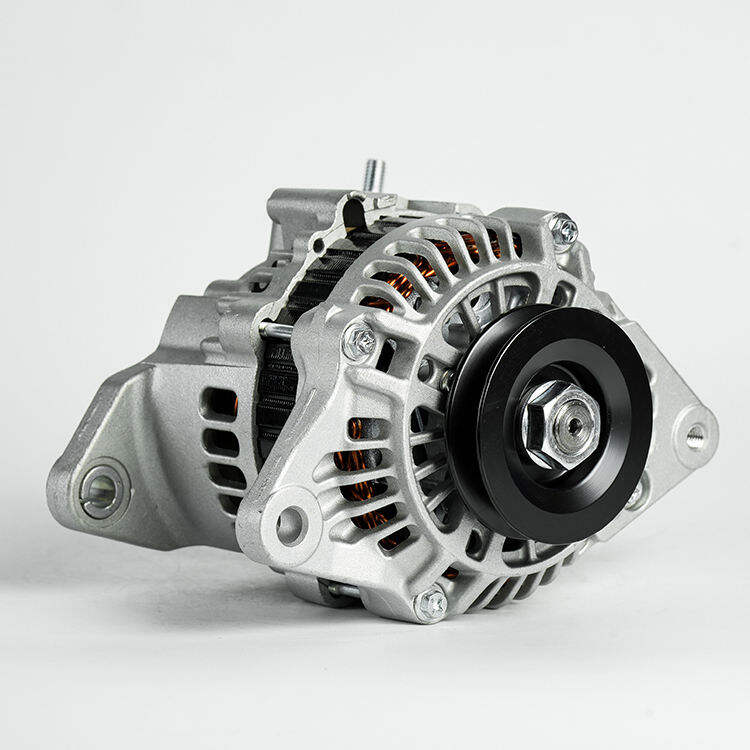
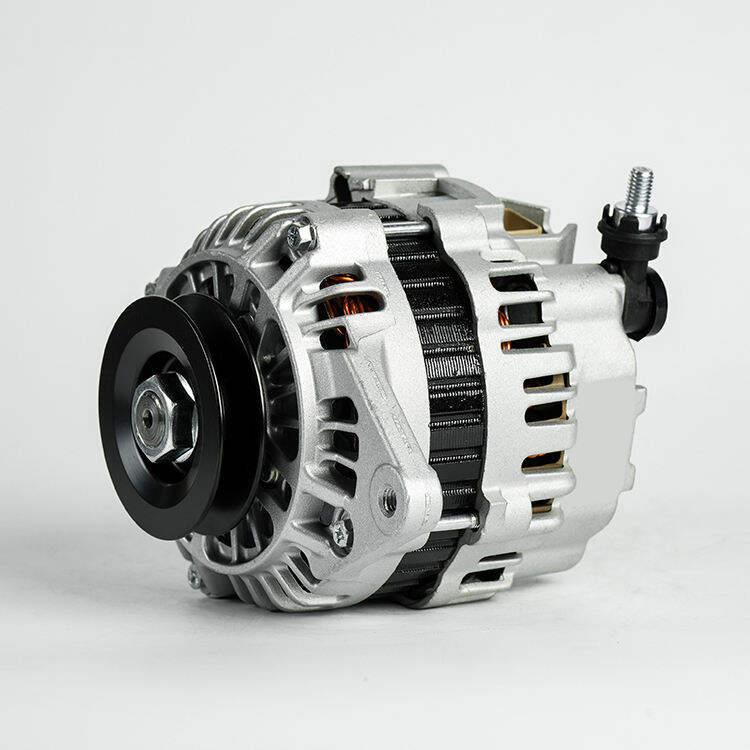
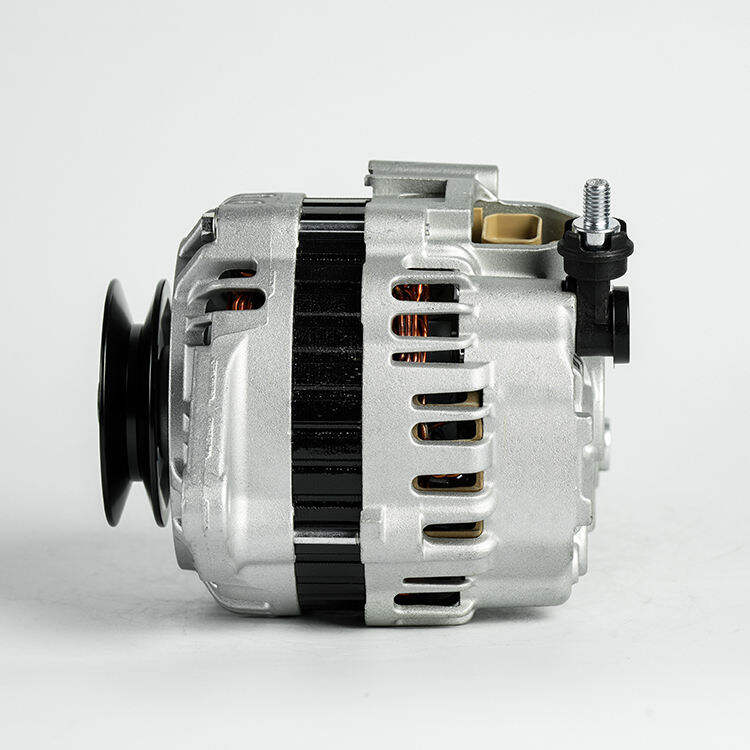
Engine parts represent the fundamental components that work together to power vehicles and machinery. From the engine block, which serves as the foundational structure, to the intricate system of pistons, crankshafts, and valves, each component plays a crucial role in converting fuel into mechanical energy. The cylinder head houses the combustion chamber where the fuel-air mixture ignites, while the camshaft controls the precise timing of valve operations. Connecting rods transfer motion from the pistons to the crankshaft, enabling the conversion of linear motion into rotary motion. Modern engine parts incorporate advanced materials like aluminum alloys and high-grade steel, offering improved durability and performance while reducing overall weight. The fuel injection system ensures optimal fuel delivery, while the cooling system maintains ideal operating temperatures. These components work in perfect synchronization, utilizing sophisticated engineering principles to deliver reliable power output while meeting increasingly stringent emissions standards. The integration of electronic control modules and sensors further enhances engine efficiency and performance, allowing for real-time adjustments and monitoring of various operating parameters.

New Product Recommendations

Modern engine parts offer numerous advantages that significantly enhance vehicle performance and reliability. The implementation of lightweight materials in component construction leads to improved fuel efficiency and reduced wear, extending the engine's lifespan. Advanced manufacturing techniques ensure precise tolerances, resulting in better combustion efficiency and reduced emissions. The integration of electronic control systems allows for optimal performance across various operating conditions, while sophisticated cooling systems maintain ideal temperatures, preventing premature wear and potential damage. High-quality engine parts feature improved design elements that minimize friction and maximize power output, contributing to better overall engine performance. The use of corrosion-resistant materials extends component longevity, reducing maintenance requirements and associated costs. Enhanced sealing technologies prevent oil leaks and maintain proper compression, ensuring consistent power delivery. Modern engine parts also incorporate noise reduction features, providing quieter operation without compromising performance. The standardization of component designs facilitates easier maintenance and repairs, while improved quality control measures ensure reliability and consistency across manufacturing batches. These advantages collectively contribute to enhanced engine efficiency, reduced environmental impact, and improved vehicle performance, making modern engine parts essential for optimal automotive operation.

Latest News

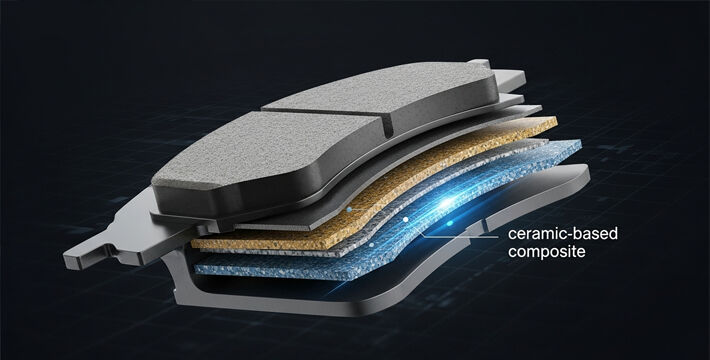
More Than Just Stopping: A Deep Dive into the Materials and Craftsmanship of SUOKE High-Performance Brake Pads

07

Jul

More Than Just Stopping: A Deep Dive into the Materials and Craftsmanship of SUOKE High-Performance Brake Pads

View More
The Next Frontier in the NEV Aftermarket: Why High-Quality EV-Compatible Parts are Your Must-Win Territory

16

Jul

The Next Frontier in the NEV Aftermarket: Why High-Quality EV-Compatible Parts are Your Must-Win Territory

View More
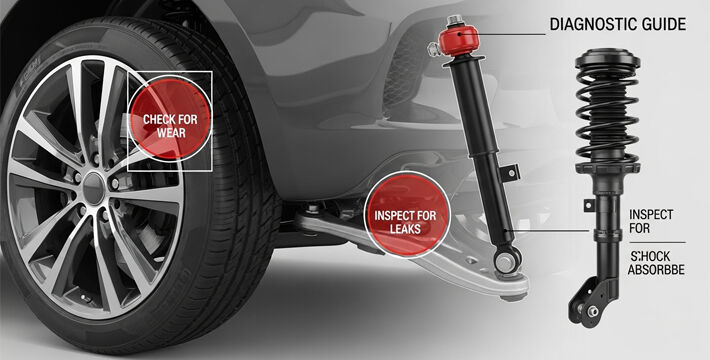
A Guide to Improving Customer Satisfaction: From Strange Noises to Steering Pull, How to Accurately Diagnose Suspension Problems and Select the Right Parts

07

Jul

A Guide to Improving Customer Satisfaction: From Strange Noises to Steering Pull, How to Accurately Diagnose Suspension Problems and Select the Right Parts

View More

Get a Free Quote

Our representative will contact you soon.
Email
Name
Company Name
Message
0/1000

different engine parts

Advanced Material Technology

Advanced Material Technology

Modern engine parts leverage cutting-edge material technology to deliver unprecedented performance and durability. The use of aerospace-grade aluminum alloys in engine blocks and cylinder heads significantly reduces weight while maintaining structural integrity. These materials feature enhanced thermal conductivity properties, enabling more efficient heat dissipation and improved overall engine performance. High-strength steel alloys used in crankshafts and connecting rods provide superior durability under extreme stress conditions, while specialized coating technologies reduce friction and wear. The implementation of composite materials in various components offers an optimal balance of strength and weight reduction, contributing to improved fuel efficiency and reduced emissions. These advanced materials also demonstrate superior resistance to thermal fatigue and corrosion, extending component lifespan and reducing maintenance requirements.
Precision Engineering and Design

Precision Engineering and Design

The engineering precision in modern engine parts represents a significant advancement in automotive technology. Computer-aided design and manufacturing processes ensure components are produced with microscopic accuracy, resulting in perfect fitment and optimal performance. Advanced machining techniques create surface finishes that minimize friction and enhance oil retention, leading to improved efficiency and reduced wear. The implementation of finite element analysis in component design allows for optimization of strength-to-weight ratios and stress distribution. These precisely engineered parts feature improved oil passage designs for enhanced lubrication, optimized cooling channels for better temperature management, and refined combustion chamber geometries for increased power output and reduced emissions.
Smart Integration Systems

Smart Integration Systems

Modern engine parts incorporate sophisticated integration systems that enhance overall performance and reliability. Electronic sensors embedded within components provide real-time monitoring of critical parameters, enabling precise control of engine operation. Advanced diagnostic capabilities allow for early detection of potential issues, preventing major failures and reducing maintenance costs. The integration of variable valve timing systems optimizes engine performance across different operating conditions, while smart fuel injection systems ensure optimal fuel delivery and combustion efficiency. These integrated systems work in harmony to maximize power output while minimizing fuel consumption and emissions, representing a significant advancement in engine technology and environmental responsibility.

Get a Free Quote

Our representative will contact you soon.
Email
Name
Company Name
Message
0/1000