four stroke engine components
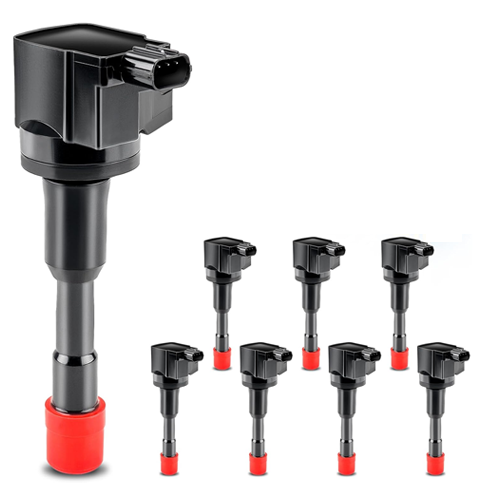
A four stroke engine represents a marvel of mechanical engineering, comprising several essential components that work in harmony to convert fuel into mechanical energy. The main components include the cylinder block, which houses the piston and serves as the engine's foundation, the crankshaft that transforms linear motion into rotary motion, and the cylinder head containing valves for air intake and exhaust. The piston, connected to the crankshaft via a connecting rod, moves up and down within the cylinder during the four distinct strokes: intake, compression, power, and exhaust. The valve train system, including camshafts, pushrods, and rocker arms, precisely controls the timing of valve operations. Fuel delivery systems, such as fuel injectors or carburetors, manage the fuel-air mixture, while the ignition system, incorporating spark plugs and timing mechanisms, ensures proper combustion. These components are supported by auxiliary systems like cooling and lubrication, which maintain optimal operating temperatures and reduce friction between moving parts. Modern four stroke engines also feature sophisticated electronic control units that optimize performance and efficiency across various operating conditions.



 EN
EN