car engine main parts
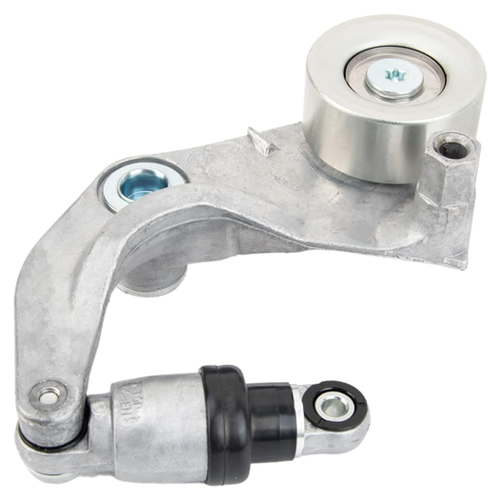
A car engine comprises several essential components that work in harmony to power your vehicle. The engine block serves as the foundation, housing the cylinders where combustion occurs. The cylinders contain pistons that move up and down, converting fuel energy into mechanical power. The cylinder head sits atop the block, containing valves that control air and fuel mixture intake and exhaust gas release. The crankshaft, connected to the pistons via connecting rods, transforms linear piston motion into rotary motion. The camshaft controls valve timing, ensuring optimal engine performance. Fuel injectors precisely deliver fuel into the cylinders, while spark plugs ignite the air-fuel mixture. The timing belt or chain synchronizes the crankshaft and camshaft movements. The oil pan stores engine oil, crucial for lubrication, while the cooling system prevents overheating. These components feature advanced materials and precision engineering, incorporating technologies like variable valve timing and direct injection for improved efficiency. Modern engines also include sophisticated sensors and electronic control units that continuously monitor and adjust performance parameters for optimal operation.

 EN
EN