engine system components
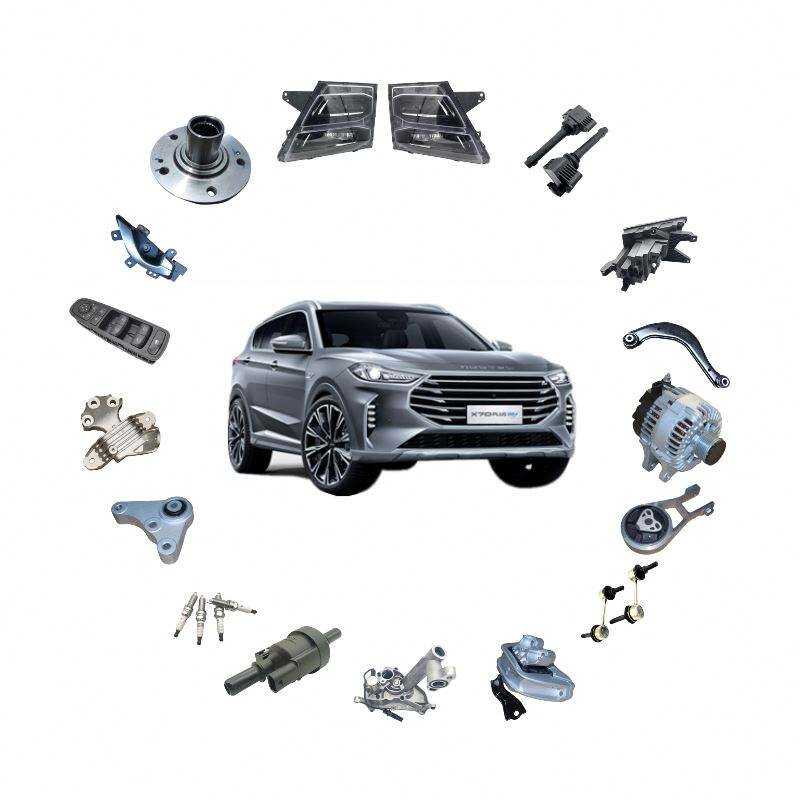
Engine system components form the essential foundation of modern vehicular powertrains, comprising a sophisticated array of interconnected parts that work in harmony to generate mechanical energy from fuel combustion. These components include the engine block, cylinders, pistons, crankshaft, camshaft, valves, and fuel injection system. The engine block serves as the primary structural foundation, housing the cylinders where the combustion process occurs. Pistons move within these cylinders, converting the energy from fuel combustion into mechanical motion through the crankshaft. The valve system, controlled by the camshaft, precisely regulates the intake of fuel and air mixture and the exhaust of combustion gases. Modern engine systems also incorporate advanced electronic control units (ECUs) that optimize performance by monitoring and adjusting various parameters in real time. These components work together to ensure efficient power delivery, optimal fuel consumption, and reduced emissions. The applications of these systems extend beyond conventional automobiles to include industrial machinery, marine vessels, and power generation equipment, demonstrating their versatility and importance in multiple sectors.

 EN
EN