High-Performance Engine Valve Components: Advanced Materials and Precision Engineering for Superior Engine Operation

All Categories

Get a Free Quote

Our representative will contact you soon.
Email
Name
Company Name
Message
0/1000

engine valve components

Engine valve components are critical elements in internal combustion engines, serving as gatekeepers that control the flow of air, fuel mixture, and exhaust gases. These precision-engineered parts consist of the valve head, valve stem, valve guides, valve seats, and valve springs, working in perfect synchronization to ensure optimal engine performance. The valve head creates a secure seal against the valve seat when closed, preventing compression loss, while the stem enables smooth movement through the valve guide. Modern engine valves are manufactured using advanced materials like high-grade steel alloys and chromium coatings to withstand extreme temperatures and pressures. The intake valves manage the flow of fresh air or fuel mixture into the combustion chamber, while exhaust valves facilitate the removal of spent gases. These components operate in a harsh environment, experiencing temperatures exceeding 700°C and thousands of cycles per minute. The design incorporates specific features like stellite facing on valve seats and sodium-filled stems in high-performance applications to enhance heat dissipation and durability. Engine valve components play a crucial role in determining engine efficiency, power output, and emissions control, making them indispensable in automotive, marine, and industrial applications.
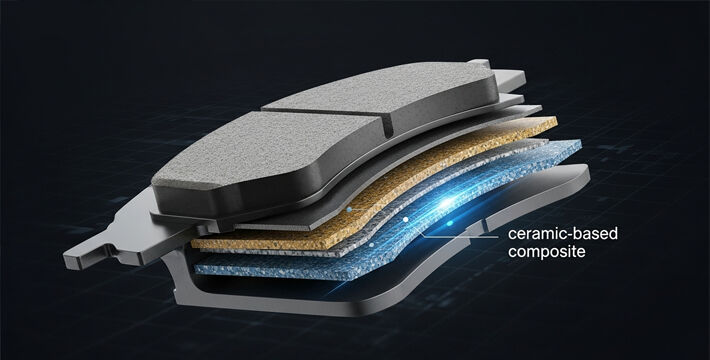

New Product Releases

Engine valve components offer numerous advantages that directly impact engine performance and longevity. The precision engineering of these components ensures optimal combustion efficiency, resulting in improved fuel economy and reduced emissions. Advanced material technology, including chromium-molybdenum steel alloys and specialized coatings, provides exceptional wear resistance and thermal stability, extending the service life of the valves significantly. The sophisticated design of valve springs and retainers maintains precise valve timing even at high engine speeds, contributing to enhanced power output and smoother operation. Modern manufacturing processes ensure consistent quality and tight tolerances, reducing the likelihood of valve-related engine failures. The implementation of sodium-filled valves in performance applications offers superior heat dissipation, preventing valve warping and maintaining seal integrity under extreme conditions. These components feature optimized flow characteristics that maximize engine breathing capability, directly impacting horsepower and torque production. The incorporation of hardened valve seats enables compatibility with unleaded fuels while maintaining excellent wear characteristics. The design of these components also considers ease of maintenance and replacement, reducing service costs over the engine's lifetime. Furthermore, the use of advanced materials and coatings minimizes valve guide wear and ensures consistent valve stem clearances, contributing to reduced oil consumption and improved emissions control. The robust construction of these components ensures reliable operation across a wide range of operating conditions, from cold starts to maximum power output scenarios.

Latest News

More Than Just Stopping: A Deep Dive into the Materials and Craftsmanship of SUOKE High-Performance Brake Pads

07

Jul

More Than Just Stopping: A Deep Dive into the Materials and Craftsmanship of SUOKE High-Performance Brake Pads

View More
The Next Frontier in the NEV Aftermarket: Why High-Quality EV-Compatible Parts are Your Must-Win Territory

16

Jul

The Next Frontier in the NEV Aftermarket: Why High-Quality EV-Compatible Parts are Your Must-Win Territory

View More
A Guide to Improving Customer Satisfaction: From Strange Noises to Steering Pull, How to Accurately Diagnose Suspension Problems and Select the Right Parts

07

Jul

A Guide to Improving Customer Satisfaction: From Strange Noises to Steering Pull, How to Accurately Diagnose Suspension Problems and Select the Right Parts

View More

Get a Free Quote

Our representative will contact you soon.
Email
Name
Company Name
Message
0/1000

engine valve components

Advanced Material Technology

Advanced Material Technology

The implementation of cutting-edge materials in engine valve components represents a significant advancement in automotive engineering. High-grade steel alloys, enhanced with chromium and molybdenum, provide exceptional strength and wear resistance under extreme operating conditions. The valve faces feature specialized hard-facing materials like stellite, which maintains its hardness and wear resistance even at elevated temperatures. Sodium-filled valve stems, particularly in exhaust valves, utilize the liquid sodium's excellent heat transfer properties to conduct heat away from the valve head, preventing thermal distortion and ensuring consistent sealing. The valve guide materials are carefully selected to provide optimal lubrication characteristics and wear resistance while maintaining proper clearances throughout the thermal cycle. These material choices directly contribute to extended component life, reduced maintenance requirements, and improved engine performance.
Precision Engineering and Quality Control

Precision Engineering and Quality Control

The manufacturing process of engine valve components exemplifies the highest standards of precision engineering and quality control. Each component is produced to exacting tolerances, often measured in microns, to ensure perfect fit and function within the engine assembly. Advanced CNC machining processes guarantee consistency across production runs, while sophisticated measurement and testing equipment verify dimensional accuracy at multiple stages. The valve seat angles and surface finish are precisely controlled to optimize sealing characteristics and flow efficiency. Quality control measures include comprehensive material testing, dimensional verification, and performance validation under simulated operating conditions. This attention to detail ensures that each valve component meets or exceeds OEM specifications, providing reliable performance and longevity in service.
Performance Optimization Features

Performance Optimization Features

Engine valve components incorporate numerous design features specifically aimed at optimizing engine performance. The valve head profile is engineered to provide maximum flow coefficient while maintaining adequate strength, directly impacting engine breathing efficiency. Multi-angle valve seats enhance sealing capability while reducing flow restriction, contributing to improved volumetric efficiency. The valve stem diameter and length are optimized to minimize weight while maintaining adequate strength, reducing valve train inertia and allowing higher engine speeds. Valve guide length and clearance specifications are carefully determined to ensure proper valve control while minimizing friction losses. The spring design, including material selection and coil configuration, ensures accurate valve control across the entire operating range, preventing valve float at high RPMs while maintaining adequate sealing pressure at idle.

Get a Free Quote

Our representative will contact you soon.
Email
Name
Company Name
Message
0/1000