
 EN
EN

Sourcing quality cabin air filters requires careful consideration of manufacturer reliability, product specifications, and supply chain efficiency. The automotive aftermarket industry demands precision and consistency in filtration components, making supplier selection a critical business decision for distributors and retailers. Understanding the complexities of cabin air filter manufacturing enables procurement professionals to establish partnerships that deliver both quality products and competitive market positioning.
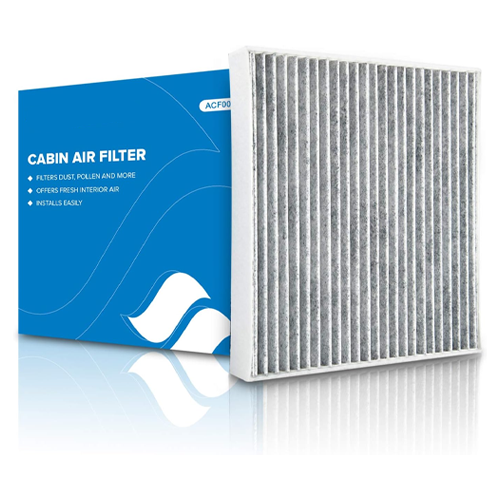
The modern cabin air filter market encompasses various filtration technologies, from basic particle filters to advanced activated carbon systems. Manufacturers specializing in automotive filtration components must demonstrate expertise in material science, production consistency, and regulatory compliance. Successful sourcing strategies focus on identifying suppliers who maintain strict quality control protocols while offering scalable production capabilities to meet fluctuating market demands.
Understanding Cabin Air Filter Manufacturing Standards
International Quality Certifications
Reputable cabin air filter manufacturers maintain certifications from recognized international standards organizations. ISO 9001 quality management systems ensure consistent production processes, while automotive-specific standards like IATF 16949 demonstrate specialized expertise in automotive component manufacturing. These certifications provide assurance that manufacturing facilities implement systematic quality control measures throughout the production cycle.
Additional certifications such as ISO 14001 environmental management and OHSAS 18001 occupational health standards indicate comprehensive operational excellence. Manufacturers holding multiple certifications typically demonstrate stronger commitment to sustainable business practices and worker safety protocols. Procurement teams should prioritize suppliers who maintain current certification status and undergo regular third-party audits to verify compliance.
Technical Specification Requirements
Technical specifications for cabin air filter products must align with original equipment manufacturer standards and aftermarket compatibility requirements. Filtration efficiency ratings, dimensional tolerances, and material composition specifications determine product performance and market acceptance. Manufacturers should provide detailed technical documentation including filtration test results, dimensional drawings, and material safety data sheets.
Advanced cabin air filter designs incorporate multiple filtration layers, including pre-filters for large particles and activated carbon layers for odor and gas absorption. Manufacturing processes must ensure proper layer adhesion, consistent pleat formation, and secure frame construction to prevent bypass or structural failure. Quality manufacturers invest in precision equipment and maintain strict process controls to achieve consistent technical performance across production batches.
Evaluating Manufacturing Capabilities and Capacity
Production Infrastructure Assessment
Manufacturing facility evaluation begins with assessment of production equipment, automation levels, and quality control systems. Modern cabin air filter production requires specialized pleating machines, frame assembly equipment, and environmental testing capabilities. Facilities equipped with automated production lines typically achieve higher consistency and lower labor costs compared to manual assembly operations.
Production capacity analysis should consider both current output levels and expansion potential to accommodate growing business relationships. Manufacturers with multiple production lines or facilities offer better supply security and reduced risk of production disruptions. Evaluation criteria should include equipment maintenance programs, backup systems, and contingency planning for operational continuity during peak demand periods.
Raw Material Sourcing and Supply Chain
Reliable cabin air filter manufacturing depends on consistent access to quality raw materials, including filter media, adhesives, frames, and gaskets. Manufacturers with established relationships with multiple material suppliers demonstrate better supply chain resilience and cost stability. Raw material traceability systems enable quality issue investigation and support product liability management.
Filter media quality significantly impacts final product performance, requiring manufacturers to source materials from certified suppliers with proven track records. Activated carbon quality, pleating consistency, and frame material properties all contribute to overall cabin air filter effectiveness and durability. Suppliers should maintain material qualification programs and conduct regular incoming inspection procedures to ensure consistent material quality.
Quality Assurance and Testing Protocols
Performance Testing Standards
Comprehensive cabin air filter testing encompasses filtration efficiency, pressure drop, structural integrity, and environmental resistance parameters. Industry standard test methods such as ISO 11155-1 for cabin air filter performance provide benchmarks for evaluating product quality and comparing manufacturer capabilities. Testing facilities should maintain calibrated equipment and participate in inter-laboratory comparison programs to ensure measurement accuracy.
Environmental testing protocols evaluate cabin air filter performance under various temperature and humidity conditions that simulate real-world operating environments. Accelerated aging tests predict long-term performance characteristics and help identify potential failure modes before products reach market. Manufacturers with comprehensive testing capabilities can provide detailed performance data to support product marketing and customer technical requirements.
Quality Control Systems
Statistical process control systems monitor critical manufacturing parameters to identify trends and prevent quality deviations before they affect finished products. Real-time monitoring of pleat spacing, adhesive application, and dimensional measurements enables immediate corrective action when processes drift outside acceptable limits. Quality control documentation should demonstrate consistent measurement practices and effective corrective action procedures.
Incoming material inspection, in-process monitoring, and final product testing create multiple quality checkpoints throughout the manufacturing process. Cabin air filter manufacturers should maintain documented quality procedures with clear acceptance criteria and rejection protocols. Regular internal audits and management reviews ensure quality system effectiveness and continuous improvement implementation.
Supply Chain Management and Logistics
Inventory Management Strategies
Effective cabin air filter supply chain management balances inventory investment with service level requirements to optimize working capital and customer satisfaction. Manufacturers offering flexible inventory programs, including vendor-managed inventory and consignment arrangements, provide additional value to distribution partners. Demand forecasting capabilities help manufacturers anticipate market requirements and maintain appropriate stock levels.
Just-in-time manufacturing approaches reduce inventory carrying costs while requiring robust production planning and supplier coordination. Cabin air filter manufacturers with lean production systems can respond quickly to order changes and minimize obsolete inventory risks. Electronic data interchange capabilities enable real-time communication between manufacturers and customers to improve order processing efficiency and reduce administrative costs.
Packaging and Shipping Considerations
Proper packaging protects cabin air filter products during transportation and storage while minimizing shipping costs and environmental impact. Manufacturers should design packaging systems that prevent damage from compression, moisture, and contamination during distribution. Standardized packaging dimensions optimize shipping container utilization and reduce logistics costs for both manufacturers and customers.
International shipping requirements may include special documentation, labeling, and packaging modifications to comply with destination country regulations. Cabin air filter manufacturers with experience in global markets understand import/export procedures and can assist customers with regulatory compliance. Tracking systems provide visibility into shipment status and delivery confirmation to support customer service and inventory management.
Cost Analysis and Pricing Strategies
Total Cost of Ownership Evaluation
Cabin air filter sourcing decisions should consider total cost of ownership beyond initial purchase price, including quality costs, inventory carrying costs, and customer service expenses. Higher-quality products may command premium pricing but deliver better long-term value through reduced warranty claims and improved customer satisfaction. Cost analysis should include freight expenses, payment terms, and volume discount structures to determine true landed costs.
Hidden costs such as quality audits, supplier development, and supply disruption recovery can significantly impact total procurement expenses. Manufacturers with proven quality systems and reliable delivery performance reduce these indirect costs through consistent performance. Long-term supply agreements may provide cost stability and preferential treatment during material shortages or capacity constraints.
Value-Added Services and Support
Comprehensive cabin air filter manufacturers offer value-added services including technical support, marketing assistance, and training programs to enhance customer success. Product application databases, cross-reference tools, and installation guides help customers effectively market and sell filtration products. Technical hotlines and field support services provide ongoing assistance for product applications and troubleshooting.
Private labeling capabilities allow customers to develop branded cabin air filter products while leveraging manufacturer expertise and production capacity. Custom packaging options, point-of-sale materials, and co-operative advertising programs support customer marketing efforts. Manufacturers offering comprehensive support services often develop stronger, more profitable customer relationships than those focused solely on product supply.
Supplier Relationship Management
Partnership Development Strategies
Successful cabin air filter sourcing requires developing strategic partnerships rather than transactional supplier relationships. Long-term agreements provide manufacturers with volume visibility and customers with supply security and preferential treatment. Regular business reviews facilitate communication about market trends, new product opportunities, and performance improvement initiatives.
Joint product development programs enable manufacturers and customers to collaborate on new cabin air filter designs and applications. Shared investment in tooling, testing, and market development creates mutual commitment and competitive advantages. Exclusive distribution agreements in specific territories may provide additional incentives for manufacturers to invest in customer success and market development.
Performance Monitoring and Improvement
Systematic supplier performance monitoring tracks key metrics including quality levels, delivery performance, and customer service responsiveness. Regular scorecards provide objective feedback to manufacturers and identify improvement opportunities. Collaborative problem-solving approaches address performance issues while maintaining positive business relationships and mutual trust.
Continuous improvement programs encourage cabin air filter manufacturers to invest in process enhancement, cost reduction, and quality improvement initiatives. Shared savings programs provide incentives for manufacturers to identify and implement improvement opportunities that benefit both parties. Regular supplier conferences and training sessions facilitate knowledge sharing and relationship building among supply chain partners.
FAQ
What certifications should cabin air filter manufacturers maintain?
Reputable cabin air filter manufacturers should maintain ISO 9001 quality management certification and preferably IATF 16949 automotive quality certification. Additional certifications such as ISO 14001 environmental management demonstrate comprehensive operational excellence. Manufacturers should provide current certification documents and third-party audit reports to verify compliance status.
How can I evaluate cabin air filter manufacturing quality?
Quality evaluation should include facility audits, product testing verification, and reference customer interviews. Review quality control procedures, testing equipment calibration records, and statistical process control data. Request samples for independent testing and compare results with manufacturer specifications to verify performance claims and consistency.
What factors affect cabin air filter pricing and total cost?
Cabin air filter pricing depends on material quality, manufacturing complexity, volume commitments, and value-added services included. Total cost analysis should consider freight expenses, inventory carrying costs, quality expenses, and supplier support services. Long-term agreements may provide cost advantages through volume discounts and supply security benefits.
How important is manufacturer location for cabin air filter sourcing?
Manufacturing location affects shipping costs, lead times, and supply chain complexity but should be balanced against quality, capability, and total cost considerations. Local manufacturers may provide faster delivery and easier communication, while international suppliers might offer cost advantages for high-volume requirements. Evaluate each supplier based on comprehensive criteria rather than location alone.