
 EN
EN

Vehicle stability represents one of the most critical aspects of automotive safety and performance, fundamentally determined by how suspension components work together to maintain optimal wheel positioning. The debate over whether stability is inherently designed into the chassis or develops through usage patterns continues to influence automotive engineering approaches. At the heart of this discussion lies the control arm, a pivotal suspension component that directly impacts how vehicles handle road conditions and maintain directional stability. Understanding the relationship between engineered design principles and real-world usage patterns helps illuminate why some vehicles demonstrate superior stability characteristics throughout their operational lifespan.
Fundamental Design Principles in Chassis Engineering
Structural Integrity and Load Distribution
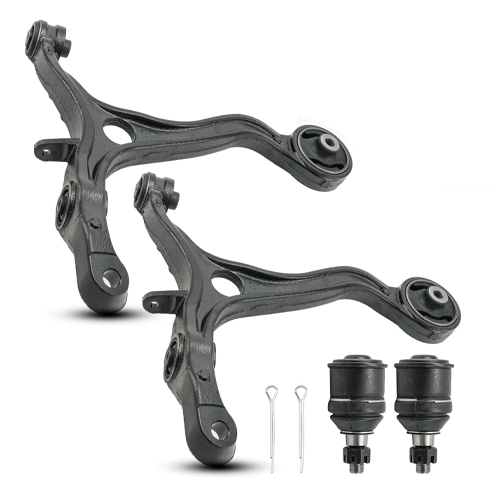
Modern chassis design incorporates sophisticated engineering principles that establish baseline stability characteristics before vehicles ever encounter real-world conditions. Engineers carefully calculate load distribution patterns, considering how forces transfer through the control arm assembly during various driving scenarios. The control arm serves as a critical link between the wheel hub and chassis, maintaining precise wheel alignment while accommodating vertical movement and steering inputs. This foundational design work determines much of a vehicle's inherent stability potential, establishing parameters that influence handling characteristics throughout the vehicle's operational life.
Chassis engineers employ advanced computer modeling to simulate stress patterns and predict how suspension components will respond to different loading conditions. The control arm geometry plays a crucial role in these calculations, as its positioning directly affects camber angles, caster settings, and overall suspension kinematics. These predetermined geometric relationships establish the vehicle's fundamental stability envelope, creating boundaries within which the suspension system can effectively maintain tire contact and directional control.
Material Selection and Manufacturing Precision
The materials used in control arm construction significantly impact long-term stability performance, with manufacturers selecting alloys and composites based on strength-to-weight ratios and durability requirements. High-strength steel and aluminum alloys provide the structural integrity necessary to maintain precise suspension geometry under varied loading conditions. Manufacturing tolerances must remain extremely tight to ensure consistent performance across production runs, as even minor variations in control arm dimensions can affect wheel alignment and stability characteristics.
Advanced manufacturing techniques like precision forging and computerized machining enable consistent production of control arm components that meet stringent dimensional requirements. Quality control processes verify that each component maintains the geometric specifications necessary for optimal stability performance, ensuring that design intentions translate effectively into real-world vehicle behavior.
Usage Patterns and Their Impact on Vehicle Stability
Wear Pattern Development
While fundamental stability characteristics originate in the design phase, actual usage patterns significantly influence how these characteristics evolve over time. The control arm experiences continuous stress cycles during normal operation, with each bump, turn, and braking event contributing to gradual wear patterns that can affect stability performance. Aggressive driving habits, frequent heavy loading, and exposure to harsh road conditions accelerate wear processes, potentially compromising the precision of suspension geometry that maintains optimal stability.
Different driving environments create distinct wear signatures on control arm components, with urban stop-and-go traffic producing different stress patterns than highway cruising or off-road operation. Understanding these usage-dependent wear patterns helps predict how vehicle stability characteristics might change over time, enabling proactive maintenance approaches that preserve optimal performance characteristics.
Environmental Factors and Deterioration
Environmental exposure significantly affects control arm longevity and the vehicle's ability to maintain designed stability characteristics. Salt exposure from winter road treatments accelerates corrosion processes, while extreme temperature variations cause expansion and contraction cycles that stress component connections. The control arm's exposed position in the suspension system makes it particularly vulnerable to environmental damage, which can gradually compromise the precise geometry necessary for optimal stability performance.
Regular inspection and maintenance become essential for preserving the stability characteristics engineered into the original chassis design. Protective coatings and corrosion-resistant materials help extend component life, but cannot completely eliminate the gradual effects of environmental exposure on suspension precision and overall vehicle stability.
Integration of Design and Usage Factors
Adaptive Engineering Approaches
Modern automotive engineering increasingly recognizes that optimal vehicle stability results from careful integration of robust initial design with realistic usage expectations. Engineers now incorporate predictive wear modeling into the design process, anticipating how control arm components will perform under various usage scenarios. This approach enables the development of suspension systems that maintain acceptable stability characteristics throughout their intended service life, even as individual components experience gradual wear.
Advanced suspension designs incorporate adjustability features that allow compensation for component wear, enabling maintenance of optimal wheel alignment and stability characteristics as the vehicle ages. These adaptive approaches acknowledge that stability is neither purely a function of initial design nor entirely dependent on usage patterns, but rather emerges from the interaction between engineered capabilities and real-world operating conditions.
Maintenance and Performance Optimization
Proactive maintenance strategies play a crucial role in preserving the stability characteristics engineered into modern chassis systems. Regular control arm inspection and replacement when necessary ensures that designed stability performance continues throughout the vehicle's operational life. Understanding the relationship between component condition and vehicle stability enables informed maintenance decisions that optimize both safety and performance characteristics.
Professional alignment services and suspension component replacement with high-quality parts maintain the precise geometric relationships that determine vehicle stability. The control arm replacement process requires careful attention to specifications and installation procedures to ensure optimal performance restoration. Quality replacement components designed to meet or exceed original equipment specifications help maintain the stability characteristics intended by the original chassis engineers.
Technological Advances in Stability Management
Electronic Stability Systems
Contemporary vehicles increasingly incorporate electronic stability management systems that work in conjunction with traditional mechanical components like the control arm to enhance overall vehicle stability. These systems monitor vehicle dynamics in real-time, detecting when actual vehicle behavior deviates from driver intentions. While the control arm maintains the fundamental mechanical connection between wheels and chassis, electronic systems provide additional stability enhancement through selective brake application and engine torque management.
The integration of electronic and mechanical stability systems represents an evolution in automotive engineering that acknowledges both the importance of fundamental chassis design and the benefits of adaptive response systems. The control arm continues to serve as the primary mechanical interface for maintaining wheel positioning, while electronic systems provide supplementary stability enhancement during challenging driving conditions.
Predictive Maintenance Technologies
Advanced diagnostic systems increasingly enable predictive maintenance approaches that identify control arm wear before it significantly affects vehicle stability. Sensor technologies can monitor suspension component movement and detect deviations from normal operating patterns that indicate developing wear issues. These predictive capabilities help maintain optimal stability performance by enabling component replacement before significant performance degradation occurs.
Machine learning algorithms analyze vehicle behavior patterns to predict when control arm replacement might become necessary, considering individual usage patterns and environmental factors. This technological approach helps optimize the relationship between designed stability characteristics and real-world performance by ensuring that mechanical components remain within acceptable operating parameters throughout their service life.
Performance Optimization Strategies
Component Selection and Upgrading
Vehicle owners seeking to optimize stability performance can consider upgrading control arm components with enhanced materials or improved designs that exceed original equipment specifications. Performance-oriented control arm designs often incorporate stronger materials, improved joint designs, and enhanced corrosion resistance that can provide superior longevity and maintained precision compared to standard components. However, such upgrades must be carefully selected to ensure compatibility with existing suspension geometry and electronic stability systems.
The selection of appropriate control arm components requires consideration of intended usage patterns, performance goals, and compatibility with existing vehicle systems. Professional installation ensures that upgraded components integrate properly with existing suspension geometry, maintaining the precise alignment characteristics necessary for optimal stability performance while potentially enhancing durability and performance characteristics.
Regular Assessment and Adjustment
Systematic evaluation of control arm condition and overall suspension performance enables early detection of issues that could compromise vehicle stability. Regular professional inspections can identify wear patterns, joint deterioration, and alignment discrepancies that might not be immediately apparent to vehicle operators. These assessments provide valuable information for maintaining optimal stability characteristics through proactive maintenance and timely component replacement.
Professional alignment services ensure that control arm positioning maintains the precise geometric relationships established during the original design process. Regular alignment checks help preserve stability characteristics by correcting minor deviations before they develop into significant performance issues, maintaining the intended relationship between designed capabilities and real-world performance.
FAQ
How often should control arm components be inspected for optimal vehicle stability
Control arm inspection should typically occur during regular maintenance intervals, generally every 12,000 to 15,000 miles or as recommended by the vehicle manufacturer. However, vehicles operated in harsh conditions or those exhibiting handling changes may require more frequent inspection. Professional technicians can identify wear patterns, joint deterioration, and alignment issues that could affect stability performance, enabling proactive maintenance that preserves optimal vehicle handling characteristics.
What are the primary signs that control arm replacement is necessary
Common indicators of control arm deterioration include unusual tire wear patterns, steering wheel vibration, clunking noises during turning or over bumps, and changes in vehicle handling characteristics. Visual inspection may reveal worn bushings, damaged joints, or corrosion that compromises component integrity. Any combination of these symptoms suggests that control arm replacement may be necessary to restore optimal stability performance and maintain safe vehicle operation.
Can upgraded control arm components improve vehicle stability beyond original design specifications
High-performance control arm components can potentially enhance stability characteristics through improved materials, better joint designs, and enhanced durability. However, such improvements must work within the constraints of the existing chassis design and suspension geometry. While upgraded components may provide better longevity and maintained precision over time, dramatic improvements in fundamental stability characteristics require comprehensive suspension system modifications rather than simple component upgrades.
How do environmental conditions affect control arm longevity and vehicle stability
Environmental factors significantly impact control arm durability, with salt exposure, temperature extremes, and moisture accelerating wear processes. Coastal areas and regions using road salt experience accelerated corrosion, while extreme temperature variations create expansion and contraction stresses. Regular cleaning, protective treatments, and more frequent inspection can help mitigate environmental effects, preserving the component precision necessary for optimal stability performance in challenging conditions.
Table of Contents
- Fundamental Design Principles in Chassis Engineering
- Usage Patterns and Their Impact on Vehicle Stability
- Integration of Design and Usage Factors
- Technological Advances in Stability Management
- Performance Optimization Strategies
-
FAQ
- How often should control arm components be inspected for optimal vehicle stability
- What are the primary signs that control arm replacement is necessary
- Can upgraded control arm components improve vehicle stability beyond original design specifications
- How do environmental conditions affect control arm longevity and vehicle stability