
 EN
EN
Driving at night can be an unsettling experience when your vehicle's headlights don't perform as expected. Many drivers notice their headlights seem dimmer, produce uneven light patterns, or fail to illuminate the road adequately during nighttime conditions. Understanding why headlight performance deteriorates over time and recognizing when headlight assembly replacement becomes necessary can significantly improve your driving safety and confidence on dark roads.
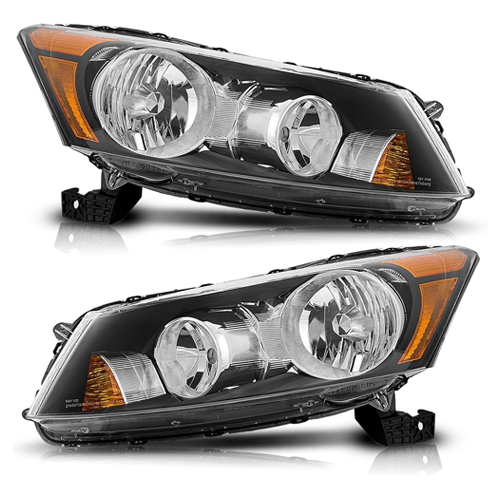
The phenomenon of declining headlight performance affects millions of vehicles worldwide, particularly those with several years of service. While many factors contribute to reduced lighting effectiveness, the most common culprits include lens degradation, housing damage, reflector deterioration, and bulb aging. These issues compound over time, creating a gradual decline in illumination that drivers often don't notice until the difference becomes dramatic. Professional automotive technicians frequently recommend headlight assembly replacement when multiple components show signs of wear, as this comprehensive solution addresses all potential performance issues simultaneously.
Common Causes of Headlight Performance Degradation
Lens Clouding and Oxidation Effects
Headlight lenses experience constant exposure to ultraviolet radiation, road debris, and environmental contaminants that cause significant deterioration over time. The polycarbonate material used in modern headlight lenses develops a cloudy, yellowed appearance through oxidation processes that begin within the first few years of vehicle operation. This oxidation creates a barrier that reduces light transmission by up to forty percent, dramatically affecting nighttime visibility and requiring headlight assembly replacement to restore optimal performance.
Environmental factors accelerate lens degradation through multiple pathways including salt exposure from winter road treatments, acid rain damage, and microscopic scratching from airborne particles. These cumulative effects create surface irregularities that scatter light rather than allowing focused beam projection. Professional headlight restoration services can temporarily improve lens clarity, but severely degraded lenses often necessitate complete headlight assembly replacement for lasting results.
Internal Reflector Deterioration
The reflective surfaces inside headlight housings play crucial roles in directing and amplifying light output from bulbs or LED arrays. These reflectors utilize specialized metallic coatings that deteriorate through heat cycling, moisture intrusion, and chemical exposure over extended periods. When reflector coatings begin failing, drivers notice reduced light intensity, uneven beam patterns, and dark spots in their headlight output that compromise road illumination quality.
Moisture infiltration represents a particularly damaging threat to reflector integrity, as water vapor condenses on reflective surfaces and promotes corrosion of the underlying metallic layers. Once moisture enters headlight housings through compromised seals or cracked components, the deterioration process accelerates rapidly. Addressing reflector problems through headlight assembly replacement ensures optimal light distribution and intensity for safe nighttime driving conditions.
Housing and Seal Integrity Problems
Crack Development and Water Intrusion
Headlight housings endure constant thermal cycling as bulbs heat up during operation and cool down when turned off, creating expansion and contraction stresses that eventually lead to crack formation. These microscopic cracks often begin at mounting points or seam interfaces where mechanical stress concentrates during normal vehicle operation. As cracks propagate, they allow moisture infiltration that damages internal components and creates fogging issues that significantly reduce light output effectiveness.
Temperature extremes common in many geographic regions exacerbate housing crack development through repeated freeze-thaw cycles that stress plastic materials beyond their elastic limits. Road vibration, impact from debris, and normal wear patterns contribute additional stress factors that promote crack formation over time. When housing integrity becomes compromised, headlight assembly replacement provides the most reliable solution for preventing ongoing moisture problems and ensuring long-term performance reliability.
Seal Deterioration and Gasket Failure
Rubber seals and gaskets that protect headlight assemblies from environmental intrusion gradually lose their sealing effectiveness through aging, ozone exposure, and temperature cycling. These components become brittle and develop permanent deformation that creates gaps allowing moisture and contaminants to enter sensitive internal areas. Failed seals not only allow water intrusion but also permit dust and debris accumulation that further degrades optical performance.
Replacing individual seals and gaskets can provide temporary improvement, but comprehensive headlight assembly replacement addresses all potential seal failure points simultaneously while ensuring proper fit and long-term reliability. Modern replacement assemblies incorporate improved seal designs and materials that resist environmental degradation better than original equipment components, providing enhanced durability and performance consistency.
Electrical System Impact on Light Output
Voltage Fluctuations and Power Supply Issues
Automotive electrical systems experience voltage variations that directly affect headlight performance, particularly in vehicles with aging alternators, batteries, or wiring harnesses. Insufficient voltage supply reduces bulb brightness and can cause premature bulb failure, while excessive voltage shortens component lifespan and may damage sensitive electronic components within modern headlight assemblies. These electrical issues often manifest as inconsistent light output that varies with engine speed or electrical load conditions.
Modern vehicles with complex lighting systems incorporating LED arrays, adaptive beam control, and automatic leveling features require stable electrical supply for optimal operation. Voltage irregularities can cause these advanced systems to malfunction or operate in reduced-performance modes that compromise nighttime visibility. When electrical system problems contribute to poor headlight performance, addressing both the electrical issues and considering headlight assembly replacement ensures comprehensive performance restoration.
Wiring Degradation and Connection Problems
Headlight wiring harnesses endure harsh operating conditions including extreme temperatures, moisture exposure, and mechanical stress from vehicle movement and vibration. Over time, wire insulation degrades and connections develop corrosion that increases electrical resistance and reduces power delivery to lighting components. These problems often develop gradually, creating intermittent performance issues that worsen over time until complete failure occurs.
Corroded connections and damaged wiring create heat buildup that accelerates degradation and poses fire safety risks in extreme cases. Professional headlight assembly replacement typically includes new wiring harnesses and connectors that eliminate these potential problems while ensuring reliable electrical connections for optimal lighting performance. Addressing wiring issues during headlight assembly replacement prevents future electrical problems and maintains consistent light output over the replacement assembly's service life.
Bulb Technology and Performance Characteristics
Halogen Bulb Limitations and Aging
Traditional halogen bulbs represent the most common headlight technology in older vehicles, but these components have inherent limitations that become more apparent as they age. Halogen bulbs produce light through heated tungsten filaments that gradually evaporate and deposit on bulb walls, reducing light output and creating uneven illumination patterns. This evaporation process accelerates with extended use and higher operating temperatures, eventually requiring bulb replacement to maintain adequate lighting performance.
The color temperature and intensity characteristics of halogen bulbs also change over their service life, shifting toward yellow wavelengths that reduce visibility effectiveness compared to whiter light sources. While individual bulb replacement can restore some performance, aging headlight assemblies with degraded lenses and reflectors prevent halogen bulbs from achieving their full potential. Complete headlight assembly replacement allows optimization of both optical components and bulb technology for maximum lighting effectiveness.
LED and HID System Complexities
High-Intensity Discharge and Light-Emitting Diode headlight systems offer superior performance compared to halogen technology, but these advanced systems require specialized components and precise alignment for optimal operation. HID systems utilize ballasts and ignition circuits that can fail over time, while LED arrays incorporate heat management systems and electronic drivers that may malfunction under harsh operating conditions. These complex systems often require complete headlight assembly replacement when major components fail, as individual repairs may not restore full functionality.
The integration between advanced lighting technologies and vehicle control systems creates additional complexity that affects overall headlight performance. Automatic beam adjustment, adaptive lighting patterns, and integrated turn signal functions depend on precise calibration and component compatibility that headlight assembly replacement ensures. Modern replacement assemblies designed for specific vehicle applications maintain these advanced features while providing improved reliability and performance compared to aging original equipment.
Safety Implications of Poor Headlight Performance
Reduced Visibility Distance and Reaction Time
Inadequate headlight performance directly impacts driver safety by reducing the distance at which obstacles, pedestrians, and road hazards become visible during nighttime driving conditions. Research demonstrates that properly functioning headlights should illuminate objects at sufficient distances to allow normal reaction times and braking distances at typical driving speeds. When headlight performance degrades, this safety margin decreases significantly, increasing accident risk and compromising driver confidence during night driving.
The relationship between headlight performance and stopping distance becomes critical at highway speeds where split-second decisions determine accident outcomes. Degraded headlights may provide adequate illumination for low-speed driving but fail to deliver the long-range visibility necessary for safe highway operation. Timely headlight assembly replacement maintains the illumination distance and intensity required for safe driving across all speed ranges and road conditions.
Impact on Other Drivers and Traffic Safety
Poorly performing headlights affect not only the vehicle operator but also other drivers who depend on consistent lighting patterns for safe navigation and hazard recognition. Uneven beam patterns, excessive glare from misaligned assemblies, or insufficient illumination can create dangerous situations for other road users. Modern headlight assembly replacement incorporates improved beam control and anti-glare features that enhance safety for all drivers sharing the roadway.
Vehicle visibility to other drivers also depends on proper headlight function, as consistent light output helps other drivers judge distance, speed, and vehicle positioning during nighttime conditions. Failed or degraded headlights compromise this critical communication between vehicles, potentially leading to dangerous misunderstandings or judgment errors. Professional headlight assembly replacement ensures optimal light output and beam patterns that contribute to overall traffic safety and driver communication effectiveness.
Cost-Benefit Analysis of Headlight Assembly Replacement
Long-term Value Versus Temporary Fixes
Many vehicle owners attempt to address headlight performance issues through individual component replacement, lens restoration services, or temporary repair solutions that provide short-term improvement at lower initial cost. However, these piecemeal approaches often fail to address underlying problems and require repeated interventions that ultimately cost more than comprehensive headlight assembly replacement. Professional analysis of total cost over time typically favors complete assembly replacement for vehicles with multiple headlight issues.
The labor costs associated with repeated headlight service visits often exceed the incremental cost difference between partial repairs and complete headlight assembly replacement. Additionally, comprehensive replacement provides warranty protection and performance guarantees that temporary fixes cannot match. Vehicle owners who invest in quality headlight assembly replacement typically experience years of reliable service with minimal maintenance requirements, making this approach more economical over the long term.
Impact on Vehicle Value and Insurance Considerations
Properly functioning headlights represent essential safety equipment that affects vehicle value, insurability, and legal compliance with motor vehicle safety requirements. Insurance companies increasingly scrutinize vehicle safety equipment condition when processing claims or setting premium rates, making headlight assembly replacement an investment in financial protection as well as driving safety. Well-maintained lighting systems also contribute to higher resale values and easier vehicle sale processes.
Some jurisdictions require periodic safety inspections that include headlight performance evaluation, making headlight assembly replacement necessary for legal vehicle operation in these areas. Failed inspections due to inadequate lighting performance can result in fines, registration problems, and driving restrictions that create additional costs and complications. Proactive headlight assembly replacement prevents these legal and administrative issues while ensuring compliance with all applicable safety requirements.
FAQ
How often should headlight assemblies be replaced
Most automotive experts recommend evaluating headlight assembly condition every five to seven years, depending on driving conditions and environmental exposure. Vehicles operated in harsh climates with extreme temperatures, salt exposure, or high UV radiation may require headlight assembly replacement sooner, while vehicles in moderate climates with garage storage may extend replacement intervals. Regular inspection of lens clarity, beam pattern consistency, and housing integrity helps determine optimal replacement timing for individual vehicles.
Can I replace just one headlight assembly or should both be replaced together
While it's possible to replace individual headlight assemblies, automotive professionals typically recommend replacing both assemblies simultaneously to ensure consistent light output, beam patterns, and appearance. Headlight assemblies age at similar rates, so when one requires replacement, the other usually shows comparable wear and will likely need replacement soon. Replacing both assemblies together also provides labor cost savings and ensures optimal headlight performance symmetry for safe driving.
What are the signs that indicate headlight assembly replacement is needed
Key indicators for headlight assembly replacement include cloudy or yellowed lenses, visible cracks in housing materials, moisture condensation inside assemblies, uneven or dim light output, and frequent bulb failures. Drivers may also notice reduced nighttime visibility, beam patterns with dark spots or irregular shapes, and difficulty passing vehicle safety inspections. Any combination of these symptoms typically indicates that headlight assembly replacement will provide better results than individual component repairs.
Are aftermarket headlight assemblies as good as original equipment manufacturer parts
High-quality aftermarket headlight assemblies often match or exceed original equipment performance while offering improved durability and advanced features. Reputable aftermarket manufacturers utilize modern materials and manufacturing techniques that address known weaknesses in original designs. However, quality varies significantly among aftermarket suppliers, making it important to choose assemblies from established manufacturers with proven track records and comprehensive warranty coverage for optimal headlight assembly replacement results.