
 EN
EN

In the automotive aftermarket world, enthusiasts frequently encounter situations where their desired wheels don't match their vehicle's bolt pattern or hub specifications. This common dilemma leads many to discover wheel adapters as a practical solution. While technical specifications provide essential guidance, the real-world fit and compatibility often reveal nuances that paper specifications cannot fully capture. Understanding when physical rim fit takes precedence over theoretical measurements becomes crucial for achieving optimal performance and safety outcomes.
Understanding Wheel Adapter Fundamentals
Basic Functionality and Purpose
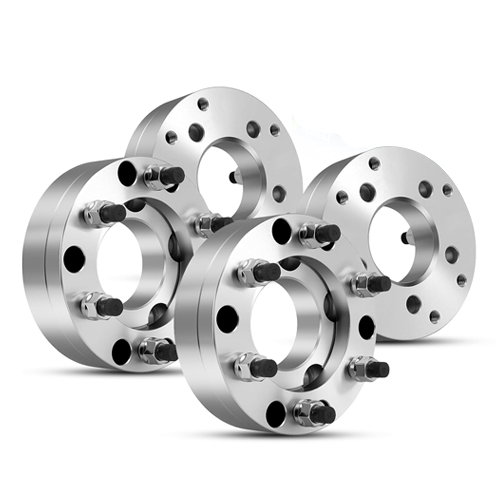
Wheel adapters serve as intermediary components that bridge the gap between incompatible wheel and hub specifications. These precision-engineered pieces allow vehicle owners to mount wheels with different bolt patterns, offsets, or hub bores than originally designed. The fundamental principle involves creating a new mounting surface that accommodates both the vehicle's existing hub pattern and the desired wheel configuration. Quality wheel adapters maintain proper load distribution while ensuring secure wheel attachment under various driving conditions.
The engineering behind wheel adapters requires precise manufacturing tolerances to ensure proper fit and function. Each adapter must account for multiple variables including bolt pattern conversion, hub bore matching, and offset adjustments. These components typically feature hub-centric designs that eliminate potential vibration issues while maintaining the structural integrity of the wheel mounting system. Professional-grade adapters undergo rigorous testing to verify their ability to handle the stresses associated with normal and performance driving scenarios.
Material Quality and Construction Standards
High-quality wheel adapters utilize aerospace-grade aluminum alloys or forged steel construction to ensure adequate strength and durability. The material selection significantly impacts the adapter's ability to withstand repeated stress cycles and environmental conditions. Premium manufacturers employ advanced machining techniques to achieve precise tolerances and smooth surface finishes that promote proper seating and reduce wear potential. The construction quality directly correlates with the adapter's long-term reliability and safety performance.
Surface treatments and protective coatings enhance the longevity of wheel adapters by preventing corrosion and maintaining dimensional stability. Anodizing processes for aluminum adapters provide excellent corrosion resistance while maintaining lightweight characteristics. Steel adapters often feature zinc plating or powder coating to protect against environmental degradation. These protective measures become particularly important in harsh climates or when exposed to road salt and moisture during winter driving conditions.
Real-World Fitting Challenges
Clearance Issues Beyond Specifications
Physical clearance problems frequently emerge even when specifications suggest compatibility between wheels and vehicle components. Brake caliper interference represents one of the most common fitment issues that specifications alone cannot predict. The complex geometry of modern brake systems, combined with varying wheel spoke designs, creates scenarios where adequate clearance calculations require physical verification. Even wheels with identical specifications may exhibit different clearance characteristics due to manufacturing tolerances and design variations.
Suspension component interference poses another challenge that extends beyond basic dimensional specifications. Control arms, tie rod ends, and stabilizer bars can create clearance conflicts that only become apparent during physical installation attempts. The dynamic nature of suspension movement adds complexity to clearance calculations, as components must clear during full range of motion including steering lock and suspension compression. These real-world constraints often necessitate adjustments to wheel adapter thickness or offset calculations.
Hub Bore Matching Complications
Hub bore compatibility involves more than simple diameter matching between the wheel center bore and adapter hub pilot. Manufacturing tolerances in both components can create fit conditions that range from too loose to interference fits. A properly hub-centric installation requires precise dimensional matching to prevent vibration and ensure proper load transfer. When hub bores don't align perfectly, hub rings or machining modifications may become necessary to achieve optimal fitment.
The importance of proper hub bore fit extends beyond vibration control to include safety considerations. Lug-centric installations place all mounting loads on the wheel bolts rather than distributing forces through the hub interface. This arrangement increases stress on individual fasteners and can lead to premature failure under demanding conditions. Quality wheel adapters prioritize hub-centric designs to maintain proper load distribution and enhance overall system reliability.
Performance Impact Assessment
Handling Characteristics and Driving Dynamics
Installing wheel adapters inevitably alters vehicle handling characteristics due to changes in track width, unsprung weight, and rotational inertia. Wider track width generally improves stability and cornering performance but may increase steering effort and road noise. The additional mass of wheel adapters contributes to unsprung weight, which can impact suspension response and ride quality. Understanding these trade-offs helps determine when the benefits of achieving desired wheel fitment outweigh potential performance compromises.
The thickness of wheel adapters directly influences these performance parameters, with thicker adapters producing more pronounced effects. Modest adapter thickness may provide beneficial handling improvements, while excessive thickness can create unwanted side effects including increased stress on wheel bearings and suspension components. Professional installation and proper torque specifications become critical factors in maintaining performance and safety standards when using wheel adapters of any thickness.
Load Distribution and Stress Analysis
Proper load distribution through wheel adapters requires careful attention to bolt pattern alignment and torque specifications. The introduction of an additional interface in the wheel mounting system creates new stress concentration points that must be properly managed. Each connection point must maintain adequate clamping force while avoiding over-torquing that could damage threads or create stress risers. Regular inspection and maintenance become essential practices for ensuring continued safe operation.
Stress analysis of wheel adapter installations reveals the importance of using appropriately rated components throughout the mounting system. Wheel bolts or studs must provide adequate length and strength to handle increased loads transmitted through the adapter interface. The adapter itself must distribute these loads evenly across its mounting surfaces to prevent localized stress concentrations. Professional-grade wheel adapters incorporate design features that optimize load paths and minimize stress concentrations under normal operating conditions.
Installation Best Practices
Proper Mounting Procedures
Correct installation of wheel adapters begins with thorough cleaning of all mating surfaces to ensure proper contact and prevent contamination. Any debris, corrosion, or surface irregularities can prevent proper seating and compromise the integrity of the connection. Thread preparation using anti-seize compounds helps prevent galling and ensures consistent torque values during installation. Following manufacturer-specified torque sequences and values becomes critical for achieving proper clamping force distribution.
The installation process requires systematic attention to detail throughout each step to ensure optimal results. Initial fitment verification should confirm proper clearances before final tightening procedures. Incremental torquing in multiple stages allows for even stress distribution and proper settling of components. Post-installation inspection should verify that all connections remain secure and that no interference issues have developed during the mounting process.
Ongoing Maintenance Requirements
Regular maintenance of wheel adapter installations involves periodic inspection of all connection points and verification of proper torque values. The repeated heating and cooling cycles experienced during normal driving can cause thermal expansion and contraction that may affect connection integrity. Scheduled retorquing procedures help maintain proper clamping force and prevent loosening over time. Visual inspection for signs of wear, corrosion, or damage should be performed regularly to identify potential issues before they become safety concerns.
Long-term maintenance also includes monitoring for any changes in vehicle behavior that might indicate developing problems with the wheel adapter installation. Unusual vibrations, noises, or handling characteristics may signal issues with the adapter system that require immediate attention. Professional inspection by qualified technicians can help identify subtle problems that might not be apparent during routine visual checks. Maintaining detailed records of installation dates, torque specifications, and inspection results helps ensure consistent maintenance practices.
Safety Considerations and Standards
Regulatory Compliance and Certification
Quality wheel adapters undergo extensive testing to meet or exceed industry safety standards and regulatory requirements. These standards address factors including material strength, fatigue resistance, and dimensional accuracy to ensure safe operation under various conditions. Certification marks from recognized testing organizations provide assurance that products meet established safety criteria. However, proper installation and maintenance remain essential factors in maintaining compliance with safety standards throughout the service life of wheel adapters.
Understanding applicable regulations helps ensure that wheel adapter installations comply with local vehicle safety requirements. Some jurisdictions have specific rules regarding wheel modifications that may affect the legality of using wheel adapters. Insurance considerations may also apply when making modifications to vehicle wheel systems. Consulting with automotive professionals familiar with local regulations can help navigate these requirements and ensure compliant installations.
Risk Assessment and Mitigation
Proper risk assessment for wheel adapter installations involves evaluating both the quality of components and the appropriateness of the application. High-performance driving applications place greater demands on wheel adapter systems and may require upgraded components or more frequent inspection intervals. Understanding the intended use helps determine appropriate safety margins and maintenance requirements for specific installations.
Risk mitigation strategies include using only high-quality components from reputable manufacturers, following proper installation procedures, and maintaining regular inspection schedules. Professional installation by experienced technicians can help identify potential issues and ensure proper procedures are followed. Keeping detailed maintenance records helps track the service history and identify any developing patterns that might indicate potential problems.
FAQ
How do I determine if wheel adapters are the right solution for my fitment needs
Determining whether wheel adapters are appropriate requires evaluating your specific fitment challenges and intended vehicle use. Start by precisely measuring the differences between your vehicle's hub specifications and your desired wheels. Consider factors including bolt pattern conversion requirements, offset adjustments needed, and any clearance issues with brake components or suspension parts. Consult with automotive professionals who can assess your specific situation and recommend appropriate solutions based on your vehicle's requirements and performance expectations.
What maintenance schedule should I follow for wheel adapter installations
Wheel adapter maintenance should include initial retorquing after the first 25-50 miles of driving to account for initial settling of components. Subsequently, inspect and verify torque values every 3,000-5,000 miles or during regular tire rotations. Visual inspections should check for signs of wear, corrosion, or loosening at each maintenance interval. More frequent inspections may be warranted for high-performance applications or harsh operating conditions. Any unusual vibrations, noises, or handling changes should prompt immediate professional inspection regardless of scheduled maintenance intervals.
Can wheel adapters affect my vehicle's warranty coverage
Vehicle warranty coverage related to wheel adapter installations varies depending on the manufacturer and specific warranty terms. Generally, modifications to vehicle systems may affect warranty coverage for related components, particularly if problems can be attributed to the modifications. Review your vehicle warranty documentation and consult with your dealer to understand how wheel adapter installations might affect coverage. Some manufacturers may honor warranty claims for unrelated components while excluding coverage for issues directly related to modifications.
What are the signs that wheel adapters may be failing or need replacement
Signs of potential wheel adapter problems include unusual vibrations that worsen with speed, clicking or grinding noises during turns, visible loosening of fasteners, or cracks in the adapter material. Changes in vehicle handling characteristics, such as pulling to one side or increased steering effort, may also indicate issues with the wheel adapter system. Any visible corrosion, deformation, or wear on adapter surfaces warrants immediate professional inspection. Regular torque checks can help identify loosening before it becomes a safety concern, as gradual loosening is often an early indicator of developing problems.