
 EN
EN
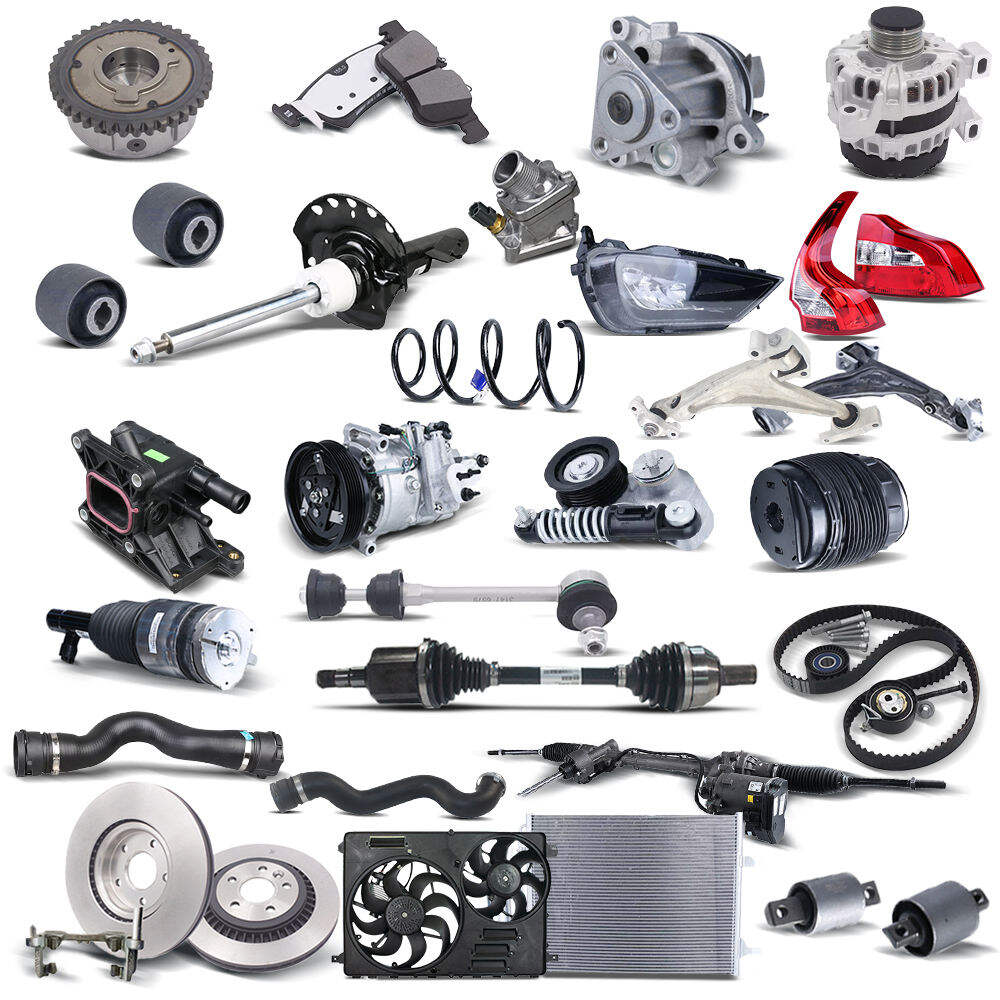
Modern automotive chassis design has undergone significant transformation over the past decade, with engineers continuously pushing boundaries to enhance vehicle performance, safety, and comfort. The evolution of chassis components reflects a sophisticated understanding of dynamic forces, material science, and manufacturing precision. At the heart of these advancements lies the critical role of suspension geometry and the fundamental components that enable precise wheel control and road handling characteristics.
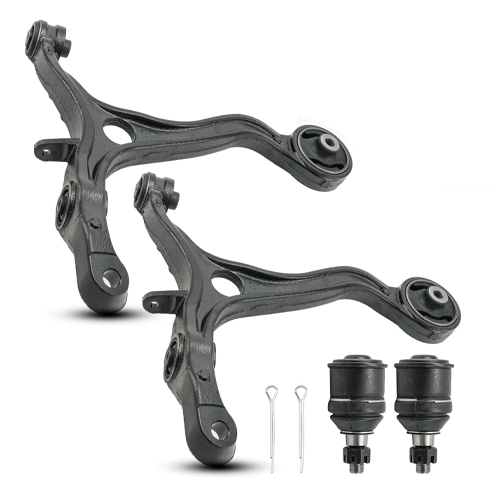
The contemporary automotive industry operates within increasingly stringent performance parameters that demand exceptional engineering solutions. Vehicle manufacturers must balance competing priorities including ride comfort, handling precision, durability requirements, and cost-effectiveness while meeting regulatory standards. These challenges have driven innovation in chassis component design, particularly in suspension systems where the control arm serves as a pivotal connection point between the vehicle body and wheels.
Today's chassis evolution represents a convergence of advanced materials, computational design methods, and manufacturing technologies. Engineers utilize sophisticated finite element analysis to optimize component geometries while maintaining structural integrity under extreme loading conditions. The resulting designs demonstrate remarkable improvements in performance characteristics while addressing the subtle limitations that have historically constrained chassis development.
Advanced Suspension Geometry Principles
Multi-Link Architecture Benefits
Modern multi-link suspension systems represent a significant advancement over traditional designs, offering superior control over wheel movement and alignment parameters. The control arm within these systems functions as a critical load-bearing member that defines suspension geometry while managing forces transmitted between the chassis and wheel assembly. Advanced multi-link configurations allow engineers to independently tune various suspension characteristics including camber change, toe variation, and roll center height.
The geometric relationships established by control arm positioning directly influence vehicle handling characteristics and ride quality. Precise control over instantaneous center locations enables engineers to minimize unwanted wheel movement patterns while optimizing tire contact patch behavior during cornering maneuvers. These geometric advantages translate into measurable improvements in vehicle stability, steering precision, and overall dynamic performance.
Manufacturing tolerances play a crucial role in realizing the theoretical benefits of advanced suspension geometry. The control arm must maintain precise dimensional accuracy to ensure proper alignment with other suspension components and preserve intended kinematic relationships. Modern production techniques enable manufacturers to achieve tighter tolerances while maintaining cost-effective manufacturing processes.
Force Distribution Mechanisms
The force distribution characteristics of modern suspension systems depend heavily on the structural design and material properties of individual components. Control arm assemblies must effectively manage multiple force vectors including longitudinal acceleration forces, lateral cornering loads, and vertical impacts from road irregularities. The geometric configuration of the control arm influences how these forces are transmitted to the vehicle chassis and affects overall structural efficiency.
Advanced finite element analysis enables engineers to optimize control arm designs for specific loading scenarios while minimizing weight and material usage. The resulting components demonstrate improved strength-to-weight ratios and enhanced durability under cyclic loading conditions. These optimizations contribute to overall vehicle efficiency while maintaining the structural integrity required for safe operation.
The integration of advanced materials such as aluminum alloys and high-strength steel compounds has enabled significant improvements in control arm performance characteristics. These materials offer superior fatigue resistance and corrosion protection while enabling more complex geometric configurations that optimize force distribution patterns throughout the suspension system.
Material Science Innovations
High-Strength Steel Applications
The adoption of advanced high-strength steel grades in control arm manufacturing has revolutionized component performance and durability characteristics. These materials enable engineers to reduce component weight while maintaining or improving structural strength and fatigue resistance. The control arm benefits significantly from these material advances, as the component must withstand millions of loading cycles over its operational lifetime while maintaining precise dimensional stability.
Modern steel alloys incorporate specific alloying elements that enhance material properties including yield strength, ultimate tensile strength, and corrosion resistance. The resulting control arm components demonstrate superior performance in harsh operating environments while providing extended service life. Manufacturing processes have been refined to accommodate these advanced materials while maintaining cost-effective production methods.
Heat treatment processes play a critical role in optimizing the mechanical properties of high-strength steel control arm components. Precise temperature control and cooling rates enable manufacturers to achieve desired hardness and strength characteristics while maintaining adequate ductility for impact resistance. These thermal processing techniques contribute significantly to overall component reliability and performance.
Aluminum Alloy Advantages
Aluminum alloy applications in control arm manufacturing offer significant weight reduction benefits while maintaining adequate structural strength for suspension applications. The reduced mass of aluminum control arm assemblies contributes to lower unsprung weight, which directly improves vehicle handling characteristics and ride quality. Advanced aluminum alloys demonstrate excellent corrosion resistance and dimensional stability under temperature variations.
The manufacturing processes for aluminum control arm components require specialized techniques to achieve proper material properties and dimensional accuracy. Precision casting and forging methods enable complex geometric configurations while maintaining structural integrity. Surface treatment processes enhance corrosion protection and provide improved aesthetic characteristics for visible suspension components.
Cost considerations continue to influence material selection decisions for control arm applications, with aluminum alloys offering long-term value through improved fuel efficiency and reduced maintenance requirements. The lifecycle benefits of aluminum components often justify higher initial costs through extended service intervals and enhanced performance characteristics.
Manufacturing Process Evolution
Precision Machining Techniques
Contemporary control arm manufacturing utilizes advanced machining techniques to achieve precise dimensional tolerances and surface finish requirements. Computer numerical control systems enable consistent production of complex geometries while maintaining tight quality standards. The precision achieved through modern machining processes directly impacts suspension performance and component longevity.
Multi-axis machining centers allow manufacturers to complete control arm components in single setups, reducing handling operations and improving dimensional accuracy. Advanced tooling systems and cutting strategies optimize material removal rates while maintaining surface integrity. These manufacturing improvements contribute to enhanced component quality and reduced production costs.
Quality control systems integrated with machining operations provide real-time monitoring of dimensional accuracy and surface finish parameters. Statistical process control methods ensure consistent component quality while identifying potential process variations before they affect product performance. These quality systems are essential for maintaining the precision required in modern control arm applications.
Assembly Integration Methods
Modern control arm assembly processes incorporate advanced joining techniques that ensure reliable connections between component elements while maintaining structural integrity under dynamic loading conditions. Welding processes utilize precise heat input control and automated positioning systems to achieve consistent joint quality. These manufacturing advances enable more complex control arm designs while maintaining production efficiency.
The integration of ball joints and bushing assemblies requires specialized installation techniques that preserve component alignment and preload characteristics. Precision tooling and calibrated torque specifications ensure proper assembly while preventing damage to sensitive components. Quality verification procedures confirm proper assembly and dimensional compliance before components enter final inspection processes.
Automated assembly systems reduce human error while improving consistency and production throughput. Robotic systems can position components with exceptional accuracy while applying precise forces during assembly operations. These automation advances contribute to enhanced product quality while reducing manufacturing costs for control arm assemblies.
Performance Optimization Strategies
Dynamic Response Characteristics
The dynamic response characteristics of modern suspension systems depend critically on the design and implementation of control arm assemblies. Engineers utilize sophisticated modeling techniques to predict component behavior under various loading scenarios and optimize designs for specific performance targets. The control arm serves as a fundamental element in determining overall suspension response and must be carefully tuned to achieve desired handling characteristics.
Finite element analysis enables detailed evaluation of stress distributions and deformation patterns under realistic loading conditions. These analysis techniques allow engineers to identify potential failure modes and optimize component designs before physical testing. The resulting control arm designs demonstrate improved durability while maintaining the flexibility required for effective suspension operation.
Testing protocols for control arm components include both laboratory and real-world evaluation methods to verify performance under actual operating conditions. Accelerated aging tests simulate extended service exposure while maintaining controlled conditions for data collection. These testing procedures ensure that control arm assemblies meet performance requirements throughout their intended service life.
Integration with Electronic Systems
Modern vehicle architecture increasingly incorporates electronic systems that interact with mechanical suspension components to enhance overall performance. Advanced stability control systems utilize sensor data to modify suspension behavior in real-time, requiring control arm assemblies that can accommodate rapid force variations while maintaining structural integrity. The integration of these systems represents a significant evolution in chassis design philosophy.
Sensor mounting provisions integrated into control arm designs enable precise monitoring of suspension position and loading conditions. These sensors provide critical feedback for electronic stability systems while requiring minimal additional space and weight. The control arm must accommodate sensor mounting requirements while maintaining its primary structural and kinematic functions.
Communication protocols between electronic systems and mechanical components require careful consideration during control arm design phases. Interface requirements must be established early in the development process to ensure compatibility with vehicle-level systems. These integration considerations influence both mechanical design parameters and manufacturing processes for modern control arm assemblies.
Future Development Trends
Lightweight Design Approaches
Future control arm development focuses heavily on weight reduction strategies that maintain or improve performance characteristics while reducing overall vehicle mass. Advanced topology optimization techniques enable engineers to identify optimal material distribution patterns that minimize weight while preserving structural strength. These computational design methods represent a significant advancement in component development methodology.
Composite material applications in control arm manufacturing offer potential weight savings while providing unique design flexibility for complex loading scenarios. Carbon fiber reinforced polymers demonstrate excellent strength-to-weight ratios and can be tailored for specific directional properties. The control arm represents an ideal application for these advanced materials due to its complex loading patterns and weight sensitivity.
Hybrid material concepts combining metallic and composite elements may provide optimal solutions for future control arm applications. These approaches enable engineers to utilize the best characteristics of different materials while minimizing individual limitations. Manufacturing processes for hybrid components require specialized techniques but offer significant performance advantages.
Smart Component Integration
The integration of smart technologies into control arm assemblies represents a significant opportunity for enhanced vehicle performance and monitoring capabilities. Embedded sensors can provide real-time data on component stress levels, temperature conditions, and operational parameters. This information enables predictive maintenance strategies and optimal performance tuning throughout the component lifecycle.
Adaptive control arm designs that can modify their characteristics based on driving conditions or vehicle requirements represent the ultimate evolution of suspension technology. These systems would require sophisticated control algorithms and reliable actuation mechanisms integrated into the control arm structure. The development of such systems requires advances in materials science, electronic control systems, and manufacturing processes.
Connectivity features enable control arm assemblies to communicate with broader vehicle systems and external infrastructure networks. This communication capability supports advanced driver assistance systems and autonomous vehicle technologies while providing enhanced diagnostic capabilities. The control arm becomes an intelligent component that contributes to overall vehicle intelligence and safety systems.
FAQ
What factors determine control arm replacement intervals
Control arm replacement intervals depend on multiple factors including vehicle usage patterns, operating environment conditions, and component design specifications. Typical replacement intervals range from 60,000 to 100,000 miles under normal operating conditions, but severe duty applications may require more frequent replacement. Regular inspection of control arm components can identify wear patterns before failure occurs, enabling proactive maintenance strategies that prevent more extensive damage to suspension systems.
How do control arms affect vehicle handling performance
Control arms directly influence vehicle handling characteristics through their impact on suspension geometry and wheel positioning. Worn or damaged control arm components can cause irregular tire wear, steering instability, and reduced cornering performance. The control arm maintains precise wheel alignment during suspension travel, and any deterioration in component condition affects the suspension system's ability to maintain optimal tire contact with the road surface during dynamic maneuvers.
What maintenance procedures extend control arm service life
Proper maintenance procedures for control arm assemblies include regular inspection of bushing condition, ball joint wear, and structural integrity. Lubrication of serviceable components according to manufacturer specifications helps prevent premature wear and maintains optimal performance characteristics. Environmental protection through regular cleaning and inspection helps identify potential corrosion issues before they compromise component integrity. Professional inspection during routine maintenance intervals ensures early detection of wear patterns that could affect vehicle safety and performance.
Are aftermarket control arms comparable to original equipment components
Aftermarket control arm quality varies significantly depending on manufacturer specifications and quality control standards. Premium aftermarket components often match or exceed original equipment performance while providing cost advantages and enhanced features. However, inferior aftermarket products may compromise vehicle safety and performance through inadequate materials or manufacturing processes. Selection of aftermarket control arm components should consider manufacturer reputation, warranty coverage, and compatibility with specific vehicle applications to ensure optimal performance and reliability.