
 EN
EN

When drone operations shift from casual flying to mission-critical applications, the entire approach to selecting drone parts undergoes a fundamental transformation. Rather than prioritizing cost or convenience, operators must evaluate components based on reliability, performance specifications, and compatibility with specific operational requirements. This paradigm shift affects everything from motor selection to flight controller specifications, demanding a more strategic approach to building and maintaining unmanned aerial systems.
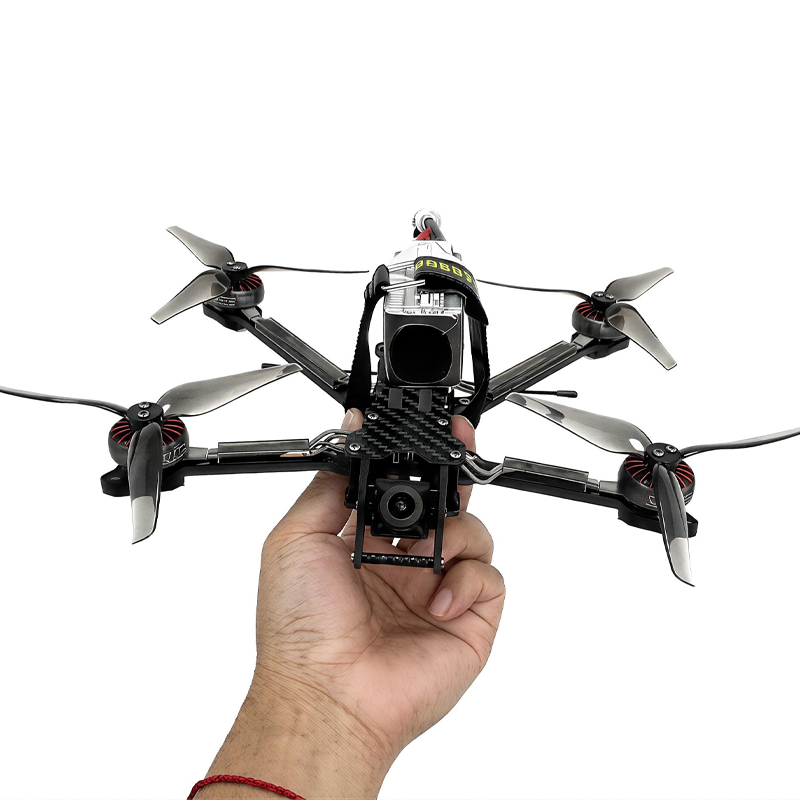
Mission-focused drone parts selection requires operators to consider factors beyond basic functionality. Environmental conditions, payload requirements, flight duration expectations, and safety protocols all influence component choices. Professional operators understand that selecting appropriate drone parts directly impacts mission success rates, operational costs, and regulatory compliance. The transition from recreational to professional use demands a comprehensive understanding of how each component contributes to overall system performance and reliability.
Performance-Driven Component Selection Strategies
Motor and Propulsion System Considerations
Motor selection represents one of the most critical decisions in mission-oriented drone parts procurement. Unlike recreational applications where standard brushless motors might suffice, professional missions require precise torque specifications, thermal management capabilities, and consistent performance across varying environmental conditions. High-quality motors with superior magnetic materials and advanced cooling systems ensure reliable operation during extended missions while maintaining precise thrust control necessary for professional applications.
Propulsion efficiency becomes paramount when missions involve specific payload requirements or extended flight times. Professional operators analyze motor specifications including KV ratings, current consumption patterns, and thermal characteristics to match propulsion systems with mission parameters. The relationship between motor selection and battery performance significantly impacts overall system efficiency, making integrated component analysis essential for optimal drone parts configuration.
Flight Controller and Navigation Systems
Mission-critical applications demand flight controllers with enhanced processing capabilities, multiple redundancy systems, and advanced sensor integration. Professional-grade flight controllers incorporate sophisticated algorithms for autonomous navigation, obstacle avoidance, and mission planning execution. These systems must handle complex computational tasks while maintaining real-time responsiveness to changing flight conditions and operator commands.
Advanced navigation systems integrate multiple positioning technologies including GPS, GLONASS, and inertial measurement units to ensure accurate positioning even in challenging environments. Professional drone parts specifications for navigation systems include considerations for magnetic interference resistance, temperature stability, and integration capabilities with external sensors or communication systems. The reliability of these components directly influences mission success rates and operational safety margins.
Environmental Adaptability and Durability Requirements
Weather Resistance and Protection Systems
Professional missions often require operations in diverse weather conditions, necessitating drone parts with enhanced environmental protection ratings. Waterproof electronic speed controllers, sealed motor housings, and protective coatings for sensitive components become essential considerations. The selection process must evaluate ingress protection ratings, operating temperature ranges, and humidity tolerance specifications to ensure reliable performance across various environmental conditions.
Corrosion resistance becomes particularly important for maritime operations or industrial environments where chemical exposure might compromise standard drone parts. Specialized materials and protective coatings extend operational life while maintaining performance standards required for professional applications. Component durability directly impacts maintenance schedules, operational costs, and mission availability, making environmental protection a critical selection criterion.
Structural Integrity and Load Management
Frame construction and structural drone parts must accommodate specific payload requirements while maintaining flight characteristics necessary for mission completion. Carbon fiber components offer superior strength-to-weight ratios compared to standard materials, enabling larger payloads without compromising flight performance. Professional operators analyze stress distribution patterns and load factors to select appropriate structural components for their specific mission profiles.
Vibration dampening systems become crucial when carrying sensitive equipment such as high-resolution cameras or scientific instruments. Specialized mounting systems and isolation components protect payloads from rotor-induced vibrations that could compromise data quality or equipment functionality. The integration of these protective systems requires careful consideration of weight distribution and aerodynamic impacts on overall flight performance.
Power Management and Energy Efficiency Optimization
Battery Technology and Configuration
Mission-oriented operations require sophisticated power management systems that go beyond basic battery selection. Professional drone parts include intelligent battery management systems with cell-level monitoring, thermal protection, and predictive analytics for maintenance scheduling. Lithium polymer batteries with high energy density and discharge rate capabilities provide the power requirements necessary for professional applications while maintaining safety standards.
Battery configuration strategies consider factors such as redundancy requirements, hot-swappable capabilities, and charging infrastructure compatibility. Professional operations often require rapid turnaround times between missions, making fast-charging capabilities and battery management systems critical selection criteria. The integration of multiple battery systems provides operational flexibility while ensuring mission completion capability even with partial power system failures.
Power Distribution and Safety Systems
Professional drone parts include sophisticated power distribution boards with overcurrent protection, voltage regulation, and system monitoring capabilities. These components ensure stable power delivery to all subsystems while providing diagnostic information for preventive maintenance programs. Advanced power management systems include failsafe mechanisms that protect critical components during power system anomalies or emergency situations.
Redundant power systems become essential for mission-critical applications where system failure could result in significant operational consequences. Dual power distribution architectures with automatic switching capabilities ensure continued operation even when primary power systems experience failures. The selection of appropriate power management drone parts directly influences system reliability and operational safety margins required for professional applications.
Communication and Data Management Systems
Telemetry and Control Link Technologies
Professional missions require robust communication systems capable of maintaining reliable links over extended ranges while transmitting high-bandwidth data streams. Advanced radio systems with frequency hopping, encryption capabilities, and interference resistance ensure secure communications in challenging electromagnetic environments. The selection of appropriate communication drone parts must consider regulatory compliance, range requirements, and data transmission capabilities necessary for specific mission profiles.
Redundant communication systems provide operational backup capabilities when primary links experience interference or range limitations. Professional operators often implement multiple communication technologies including cellular, satellite, and traditional radio frequency systems to ensure mission completion capability under various operational scenarios. The integration of these systems requires careful consideration of antenna placement, power consumption, and interference management strategies.
Data Processing and Storage Solutions
Mission-critical applications generate substantial amounts of data requiring sophisticated onboard processing and storage capabilities. High-capacity storage systems with solid-state technology provide reliable data preservation while withstanding the vibration and environmental stresses associated with aerial operations. Advanced processing capabilities enable real-time data analysis and autonomous decision-making during mission execution.
Edge computing capabilities integrated into drone parts enable sophisticated data processing without requiring constant communication links to ground control stations. These systems can process imagery, sensor data, and navigation information in real-time to support autonomous mission execution and adaptive flight planning. The selection of appropriate processing and storage components must balance computational capabilities with power consumption and thermal management requirements.
Quality Assurance and Certification Considerations
Manufacturing Standards and Testing Protocols
Professional drone parts must meet stringent manufacturing standards and quality assurance protocols that exceed consumer-grade specifications. Components certified for aerospace applications undergo extensive testing including vibration analysis, thermal cycling, and electromagnetic compatibility verification. These certification processes ensure reliable performance under the demanding conditions associated with professional drone operations.
Traceability requirements for professional applications necessitate comprehensive documentation of component origins, manufacturing processes, and quality control measures. Professional operators require detailed specifications, test reports, and certification documentation to ensure regulatory compliance and operational safety standards. The selection process must verify that drone parts meet applicable industry standards and regulatory requirements for specific operational environments.
Maintenance and Lifecycle Management
Professional operations require predictable maintenance schedules and component lifecycle management to ensure consistent operational availability. Drone parts designed for professional applications include diagnostic capabilities and wear indicators that enable proactive maintenance scheduling. Advanced components provide operational data that supports predictive maintenance programs and inventory management strategies.
Spare parts availability and supply chain reliability become critical considerations for professional operations where equipment downtime directly impacts mission capability. Professional drone parts suppliers provide comprehensive support including technical documentation, training resources, and responsive customer service to minimize operational disruptions. The total cost of ownership analysis must consider not only initial component costs but also maintenance requirements, availability, and support infrastructure.
Integration and Compatibility Management
System-Level Integration Challenges
Professional drone operations require seamless integration between multiple subsystems and components from various manufacturers. Compatibility verification becomes essential to ensure optimal performance and prevent system conflicts that could compromise mission success. Professional operators must evaluate electrical interfaces, communication protocols, and mechanical mounting systems to achieve proper integration of drone parts from different sources.
Software integration requirements add complexity to professional drone parts selection processes. Flight control systems must interface properly with sensors, communication equipment, and payload systems while maintaining real-time performance requirements. Professional applications often require custom software development and integration testing to ensure all components work together effectively under operational conditions.
Scalability and Future Upgrade Pathways
Mission-focused drone parts selection must consider future operational requirements and technology evolution pathways. Modular architectures enable systematic upgrades and capability enhancements without requiring complete system replacement. Professional operators evaluate expansion capabilities, interface standardization, and backward compatibility to ensure long-term operational flexibility and investment protection.
Technology roadmaps and manufacturer development plans influence professional drone parts selection decisions. Components with clear upgrade pathways and continued manufacturer support provide better long-term value compared to proprietary systems with limited expansion capabilities. The selection process must balance current performance requirements with future operational needs and technology advancement expectations.
FAQ
How do mission requirements influence drone parts selection criteria?
Mission requirements fundamentally reshape drone parts selection by prioritizing reliability, performance specifications, and environmental compatibility over cost considerations. Professional operators must evaluate components based on specific operational parameters including payload capacity, flight duration, environmental conditions, and safety requirements rather than focusing primarily on price or convenience factors that might influence recreational purchases.
What quality standards should professional drone parts meet?
Professional drone parts should meet aerospace industry standards including appropriate certifications for electromagnetic compatibility, environmental protection ratings, and manufacturing quality controls. Components must undergo rigorous testing protocols including vibration analysis, thermal cycling, and performance verification under operational conditions. Certification documentation and traceability requirements ensure regulatory compliance and operational safety standards necessary for professional applications.
How important is component compatibility in professional drone systems?
Component compatibility represents a critical factor in professional drone parts selection as system integration failures can compromise mission success and operational safety. Professional operators must verify electrical interfaces, communication protocols, software integration requirements, and mechanical mounting systems to ensure seamless operation between components from different manufacturers. Proper integration testing and validation procedures prevent system conflicts and performance degradation.
What role does maintenance planning play in drone parts selection?
Maintenance planning significantly influences professional drone parts selection by requiring components with predictable lifecycle characteristics, diagnostic capabilities, and reliable spare parts availability. Professional operators evaluate total cost of ownership including maintenance requirements, component replacement schedules, and support infrastructure when selecting drone parts. Predictive maintenance capabilities and comprehensive supplier support minimize operational downtime and ensure consistent mission readiness.