 EN
EN
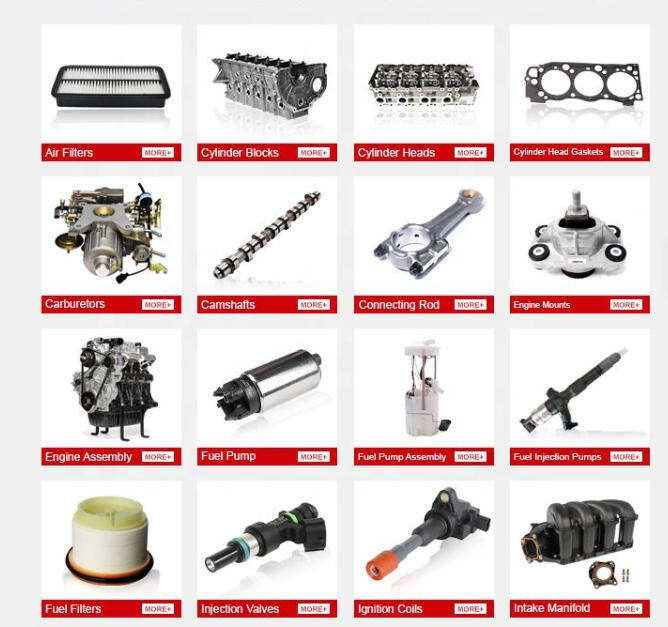
Protecting critical engine components requires a comprehensive understanding of preventive maintenance practices that address the fundamental systems keeping your engine running smoothly. Engine components face constant stress from heat, friction, contamination, and wear, making regular maintenance essential for preventing costly failures and extending operational life. The most effective maintenance practices focus on creating barriers against contamination, ensuring proper lubrication, maintaining optimal operating temperatures, and monitoring component condition before problems develop into major repairs.
The foundation of engine component protection lies in understanding that every maintenance practice serves multiple protective functions simultaneously. When you maintain clean air filtration, you protect pistons, cylinders, and valves from abrasive particles. When you ensure proper oil circulation, you protect bearings, camshafts, and crankshafts from metal-to-metal contact. This interconnected nature of engine systems means that neglecting one maintenance area often compromises multiple engine components, creating cascading failures that could have been prevented through systematic care.
Air System Maintenance for Component Protection
Air Filter Replacement and Inspection Protocols
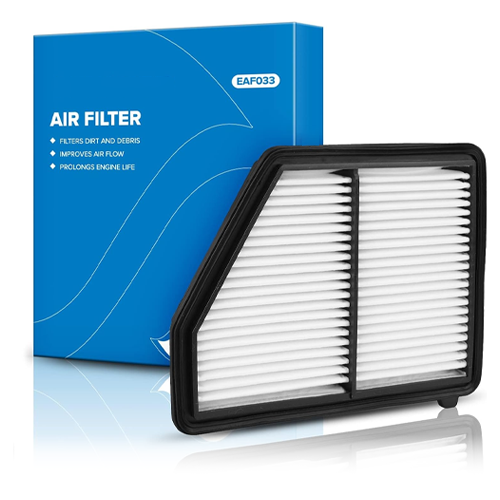
Air filtration represents the first line of defense for critical engine components, particularly those in the combustion chamber where contamination causes the most immediate damage. A properly maintained air filter prevents abrasive particles from entering the intake system, protecting pistons, cylinder walls, intake valves, and combustion chambers from premature wear. The replacement schedule for air filters depends on operating conditions, but most engine components benefit from filter changes every 12,000 to 15,000 miles under normal conditions, with more frequent replacement required in dusty or harsh environments.
Visual inspection of air filters reveals important information about the protection level your engine components are receiving. A filter that appears heavily loaded with dirt and debris indicates that contamination levels are high, suggesting more frequent replacement intervals may be necessary. Conversely, a filter that remains relatively clean after extended use might indicate either excellent operating conditions or potential air leakage around the filter housing that allows unfiltered air to bypass the filtration system entirely.
Intake System Cleaning and Maintenance
Beyond filter replacement, comprehensive intake system maintenance protects engine components by ensuring optimal airflow and preventing contamination buildup in areas where filters cannot reach. Throttle body cleaning removes carbon deposits that can affect air metering and create uneven combustion, which stresses pistons and valves unnecessarily. Mass airflow sensor cleaning ensures accurate air measurement, preventing fuel mixture problems that can damage engine components through lean or rich combustion conditions.
Intake manifold inspection and cleaning addresses contamination that accumulates over time, particularly in engines with positive crankcase ventilation systems that can introduce oil vapors into the intake tract. This maintenance practice protects intake valves from carbon buildup and ensures even air distribution to all cylinders, preventing uneven wear patterns across engine components that share the same crankshaft and lubrication system.
Lubrication System Maintenance Strategies
Oil Change Intervals and Quality Selection
Engine oil serves as the primary protector for most critical engine components, forming protective films that prevent metal-to-metal contact while carrying away heat and contamination. The selection of appropriate oil viscosity and quality directly impacts the protection level provided to bearings, camshafts, timing chains, and hydraulic valve lifters. Modern engine components often require specific oil formulations that meet manufacturer specifications, with conventional, synthetic blend, or full synthetic options each providing different levels of protection under various operating conditions.
Oil change intervals must balance cost considerations with component protection, recognizing that extended intervals may compromise the protective properties needed by precision engine components. Severe service conditions, including frequent short trips, extreme temperatures, or dusty environments, require more frequent oil changes to maintain adequate protection for engine components that operate under increased stress. Oil analysis services can provide objective data about oil condition and contamination levels, helping optimize change intervals for maximum component protection.
Oil Filter Selection and Replacement
Oil filter selection directly affects the cleanliness of oil circulating through engine components, with higher-quality filters providing better protection against particulate contamination that causes bearing wear and surface damage. Full-flow filters handle the majority of oil circulation, while some engines incorporate bypass filters that provide additional cleaning for a portion of the oil flow. Understanding your engine's filtration system helps ensure that filter replacement schedules align with the protection needs of critical components.
Filter bypass valves, designed to maintain oil flow when filters become restricted, can compromise engine component protection if filters are not replaced promptly. A restricted filter forces oil to bypass filtration entirely, circulating contaminated oil directly to sensitive engine components like journal bearings and camshaft lobes. Regular filter replacement prevents bypass valve activation and maintains consistent filtration protection for all lubricated engine components.
Cooling System Maintenance for Thermal Protection
Coolant System Flushing and Replacement
Cooling system maintenance protects engine components from thermal stress and corrosion damage that can cause catastrophic failures. Engine components like cylinder heads, engine blocks, and gaskets depend on consistent coolant circulation to maintain safe operating temperatures and prevent thermal expansion problems. Coolant replacement schedules typically range from 30,000 to 100,000 miles depending on coolant type, but the protection provided to engine components degrades gradually as coolant ages and loses its inhibitor package effectiveness.
Coolant contamination from rust, scale, or oil leakage can block cooling passages and reduce heat transfer efficiency, causing localized hot spots that damage engine components through thermal stress. Complete system flushing removes accumulated contamination and ensures that fresh coolant can circulate freely to all areas where engine components require thermal protection. This maintenance practice is particularly critical for aluminum engine components that are more susceptible to corrosion and thermal damage than cast iron alternatives.
Thermostat and Water Pump Maintenance
Thermostat operation directly affects the thermal protection provided to engine components by controlling coolant flow and maintaining optimal operating temperatures. A thermostat that opens too early reduces engine efficiency and increases wear on engine components that depend on reaching proper operating temperature. Conversely, a thermostat that fails to open adequately can cause overheating that damages multiple engine components simultaneously, including cylinder heads, pistons, and valve seats.
Water pump maintenance ensures adequate coolant circulation to protect all engine components that generate or transfer heat during operation. Water pump bearing wear or impeller damage reduces coolant flow, creating conditions where some engine components may overheat while others remain adequately cooled. Regular inspection of water pump operation, including checking for leakage and noise, helps identify potential problems before they compromise the thermal protection needed by critical engine components.
Fuel System Maintenance for Component Longevity
Fuel Filter Replacement and Fuel Quality Management
Fuel system cleanliness directly impacts the protection of engine components exposed to combustion byproducts and fuel contaminants. Clean fuel injection systems ensure proper fuel atomization and combustion characteristics that protect pistons, valves, and combustion chambers from carbon deposits and thermal damage. Fuel filter replacement removes particles and water that could damage precision fuel injection components while ensuring consistent fuel delivery to all cylinders for even combustion loading across engine components.
Fuel quality affects the combustion characteristics that determine the thermal and chemical stress experienced by engine components during operation. Poor quality fuel or fuel contamination can create deposits on intake valves, combustion chambers, and exhaust valves that interfere with heat transfer and create hot spots damaging to engine components. Using quality fuel sources and appropriate fuel additives helps maintain clean combustion that protects engine components from premature wear and damage.
Injector Cleaning and Calibration
Fuel injector maintenance ensures proper fuel delivery patterns that protect engine components from uneven combustion stress and fuel-related contamination. Clogged or misdirecting injectors create lean or rich combustion conditions that can damage pistons, exhaust valves, and catalytic converters through abnormal combustion temperatures and pressures. Professional injector cleaning or replacement restores proper fuel delivery characteristics that protect engine components through optimal combustion conditions.
Injector calibration affects the fuel mixture delivered to each cylinder, with imbalances creating uneven loading across engine components that share common systems like the crankshaft and cooling system. Regular injector service helps maintain uniform fuel delivery that protects engine components from excessive wear caused by combustion imbalances that stress some components more heavily than others.
Preventive Inspection and Monitoring Practices
Belt and Hose Inspection Schedules
Drive belt maintenance protects engine components by ensuring reliable operation of essential systems like cooling, charging, and power steering that support engine operation. Timing belt replacement prevents catastrophic engine damage that occurs when belt failure allows pistons and valves to collide, destroying multiple engine components simultaneously. Accessory belt maintenance ensures that cooling system and charging system components operate reliably to support the thermal and electrical needs of engine components.
Cooling system hoses require regular inspection to prevent coolant loss that could cause overheating damage to multiple engine components. Hose failure often occurs gradually through deterioration of inner liner materials that can contaminate the cooling system and reduce the thermal protection provided to engine components. Scheduled hose replacement prevents sudden coolant loss that could cause immediate overheating damage to cylinder heads, gaskets, and other temperature-sensitive engine components.
Engine Mount and Vibration Control
Engine mount maintenance protects engine components from excessive vibration and movement that can cause fatigue damage and premature wear. Worn engine mounts allow increased engine movement that stresses connections to exhaust systems, fuel lines, and electrical harnesses, potentially causing damage that affects engine component protection. Proper engine mounting also ensures optimal alignment of drive belts and other engine-driven accessories that support the operation of engine components.
Vibration damping provided by properly functioning engine mounts reduces stress on internal engine components like bearings, timing chains, and valve train components that operate under precise tolerances. Excessive vibration from worn mounts can accelerate wear in precision engine components and create resonance conditions that amplify stress on components not designed to handle increased vibrational loading during normal operation.
FAQ
How often should I change my engine oil to protect critical engine components?
Engine oil change intervals for optimal engine component protection typically range from 3,000 to 10,000 miles depending on oil type, driving conditions, and manufacturer recommendations. Conventional oil generally requires changes every 3,000 to 5,000 miles, while full synthetic oil can protect engine components for 7,500 to 10,000 miles under normal conditions. Severe driving conditions, including frequent short trips, extreme temperatures, or dusty environments, require more frequent oil changes to maintain adequate protection for precision engine components like bearings and camshafts.
What are the most critical maintenance practices for protecting engine components from contamination?
The most critical contamination protection practices include regular air filter replacement to prevent abrasive particles from entering combustion chambers, timely oil and oil filter changes to remove metal particles and combustion byproducts, and fuel filter replacement to prevent fuel system contamination from reaching injectors and combustion chambers. Additionally, cooling system maintenance prevents corrosion and scale buildup that can block cooling passages and compromise thermal protection for engine components.
How can I tell if my current maintenance schedule is adequately protecting my engine components?
Signs of adequate engine component protection include clean oil that maintains proper viscosity between changes, air filters that show appropriate loading without bypass evidence, stable operating temperatures, and smooth engine operation without unusual noises or vibrations. Oil analysis services can provide objective data about wear metals and contamination levels, while regular compression testing can reveal the condition of piston rings, valves, and cylinder walls. Monitoring fuel economy and emissions can also indicate whether engine components are operating efficiently under current maintenance practices.
What maintenance practices are most important for high-mileage engines to protect remaining engine component life?
High-mileage engines benefit most from more frequent oil changes using high-mileage formulation oils that help condition seals and reduce oil consumption, closer monitoring of cooling system condition to prevent overheating that could damage worn engine components, and more frequent inspection of belts and hoses that may be approaching end-of-life. Additionally, using fuel system cleaners and maintaining clean air filtration becomes increasingly important as engine component tolerances may have increased due to normal wear, making contamination protection more critical for preventing accelerated deterioration.
Table of Contents
- Air System Maintenance for Component Protection
- Lubrication System Maintenance Strategies
- Cooling System Maintenance for Thermal Protection
- Fuel System Maintenance for Component Longevity
- Preventive Inspection and Monitoring Practices
-
FAQ
- How often should I change my engine oil to protect critical engine components?
- What are the most critical maintenance practices for protecting engine components from contamination?
- How can I tell if my current maintenance schedule is adequately protecting my engine components?
- What maintenance practices are most important for high-mileage engines to protect remaining engine component life?