
 EN
EN
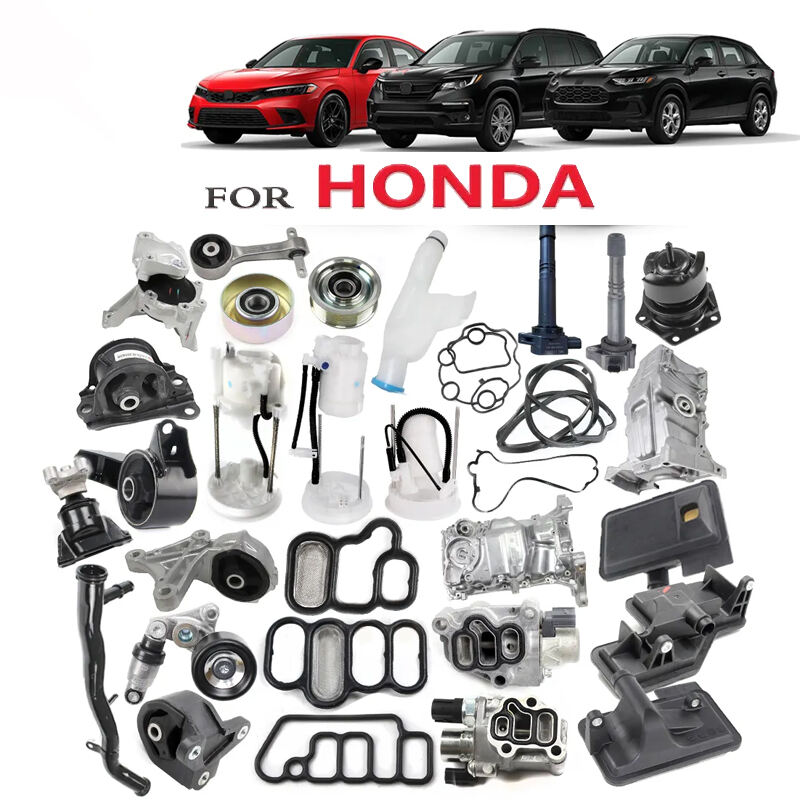
Essential Strategies for Automotive Parts Procurement Success
The automotive aftermarket industry continues to evolve rapidly, making effective auto parts sourcing more crucial than ever for dealers. With global supply chains becoming increasingly complex and customer demands growing more sophisticated, dealers must navigate numerous challenges to maintain a competitive edge. Understanding the fundamental aspects of auto parts sourcing can mean the difference between thriving and merely surviving in this dynamic market.
The landscape of automotive parts procurement has transformed dramatically in recent years, driven by technological advances, changing consumer behaviors, and global market forces. Dealers who master the art of strategic sourcing position themselves to capture greater market share while maintaining healthy profit margins.
Building Strong Supplier Relationships
Evaluating Supplier Credentials and Reliability
Success in auto parts sourcing begins with selecting the right suppliers. Established suppliers should demonstrate a proven track record of reliability, quality control measures, and industry certifications. When evaluating potential partners, consider their financial stability, production capacity, and ability to meet delivery schedules consistently.
Modern supplier relationships extend beyond simple transactions. The best partnerships involve collaborative planning, shared technology platforms, and mutual commitment to quality improvement. Regular supplier audits and performance reviews help maintain high standards and identify areas for enhancement.
Negotiating Favorable Terms and Conditions
Effective negotiation strategies play a vital role in auto parts sourcing success. Beyond securing competitive pricing, dealers should focus on payment terms, minimum order quantities, and warranty agreements. Volume-based discounts, early payment incentives, and exclusive territory rights can significantly impact profitability.
Long-term contracts often provide stability and predictability in pricing and supply. However, flexibility clauses should be included to address market fluctuations and unexpected challenges. Building strong relationships often leads to preferential treatment during supply shortages or market disruptions.
Quality Assurance and Compliance
Implementing Quality Control Measures
Quality control remains paramount in auto parts sourcing. Establishing comprehensive inspection protocols helps ensure that all received parts meet specifications and industry standards. This includes regular testing, documentation of quality metrics, and clear procedures for handling non-conforming items.
Advanced quality management systems can track defect rates, supplier performance, and compliance with industry regulations. Integration of digital tools and automation can streamline quality control processes while reducing human error and operational costs.
Meeting Regulatory Requirements
The automotive industry faces strict regulatory oversight, making compliance a critical aspect of auto parts sourcing. Dealers must ensure all sourced parts meet applicable safety standards, environmental regulations, and certification requirements. This includes maintaining proper documentation and traceability throughout the supply chain.
Staying current with changing regulations and industry standards requires ongoing education and system updates. Proactive compliance management helps avoid costly recalls, legal issues, and damage to reputation.

Inventory Management Optimization
Demand Forecasting and Planning
Successful auto parts sourcing relies heavily on accurate demand forecasting. Advanced analytics and historical data help predict seasonal variations, market trends, and customer preferences. This information guides purchasing decisions and inventory levels, reducing both stockouts and excess inventory.
Modern inventory management systems can automatically trigger reorders based on predetermined thresholds, taking into account lead times and safety stock requirements. Integration with supplier systems enables real-time visibility of availability and delivery schedules.
Storage and Distribution Strategies
Efficient warehouse management and distribution networks are crucial for auto parts sourcing operations. Strategic placement of distribution centers, optimized picking routes, and automated storage systems can significantly reduce handling costs and improve order fulfillment speed.
Implementation of warehouse management systems (WMS) helps track inventory movement, minimize errors, and maximize space utilization. Cross-docking and just-in-time delivery strategies can further optimize operations and reduce carrying costs.
Technology Integration and Digital Solutions
E-commerce and Online Procurement
Digital transformation has revolutionized auto parts sourcing. E-commerce platforms and online marketplaces provide access to global supplier networks, competitive pricing, and streamlined ordering processes. Integration with supplier catalogs enables real-time price comparisons and availability checks.
Mobile applications and customer portals enhance the buying experience while providing valuable data on purchasing patterns and preferences. Digital solutions also facilitate better communication and collaboration with suppliers and customers.
Supply Chain Visibility Tools
Advanced tracking and monitoring systems provide end-to-end visibility in the auto parts sourcing process. Real-time updates on order status, shipment location, and inventory levels help manage expectations and reduce supply chain disruptions.
Blockchain technology and IoT devices are increasingly being adopted to enhance transparency and traceability in the supply chain. These innovations help combat counterfeit parts and ensure authenticity throughout the distribution network.
Frequently Asked Questions
How can dealers ensure consistent quality in sourced auto parts?
Dealers can maintain quality consistency by implementing rigorous supplier verification processes, regular quality audits, and comprehensive testing protocols. Additionally, establishing clear quality metrics and maintaining strong communication channels with suppliers helps address issues proactively.
What role does technology play in modern auto parts sourcing?
Technology serves as a cornerstone in modern auto parts sourcing by enabling automated inventory management, real-time supply chain visibility, efficient procurement processes, and enhanced supplier collaboration. Digital solutions help optimize operations and improve decision-making through data analytics.
How important is supplier diversification in auto parts sourcing?
Supplier diversification is crucial for risk management and maintaining competitive advantage. Having multiple reliable suppliers helps ensure continuity of supply, provides pricing leverage, and reduces vulnerability to disruptions in specific geographic regions or market segments.