High-Performance Gear Steering Systems: Reliable Mechanical Control Solutions

All Categories

Get a Free Quote

Our representative will contact you soon.
Email
Name
Company Name
Message
0/1000

gear steering

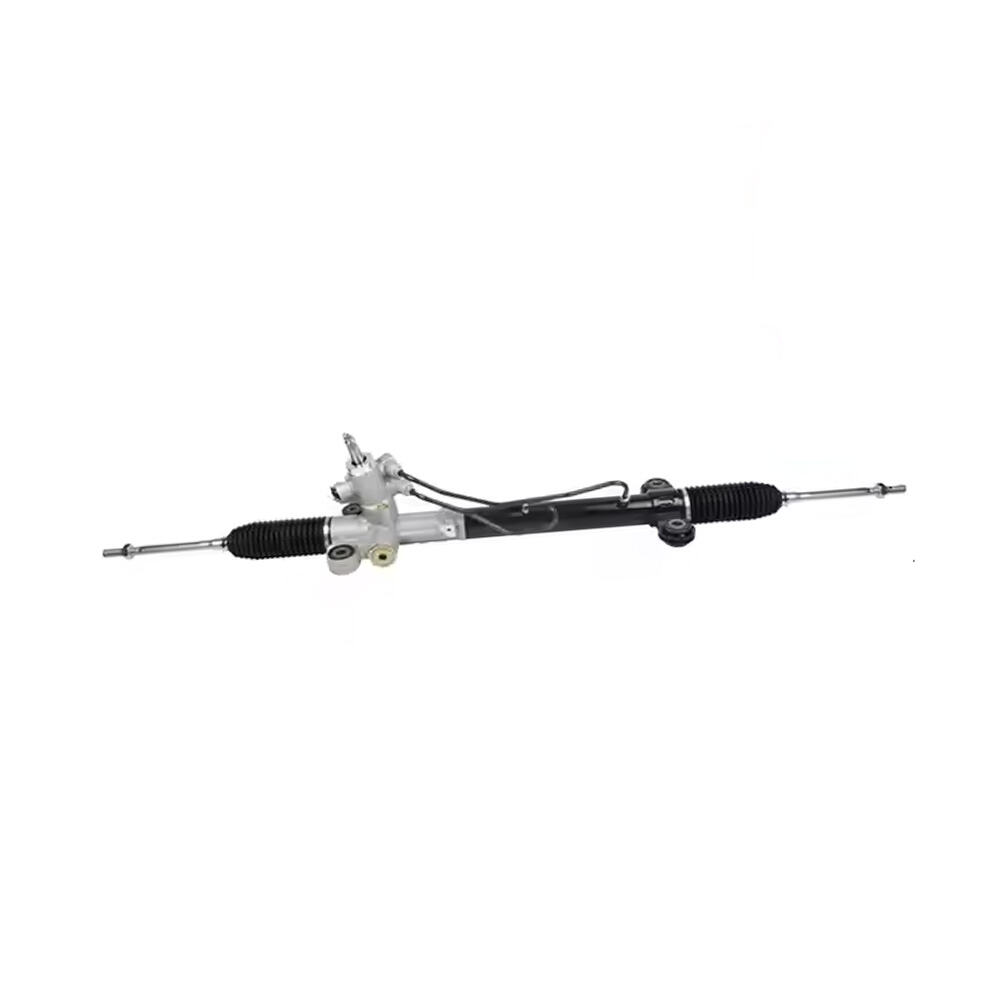
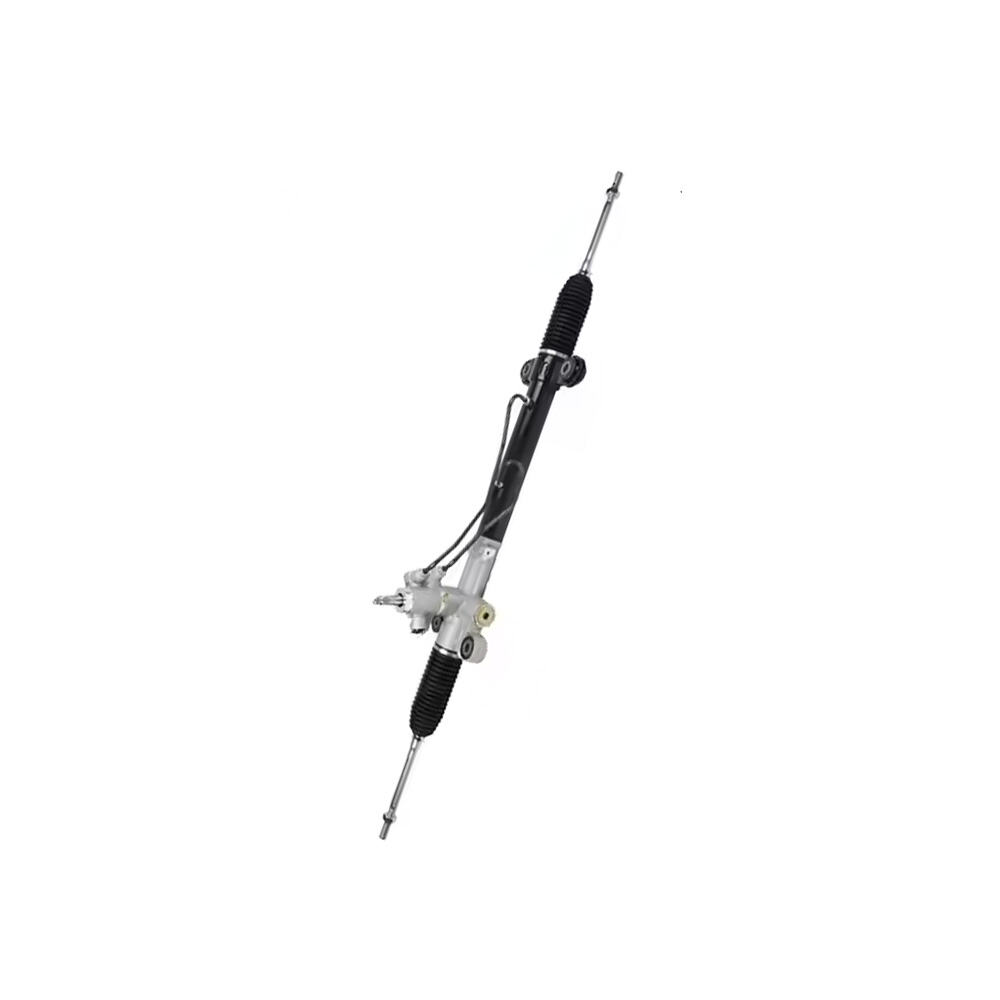
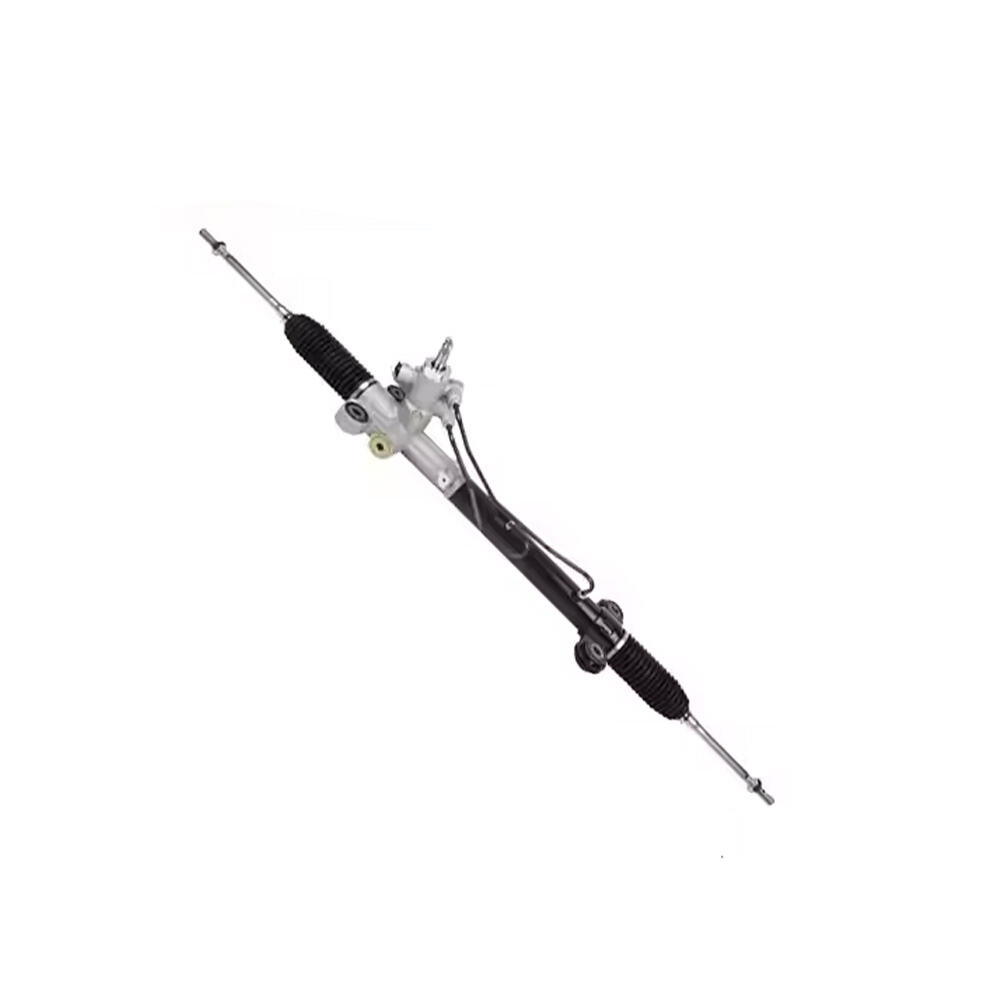
Gear steering represents a fundamental mechanical system that translates rotational motion into directional control, primarily used in various vehicles and machinery. This robust steering mechanism employs a series of precisely engineered gears, typically including a steering gear box that houses the main gear assembly, working in harmony with the steering shaft and pitman arm. The system effectively multiplies the driver's input force, making it easier to control heavy vehicles while maintaining precise directional control. Modern gear steering systems often incorporate advanced materials and engineering techniques to reduce friction and wear, ensuring longer service life and consistent performance. The mechanism works through a gear reduction principle, where the driver's steering wheel movement is converted into a more powerful turning force at the wheels. This system is particularly valuable in heavy-duty applications where hydraulic assistance may not be practical or desired. The gear steering mechanism's durability and reliability make it an excellent choice for various industrial applications, construction equipment, and certain specialized vehicles. Its mechanical nature provides direct feedback to the operator, allowing for better control and awareness of road conditions. The system's relatively simple design, compared to other steering mechanisms, makes it easier to maintain and repair, contributing to its continued relevance in modern applications despite the emergence of newer technologies.

New Products

Gear steering systems offer numerous compelling advantages that make them a preferred choice in many applications. The system's mechanical simplicity provides exceptional reliability and durability, reducing the likelihood of system failures and minimizing maintenance requirements. This straightforward design also translates to lower manufacturing costs and easier repairs when maintenance is necessary. One of the most significant benefits is the direct mechanical connection between the steering wheel and the wheels, providing drivers with immediate tactile feedback about road conditions and tire grip. This feedback is crucial for optimal vehicle control and safety, especially in challenging driving conditions. The gear steering system's ability to multiply force efficiently means that even heavy vehicles can be controlled with reasonable steering effort, without requiring complex hydraulic or electronic assistance systems. This mechanical advantage is achieved while maintaining precise steering control, allowing for accurate vehicle positioning and maneuvering. The system's independence from external power sources ensures consistent operation even in the event of engine or electrical system failures, making it particularly valuable in safety-critical applications. The gear steering mechanism's robust construction makes it highly resistant to environmental factors such as temperature extremes, dust, and moisture, ensuring reliable operation in diverse conditions. Additionally, the system's predictable wear patterns and straightforward maintenance procedures make it cost-effective over its operational lifetime. The absence of complex electronic components or hydraulic systems reduces the potential points of failure and simplifies troubleshooting when issues do arise.

Tips And Tricks

More Than Just Stopping: A Deep Dive into the Materials and Craftsmanship of SUOKE High-Performance Brake Pads

07

Jul

More Than Just Stopping: A Deep Dive into the Materials and Craftsmanship of SUOKE High-Performance Brake Pads

View More
The Next Frontier in the NEV Aftermarket: Why High-Quality EV-Compatible Parts are Your Must-Win Territory

16

Jul

The Next Frontier in the NEV Aftermarket: Why High-Quality EV-Compatible Parts are Your Must-Win Territory

View More
A Guide to Improving Customer Satisfaction: From Strange Noises to Steering Pull, How to Accurately Diagnose Suspension Problems and Select the Right Parts

07

Jul

A Guide to Improving Customer Satisfaction: From Strange Noises to Steering Pull, How to Accurately Diagnose Suspension Problems and Select the Right Parts

View More

Get a Free Quote

Our representative will contact you soon.
Email
Name
Company Name
Message
0/1000

gear steering

Superior Mechanical Reliability

Superior Mechanical Reliability

The gear steering system's mechanical reliability stands as one of its most compelling features, setting it apart from more complex steering solutions. The system's fundamental design principles rely on proven mechanical engineering concepts that have been refined over decades of practical application. This inherent reliability stems from the use of high-strength materials and precise manufacturing tolerances in the gear assembly. The system's mechanical nature means there are fewer potential points of failure compared to hydraulic or electronic steering systems. Regular maintenance is straightforward and predictable, typically involving basic lubrication and occasional adjustments. The system's ability to maintain consistent performance even under heavy use and adverse conditions makes it particularly valuable in commercial and industrial applications. The direct mechanical linkage ensures that steering response remains consistent throughout the system's lifetime, providing operators with dependable control and predictable handling characteristics.
Enhanced Force Multiplication

Enhanced Force Multiplication

The gear steering system's force multiplication capabilities represent a significant technological achievement in mechanical engineering. Through carefully calculated gear ratios, the system efficiently converts the driver's input force into the substantial torque needed to turn heavy vehicle wheels. This multiplication effect is achieved without sacrificing steering precision or control feel. The system's design allows for optimal gear reduction ratios that balance ease of steering with the need for precise directional control. This mechanical advantage is particularly valuable in heavy vehicles where the steering loads can be substantial. The system maintains its force multiplication capabilities without requiring external power assistance, making it highly reliable in all operating conditions. The consistent nature of the mechanical advantage means operators can develop a precise feel for steering inputs, leading to improved vehicle control and safer operation.
Cost-Effective Durability

Cost-Effective Durability

The long-term cost effectiveness of gear steering systems is a crucial advantage that sets them apart in the market. The initial manufacturing costs are typically lower than those of hydraulic or electronic steering systems due to simpler components and assembly processes. The system's durability means that replacement parts are needed less frequently, reducing ongoing maintenance costs. The straightforward mechanical design allows for easier diagnosis of potential issues, reducing diagnostic time and associated labor costs. When repairs are necessary, the components are generally less expensive than those of more complex steering systems. The system's resistance to environmental factors means it requires less protection from external elements, reducing the need for additional protective measures. The predictable wear patterns of mechanical components make maintenance scheduling more accurate and efficient, helping to prevent unexpected failures and costly downtime.

Get a Free Quote

Our representative will contact you soon.
Email
Name
Company Name
Message
0/1000