
 EN
EN
Vehicle handling and stability represent fundamental aspects of automotive performance that directly impact driver safety, comfort, and control. At the core of these critical characteristics lies a complex network of chassis components working in concert to manage forces, distribute weight, and maintain precise wheel geometry during dynamic driving conditions. Understanding how these components interact provides essential insight into vehicle behavior and helps drivers and technicians make informed decisions about maintenance, upgrades, and troubleshooting handling issues that compromise safety and performance.
The relationship between chassis components and vehicle dynamics extends far beyond simple mechanical connections. Each element within the chassis system serves specific functions that collectively determine how a vehicle responds to steering inputs, road irregularities, and weight transfer during acceleration, braking, and cornering. From control arms and ball joints to bushings and subframes, these components establish the foundation upon which suspension geometry operates, directly influencing tire contact patches, steering precision, and the vehicle's ability to maintain predictable trajectories under varying conditions. This comprehensive exploration examines the mechanical principles, component interactions, and practical implications that define how chassis components shape vehicle handling and stability.
Fundamental Roles of Chassis Components in Vehicle Dynamics
Structural Framework and Force Distribution
The chassis serves as the primary structural framework that supports all vehicle systems and occupants while managing tremendous forces generated during operation. Chassis components form interconnected pathways that distribute loads from the suspension system, powertrain, and occupant weight throughout the vehicle structure. This load distribution function directly affects handling characteristics by determining how weight transfers during cornering, acceleration, and braking maneuvers. When chassis components maintain proper rigidity and alignment, they ensure predictable force pathways that allow suspension systems to function as designed, preserving consistent geometry and tire contact patterns essential for stable handling.
The stiffness characteristics of chassis components significantly influence how vehicles respond to dynamic inputs. Chassis rigidity prevents unwanted flexing that could compromise suspension geometry and introduce unpredictable handling behaviors. Modern vehicle designs carefully balance structural rigidity with controlled compliance in specific areas, using chassis components to tune handling characteristics. Subframes, for instance, provide localized rigidity for suspension mounting points while isolating certain vibrations from the passenger compartment. This selective stiffness approach allows engineers to optimize both handling precision and ride comfort through strategic chassis component design and material selection.
Suspension Geometry Control and Wheel Positioning
Control arms, ball joints, and mounting brackets represent critical chassis components that establish and maintain suspension geometry throughout the range of wheel travel. These elements define the precise spatial relationships between wheels, suspension pivots, and the vehicle body, directly determining alignment angles such as camber, caster, and toe. When chassis components maintain their designed geometry, wheels remain properly oriented relative to the road surface, maximizing tire contact patches and ensuring predictable steering response. Any deviation from specified geometry caused by worn or damaged chassis components immediately degrades handling precision and stability.
The dynamic behavior of chassis components during suspension movement profoundly impacts handling characteristics. As wheels travel vertically over road irregularities or during body roll in corners, control arms and links follow prescribed arcs that change wheel alignment angles in calculated ways. Engineers design these motion paths to minimize adverse effects on handling, such as excessive camber change or bump steer. High-quality chassis components maintain these engineered motion paths with minimal deflection, preserving the intended suspension kinematics that deliver stable, predictable handling across varying road conditions and driving scenarios.
Compliance and Isolation Characteristics
Bushings and mounting points within chassis components introduce controlled compliance that serves multiple functions in vehicle dynamics. These elastic elements allow limited movement that absorbs small road irregularities, reduces noise and vibration transmission, and provides subtle handling characteristics tailored to vehicle purpose. The durometer ratings and geometry of bushings within chassis components directly affect steering feel, turn-in response, and stability under load. Softer bushings generally improve ride comfort but may reduce handling precision, while firmer bushings enhance responsiveness at the expense of some comfort. This compliance tuning represents a critical aspect of how chassis components influence overall vehicle behavior.
The isolation properties of chassis components also protect suspension geometry from unwanted disturbances. Compliant elements filter high-frequency inputs that could otherwise cause wheels to lose consistent road contact or introduce harsh feedback through the steering system. However, excessive compliance from worn chassis components allows uncontrolled movement that degrades handling precision and creates unpredictable responses to driver inputs. The balance between appropriate compliance and necessary rigidity within chassis components determines whether a vehicle exhibits confidence-inspiring stability or vague, disconnected handling characteristics that compromise both performance and safety.
Impact of Specific Chassis Components on Handling Precision
Control Arm Function and Steering Response
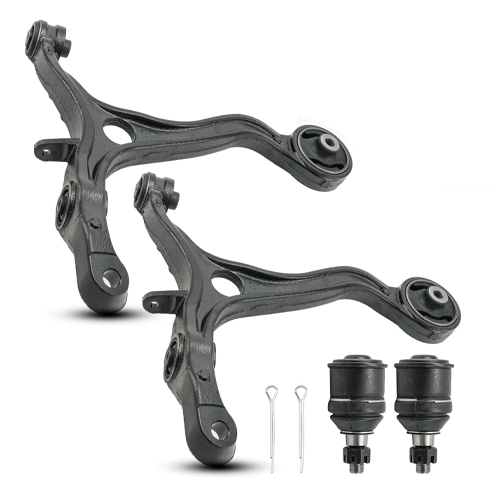
Control arms rank among the most influential chassis components affecting vehicle handling, serving as the primary links between wheels and the vehicle body. These components define wheel motion paths and maintain critical alignment angles during suspension travel. Upper and lower control arms work together to establish the instant center of suspension rotation, which determines how the vehicle responds to weight transfer and steering inputs. When control arms maintain their designed geometry and rigidity, they deliver precise steering response with minimal deflection under cornering loads. This precision allows drivers to place vehicles accurately and predict handling behavior with confidence.
The structural integrity of control arms directly correlates with handling consistency and stability. Bent, cracked, or fatigued control arms introduce geometry deviations that manifest as pulling, uneven tire wear, and unpredictable cornering behavior. Modern control arm designs often incorporate strategic reinforcement in high-stress areas while optimizing weight distribution to minimize unsprung mass. Some performance-oriented chassis components feature tubular or forged construction that provides exceptional rigidity with reduced weight, enhancing both handling responsiveness and ride quality by allowing suspension components to react more quickly to road inputs.
Ball Joint Contributions to Stability
Ball joints serve as critical pivot points within chassis components, allowing wheels to steer while simultaneously accommodating vertical suspension movement. These components must withstand tremendous loads while maintaining precise clearances that prevent unwanted play. Even minimal wear in ball joints creates free play that translates directly into vague steering feel and reduced stability, particularly during direction changes or over uneven surfaces. Quality ball joints incorporate robust bearing surfaces and effective sealing systems that preserve tight tolerances throughout their service life, ensuring consistent handling characteristics.
The load-bearing capacity and friction characteristics of ball joints within chassis components significantly affect steering effort and feedback. Ball joints must rotate smoothly to allow steering motion while resisting deflection under lateral and longitudinal forces generated during driving. Worn ball joints compromise this balance, creating excessive play that allows wheels to shift position unpredictably under load. This movement disrupts carefully engineered suspension geometry, causing alignment angles to vary beyond design parameters and resulting in handling instability that becomes particularly noticeable during emergency maneuvers or high-speed driving where precision is paramount.
Bushing Influence on Handling Character
Bushings embedded within various chassis components provide controlled compliance that fundamentally shapes vehicle handling personality. These seemingly simple elements allow limited rotational and radial movement while maintaining component positioning and absorbing vibrations. The material composition, shape, and durometer of bushings determine how chassis components respond to forces, directly influencing steering precision, road feedback, and body control. Polyurethane bushings offer firmer response than rubber alternatives, reducing deflection under cornering loads and enhancing handling precision, while rubber bushings prioritize comfort and isolation at some cost to ultimate handling sharpness.
Bushing degradation represents one of the most common causes of deteriorating handling characteristics as vehicles age. As bushings wear, crack, or soften, chassis components gain excessive freedom of movement that allows suspension geometry to shift unpredictably under load. This unwanted movement manifests as delayed steering response, imprecise turn-in, and reduced stability during transitions between left and right corners. Fresh bushings within chassis components restore designed compliance characteristics, eliminating sloppiness and returning handling precision to original specifications. Performance enthusiasts often upgrade to firmer bushings to further reduce compliance and enhance handling responsiveness beyond factory settings.
Chassis Component Effects on Vehicle Stability
Weight Transfer Management During Cornering
Chassis components play essential roles in managing weight transfer during cornering, which directly determines stability limits and handling balance. When a vehicle enters a corner, lateral acceleration generates forces that transfer weight from inside wheels to outside wheels. The stiffness and geometry of chassis components influence how quickly and dramatically this weight transfer occurs. Rigid chassis components with minimal compliance deliver more immediate weight transfer, which can enhance responsiveness but may also create abrupt handling transitions. Chassis components with engineered compliance moderate weight transfer rates, potentially improving stability and predictability at the expense of some ultimate responsiveness.
The distribution of weight transfer between front and rear axles significantly affects stability characteristics, and chassis components contribute to this balance through their structural properties and mounting configurations. Front-heavy weight transfer created by relatively compliant rear chassis components can induce understeer, where the vehicle resists turning and pushes wide in corners. Conversely, excessive rear weight transfer from soft rear chassis components may promote oversteer, where the rear end loses grip before the front, potentially causing the vehicle to spin. Engineers carefully tune chassis component characteristics to achieve desired handling balance that provides both stability and controllability across the performance envelope.
Roll Resistance and Body Control
Chassis components contribute significantly to roll resistance, which determines how much a vehicle leans during cornering and how this lean affects handling stability. Subframe stiffness, control arm geometry, and mounting point locations all influence the vehicle's roll center height and roll axis orientation. These factors determine the moment arm through which lateral forces act, directly affecting body roll magnitude. Lower roll centers generally reduce body roll and improve stability by shortening the lever arm for lateral weight transfer. Chassis components that maintain consistent roll center locations throughout suspension travel provide more predictable stability characteristics.
Body control during dynamic maneuvers depends heavily on chassis component integrity and design characteristics. Flexible or worn chassis components allow excessive body roll that shifts weight more dramatically and reduces tire contact patch consistency. This increased roll also creates larger suspension travel excursions that may push suspension geometry to extremes where alignment angles become less optimal. Rigid, well-maintained chassis components minimize unwanted body motions, keeping suspension systems operating within their designed working ranges where geometry remains favorable and stability stays predictable. This controlled body motion enhances driver confidence and allows more aggressive driving inputs without inducing instability.
Longitudinal Stability and Acceleration Response
Chassis components significantly influence longitudinal stability during acceleration and braking by controlling how pitch motions and weight transfer affect vehicle behavior. During acceleration, weight transfers rearward, compressing rear suspension while extending front suspension. Chassis components determine how this pitch motion occurs and how it affects steering geometry and tire loading. Rear control arms and their bushings, for example, must resist deflection under acceleration torque to prevent unwanted geometry changes that could affect stability. Excessive compliance in rear chassis components can allow the suspension to bind or adopt unfavorable geometries under power, potentially causing traction issues or instability.
Braking stability depends equally on chassis component integrity and design. As weight transfers forward during deceleration, front suspension compresses while rear suspension extends. Front chassis components must maintain precise wheel positioning under these elevated loads to ensure consistent braking performance and directional stability. Worn or flexible chassis components allow wheels to shift position during hard braking, potentially causing brake pull, reduced stopping efficiency, or instability that compromises safety. High-quality chassis components maintain geometry stability throughout the braking process, ensuring wheels remain properly oriented to maximize tire contact and braking effectiveness while preserving directional control.
Interaction Between Chassis Components and Suspension Systems
Kinematic Integration and Motion Control
The relationship between chassis components and suspension systems represents a deeply integrated partnership where each element influences the other's effectiveness. Suspension linkages attach to chassis components at specific locations that define pivot points and motion paths. These attachment points and the rigidity of chassis components at these locations directly determine suspension kinematics—the geometric relationships that control wheel movement. When chassis components provide stable, rigid mounting points, suspension systems can function as designed, following engineered motion paths that optimize tire contact and handling characteristics. Flexibility or misalignment in chassis components disrupts these carefully calculated kinematics, degrading handling precision and stability.
Modern suspension designs often employ multi-link configurations that require numerous precisely located chassis component mounting points. Each link within these complex systems contributes to overall wheel control, and the spatial relationships between mounting points critically affect performance. Chassis components must maintain these relationships with minimal deviation throughout the vehicle's service life. Even small changes in mounting point locations caused by chassis component wear, damage, or deformation can significantly alter suspension geometry, introducing undesirable characteristics such as bump steer, roll steer, or alignment instability that compromise both handling and tire wear patterns.
Load Path Optimization and Stress Distribution
Chassis components form the load paths through which suspension forces transmit to the vehicle structure. The design and condition of these components determine how efficiently forces distribute and how localized stresses affect structural integrity and handling. Well-designed chassis components create direct, efficient load paths that minimize flexing and energy loss while maximizing structural efficiency. This optimization ensures that suspension inputs translate accurately into vehicle responses without being filtered or delayed by chassis component deflection. Performance vehicles often feature reinforced chassis components in critical load path areas to further enhance this transmission efficiency and improve handling precision.
The interaction between chassis components and suspension springs deserves particular attention regarding handling characteristics. Spring forces act through chassis components to control body motion and weight distribution. If chassis components flex under spring loads, effective spring rates change, altering handling balance and ride quality. Subframe rigidity particularly affects this relationship, as flexible subframes can effectively reduce spring rates and introduce unwanted compliance. Rigid chassis components ensure spring forces act as intended, maintaining designed handling characteristics and preventing the unpredictable behavior that accompanies variable effective spring rates.
Damper Effectiveness and Response Quality
Shock absorbers rely on rigid chassis component mounting to function effectively, and any flexibility in these mounting points degrades damping performance. When chassis components flex at damper attachment points, they absorb energy that should be dissipated by the damper, reducing effective damping and allowing increased body motion. This reduced damping effectiveness manifests as diminished handling precision, increased body roll, and reduced stability over rough surfaces. Quality chassis components with rigid damper mounting provisions ensure shock absorbers can perform their intended function of controlling suspension movement and maintaining tire contact through rapid suspension excursions.
The orientation and geometry of damper mounting points on chassis components also affect damping characteristics and handling behavior. Damper mounting angles determine the leverage ratio between wheel motion and damper shaft movement, influencing effective damping rates. Chassis components that maintain consistent mounting geometry preserve these designed damping characteristics throughout suspension travel. Damaged or deformed chassis components may alter damper mounting angles, changing effective damping rates in ways that create imbalanced handling or harsh ride quality. This geometric sensitivity underscores the importance of maintaining chassis component integrity for optimal suspension system performance.
Maintenance and Degradation Effects on Performance
Progressive Wear Patterns and Handling Deterioration
Chassis components experience gradual wear through normal use, with degradation patterns that progressively compromise handling and stability. Bushings harden, crack, and lose elasticity over time, increasing compliance and allowing excess movement. Ball joints develop play as bearing surfaces wear, introducing free motion that disrupts precision. Control arms may fatigue or deform under repeated stress cycles, altering suspension geometry. This progressive degradation often occurs slowly enough that drivers adapt unconsciously to deteriorating handling characteristics, not recognizing how much precision and stability have been lost until fresh chassis components restore original performance levels.
The cumulative effect of multiple worn chassis components creates handling degradation greater than the sum of individual component issues. When several chassis components simultaneously exhibit wear, their combined effects interact to produce unpredictable handling behaviors and significantly compromised stability. A vehicle might develop vague steering, excessive body roll, poor directional stability, and uneven tire wear as multiple chassis components pass their optimal service life. Systematic replacement of worn chassis components often produces dramatic improvements in handling precision and stability, revealing just how much performance had gradually diminished.
Impact Damage and Immediate Performance Loss
Impact events from potholes, curb strikes, or collisions can instantly compromise chassis components and dramatically affect handling characteristics. Bent control arms, damaged subframes, or shifted mounting points immediately alter suspension geometry, creating handling imbalances and stability issues. Unlike gradual wear, impact damage often produces asymmetric effects that cause pulling, uneven cornering behavior, or directional instability that drivers immediately notice. Even seemingly minor impacts can deform chassis components enough to affect alignment and handling, particularly with modern lightweight designs that prioritize material efficiency over impact resistance.
Corrosion represents another form of degradation that seriously compromises chassis component integrity and handling performance. Rust weakens structural members, accelerates bushing deterioration, and can cause complete component failure. Chassis components in corrosion-prone areas require regular inspection and preventive maintenance to preserve handling characteristics and prevent sudden failures that could cause loss of vehicle control. Protective coatings and proper drainage design help extend chassis component life in harsh environments, maintaining handling performance and stability throughout the vehicle's service life.
Inspection and Replacement Strategies
Regular inspection of chassis components provides essential insight into handling system condition and allows proactive replacement before degradation significantly affects performance or safety. Visual inspection reveals obvious damage, corrosion, or cracking, while physical testing exposes excessive play in ball joints or deteriorated bushings. Alignment measurements often reveal chassis component issues through inability to achieve specified settings or rapid alignment changes after adjustment. Systematic inspection protocols help identify chassis component wear before it progresses to the point of creating dangerous handling instability or causing accelerated tire wear.
Replacement strategies for chassis components should consider the interconnected nature of suspension systems and the benefits of replacing related components simultaneously. When one control arm bushing has failed, others of similar age likely approach failure, making comprehensive replacement more cost-effective than sequential individual replacements. Quality replacement chassis components restore handling precision and stability while potentially offering improved durability over original equipment. Some aftermarket chassis components provide enhanced performance characteristics, allowing drivers to upgrade handling precision beyond factory specifications while addressing worn component replacement needs.
FAQ
What are the first signs that chassis components are affecting my vehicle's handling?
The earliest indicators of chassis component degradation typically include increased steering vagueness, where the vehicle feels less responsive to steering inputs and requires more frequent corrections to maintain a straight path. You may notice delayed response when initiating turns, excessive body roll during cornering, or a general feeling of looseness in the suspension. Unusual tire wear patterns, particularly uneven wear across the tire face or rapid wear on specific tires, often signal chassis component issues affecting alignment. Clunking or knocking sounds when driving over bumps or during turns frequently indicate worn ball joints or deteriorated bushings within chassis components. If your vehicle pulls to one side despite recent alignment, or if the steering wheel is no longer centered when driving straight, chassis component wear or damage likely affects suspension geometry and handling stability.
How often should chassis components be inspected for optimal handling performance?
Chassis components should receive thorough inspection at least annually or every 12,000 to 15,000 miles under normal driving conditions, with more frequent inspection recommended for vehicles subjected to harsh conditions, aggressive driving, or operation on poor road surfaces. During routine maintenance such as tire rotations or brake service, technicians should visually inspect chassis components for obvious damage, corrosion, or wear. More comprehensive inspections should occur when experiencing handling changes, after impact events like pothole strikes, or when alignment settings cannot be achieved or maintained. Vehicles used for performance driving, towing, or off-road applications benefit from inspection intervals shortened to 6,000 to 10,000 miles due to increased stress on chassis components. Proactive inspection identifies degrading components before they significantly compromise handling or safety, allowing scheduled replacement rather than emergency repairs.
Can upgrading chassis components improve handling beyond factory specifications?
Upgrading chassis components can definitely enhance handling characteristics beyond factory specifications, though results depend on component selection and overall suspension system compatibility. Performance-oriented control arms with improved rigidity reduce deflection under cornering loads, increasing handling precision and responsiveness. Polyurethane or spherical bearing bushings decrease compliance compared to rubber bushings, sharpening turn-in response and improving feedback at the expense of some ride comfort and noise isolation. Reinforced subframes enhance structural rigidity, improving suspension geometry consistency under load. However, chassis component upgrades work best as part of comprehensive suspension improvements that maintain system balance. Upgrading only isolated chassis components without considering overall suspension dynamics may create handling imbalances or introduce new issues. Professional consultation helps identify chassis component upgrades that align with intended vehicle use and complement existing suspension characteristics for meaningful handling improvements.
Do different driving conditions accelerate chassis component wear and affect handling degradation?
Driving conditions significantly influence chassis component wear rates and the timeline for handling degradation. Vehicles operated primarily on smooth highways experience slower chassis component wear than those regularly driven on poorly maintained roads with potholes, expansion joints, and rough surfaces. Urban driving with frequent stops, starts, and turns stresses chassis components differently than highway cruising, potentially accelerating bushing wear and ball joint deterioration. Cold climates with road salt application dramatically accelerate corrosion of chassis components, weakening structures and degrading bushings more rapidly. Aggressive driving with hard cornering and rapid direction changes increases loads on chassis components, potentially reducing service life. Vehicles used for towing or carrying heavy loads experience elevated stress that accelerates component fatigue. Understanding how your specific driving conditions affect chassis components helps establish appropriate inspection intervals and anticipate when replacement might become necessary to maintain optimal handling and stability.
Table of Contents
- Fundamental Roles of Chassis Components in Vehicle Dynamics
- Impact of Specific Chassis Components on Handling Precision
- Chassis Component Effects on Vehicle Stability
- Interaction Between Chassis Components and Suspension Systems
- Maintenance and Degradation Effects on Performance
-
FAQ
- What are the first signs that chassis components are affecting my vehicle's handling?
- How often should chassis components be inspected for optimal handling performance?
- Can upgrading chassis components improve handling beyond factory specifications?
- Do different driving conditions accelerate chassis component wear and affect handling degradation?