
 EN
EN
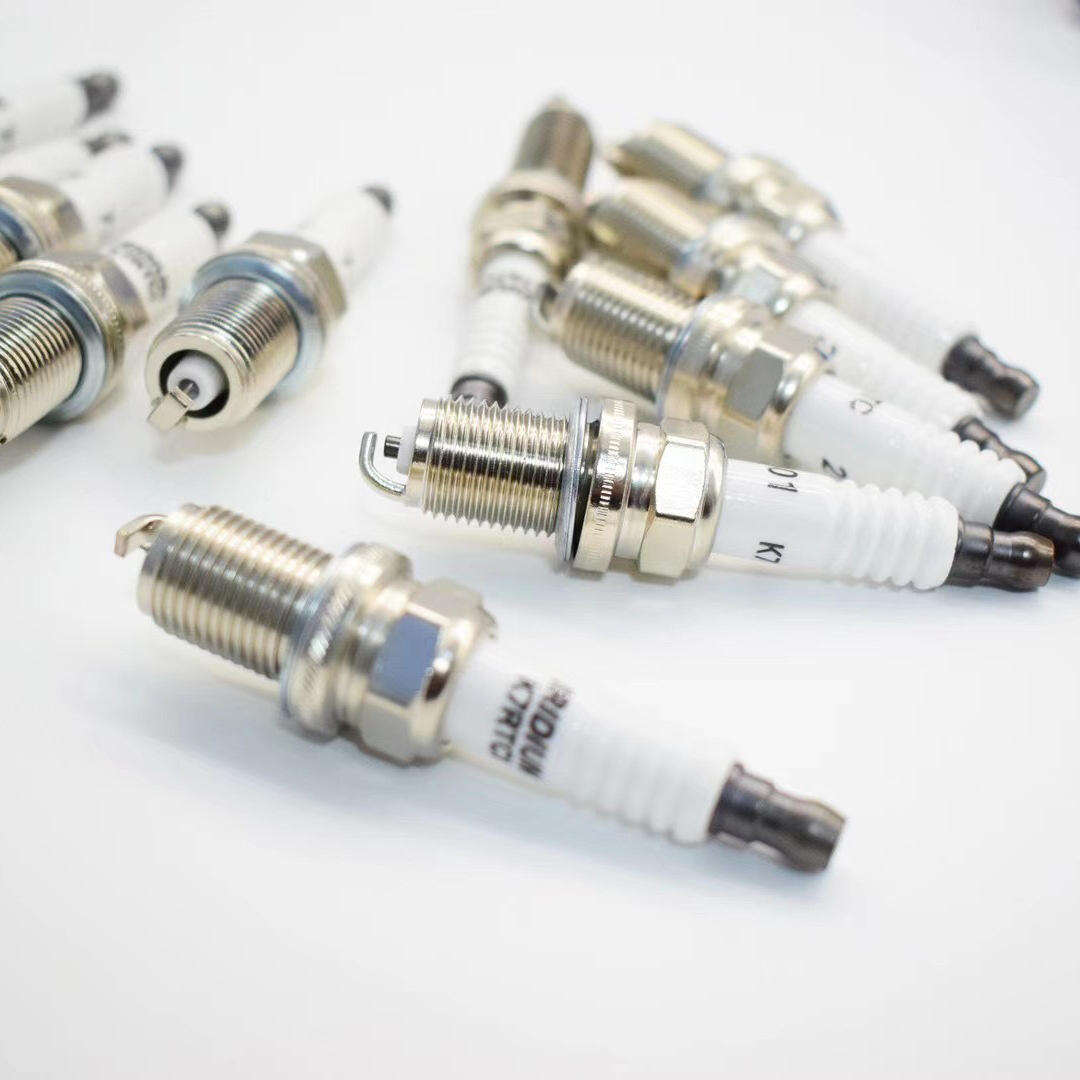
Mastering the Art of Auto Parts Procurement
In today's dynamic automotive aftermarket, securing reliable auto parts bulk supply has become increasingly critical for businesses aiming to maintain competitive advantage. The challenge lies not just in finding parts, but in sourcing high-quality components that ensure customer satisfaction and long-term business sustainability. Whether you're a distributor, repair shop owner, or fleet manager, understanding the intricacies of bulk auto parts procurement can significantly impact your bottom line.
The automotive parts industry has evolved dramatically over the past decade, with global supply chains becoming more complex and quality standards more stringent. Making informed decisions about auto parts bulk supply requires a comprehensive understanding of market dynamics, quality indicators, and supplier relationships. This guide will walk you through essential strategies to optimize your bulk purchasing decisions.
Understanding Quality Standards in Auto Parts
OEM vs. Aftermarket Considerations
When evaluating auto parts bulk supply options, the first major decision involves choosing between OEM (Original Equipment Manufacturer) and aftermarket parts. OEM parts come directly from the vehicle manufacturer or their authorized suppliers, ensuring exact specifications match. However, they typically command premium prices in bulk purchases. Aftermarket parts, produced by independent manufacturers, often offer cost advantages while maintaining comparable quality standards.
Quality aftermarket manufacturers invest heavily in research and development, often producing parts that meet or exceed OEM specifications. When sourcing auto parts bulk supply, look for manufacturers who maintain ISO certifications and follow strict quality control processes. These certifications provide assurance of consistent manufacturing standards and reliability.
Material Quality and Durability Standards
The longevity and performance of auto parts largely depend on material quality. Premium materials often translate to better durability and fewer warranty claims. When assessing auto parts bulk supply options, examine the material specifications, testing procedures, and warranty terms. High-grade steel, advanced polymers, and proper surface treatments indicate quality manufacturing processes.
Request material data sheets and testing certificates from suppliers to verify their claims. Pay special attention to stress test results, corrosion resistance data, and compatibility certifications. These documents provide concrete evidence of part quality and help justify procurement decisions.
Establishing Reliable Supply Chain Networks
Supplier Evaluation Criteria
Creating a robust auto parts bulk supply network begins with thorough supplier evaluation. Key criteria should include manufacturing capacity, quality control processes, delivery reliability, and financial stability. Consider suppliers who maintain substantial inventory levels and demonstrate consistent order fulfillment capabilities.
Investigate potential suppliers' track records, including their history of recalls, customer feedback, and industry reputation. Request facility tours when possible, as this provides firsthand insight into their operations and quality control measures. Building strong relationships with reliable suppliers often leads to preferential pricing and priority service during supply chain disruptions.

Managing Supply Chain Risks
Diversification proves crucial in auto parts bulk supply management. Relying on a single supplier increases vulnerability to disruptions. Develop relationships with multiple qualified suppliers across different geographic regions to ensure continuous supply. Implement regular supplier performance reviews and maintain open communication channels to address potential issues proactively.
Consider implementing inventory management systems that track supply chain metrics and forecast demand accurately. This data-driven approach helps optimize ordering patterns and maintain optimal stock levels while minimizing carrying costs.
Price Optimization Strategies
Volume-Based Negotiation Techniques
Successful auto parts bulk supply procurement often hinges on effective price negotiation. Leverage purchase volumes to secure better pricing terms while maintaining quality standards. Consider aggregating orders across multiple periods or combining requirements from different product lines to achieve higher volume discounts.
Develop long-term contracts that specify pricing structures, volume commitments, and quality requirements. These agreements provide pricing stability and often include favorable terms for both parties. Include provisions for market-based price adjustments to maintain fairness during significant market fluctuations.
Total Cost Analysis
When evaluating auto parts bulk supply options, consider the total cost of ownership rather than just unit prices. Factor in shipping costs, storage requirements, minimum order quantities, and potential warranty claims. Sometimes, paying slightly more for higher quality parts results in lower overall costs through reduced returns and warranty claims.
Implement systems to track part performance and failure rates. This data helps justify premium pricing for quality parts by demonstrating lower total ownership costs over time. Consider the impact on customer satisfaction and retention when making pricing decisions.
Frequently Asked Questions
What certifications should I look for in auto parts suppliers?
Look for suppliers with ISO 9001 certification for quality management systems, ISO/TS 16949 for automotive industry standards, and relevant regional certifications. These certifications demonstrate commitment to quality and standardized manufacturing processes.
How can I verify the authenticity of auto parts in bulk orders?
Request certificates of authenticity, check serial numbers against manufacturer databases, and inspect packaging for security features. Establish direct relationships with authorized distributors and maintain detailed documentation of all transactions and quality certifications.
What are the best practices for storing bulk auto parts inventory?
Maintain climate-controlled storage facilities, implement proper inventory rotation systems, and use appropriate packaging materials. Monitor humidity levels and temperature fluctuations that could affect part quality. Organize storage areas by part type and implement barcode tracking systems for efficient inventory management.