
 EN
EN
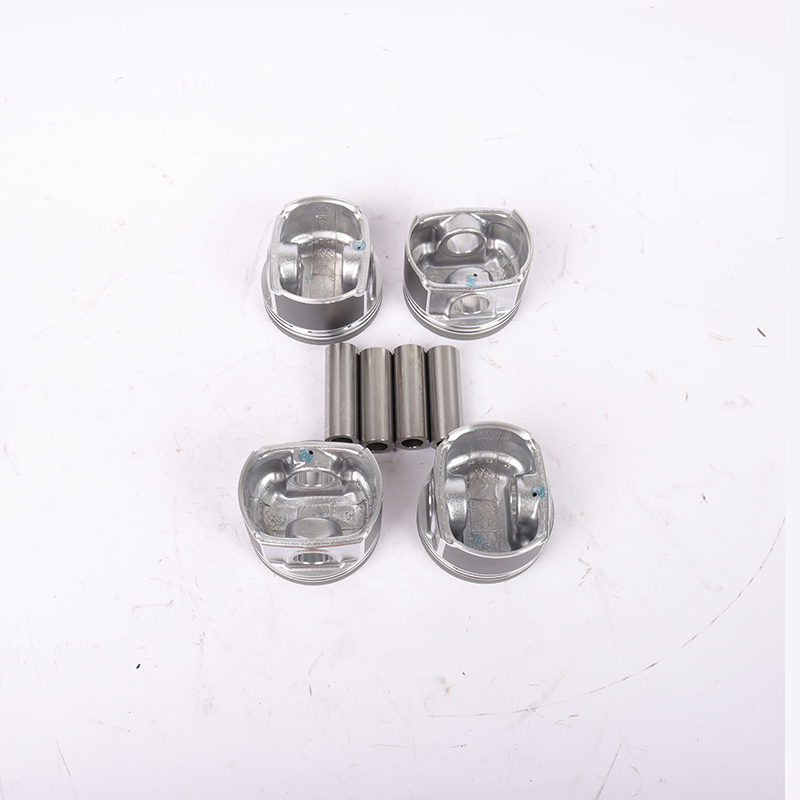
Modern automotive workshops require a comprehensive inventory of essential auto parts to maintain operational efficiency and customer satisfaction. The success of any automotive service facility depends heavily on having the right components readily available when customers need repairs or maintenance services. Professional automotive workshops must stock a diverse range of parts to handle everything from routine maintenance to complex repair procedures across various vehicle makes and models.
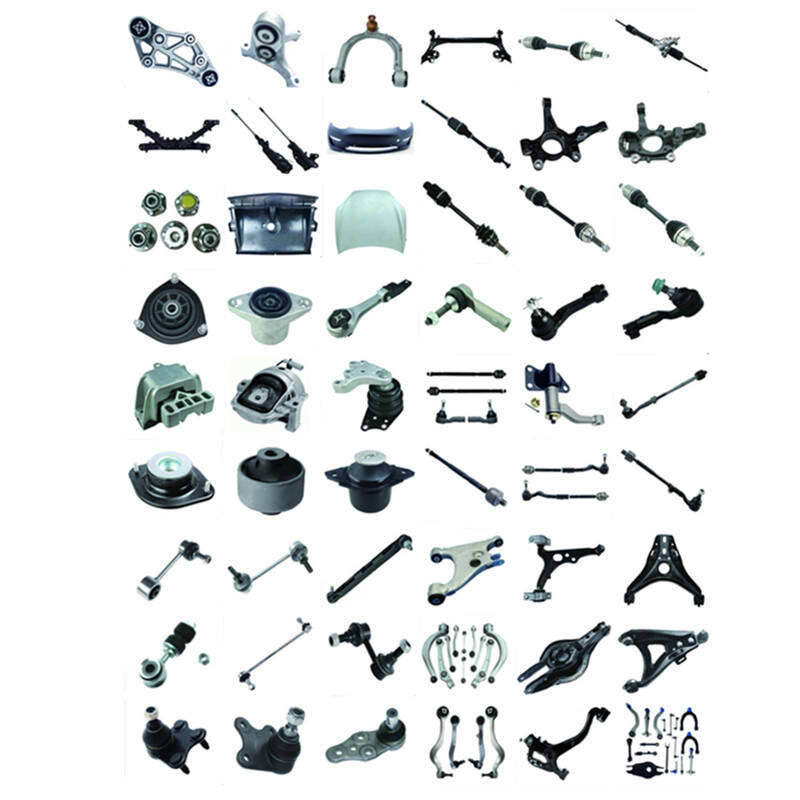
Establishing proper inventory management systems and understanding which parts to prioritize can significantly impact the profitability and reputation of automotive workshops. This comprehensive guide explores the critical components that every professional automotive service facility should maintain in their parts inventory to ensure smooth operations and exceptional customer service delivery.
Critical Engine Components for Workshop Inventory
Essential Engine Maintenance Parts
Engine oil filters represent one of the most frequently replaced components in automotive workshops, requiring technicians to maintain extensive inventories across multiple vehicle specifications. Quality oil filters ensure proper engine lubrication and longevity, making them indispensable for routine maintenance services. Professional automotive workshops typically stock filters for popular vehicle models while maintaining supplier relationships for specialized applications.
Air filters constitute another fundamental component that automotive workshops must keep readily available for customer vehicles. Clean air filtration systems directly impact engine performance and fuel efficiency, making regular replacement essential for vehicle maintenance protocols. Experienced workshop managers understand that stocking high-quality air filters for common vehicle applications ensures consistent service delivery and customer satisfaction.
Spark plugs and ignition coils form the foundation of engine performance maintenance in modern automotive workshops. These components require regular inspection and replacement according to manufacturer specifications, particularly in high-mileage vehicles. Maintaining adequate inventories of various spark plug types and ignition system components enables automotive workshops to address performance issues efficiently and restore optimal engine operation.
Fuel System Components
Fuel filters play a crucial role in maintaining clean fuel delivery systems, requiring automotive workshops to stock various specifications for different vehicle applications. Contaminated fuel can cause significant engine damage and performance issues, making quality fuel filtration essential for vehicle reliability. Professional service facilities understand the importance of using OEM-quality fuel filters to prevent costly engine repairs and maintain customer trust.
Fuel injectors and related components represent more specialized inventory items that experienced automotive workshops maintain for comprehensive engine service capabilities. These precision components require careful handling and installation procedures, demanding technical expertise and quality replacement parts. Workshops specializing in fuel system diagnostics and repairs must invest in high-quality injector components to deliver professional results.
Brake System Essentials for Safety and Performance
Brake Pads and Rotor Systems
Brake pads constitute one of the most critical safety components that automotive workshops must maintain in comprehensive inventories for various vehicle applications. Quality brake pads ensure reliable stopping power and vehicle safety, requiring workshops to stock ceramic, semi-metallic, and organic pad formulations. Professional technicians understand that brake pad selection significantly impacts vehicle performance, noise levels, and customer satisfaction with braking system repairs.
Brake rotors and disc components require careful inventory management due to their size, weight, and vehicle-specific applications in automotive workshops. Quality rotors must meet strict manufacturing tolerances and material specifications to ensure safe and effective braking performance. Experienced workshop managers recognize that investing in premium rotor inventory reduces comeback issues and enhances the reputation of their automotive service facility.
Brake hardware kits containing springs, clips, and mounting components are essential for proper brake system installation and longevity in automotive workshops. These seemingly minor components play crucial roles in brake pad positioning, noise reduction, and overall system performance. Professional installations require complete hardware replacement to ensure optimal brake system function and prevent premature component wear.
Hydraulic Brake Components
Brake fluid represents a consumable component that automotive workshops must maintain in various DOT specifications for different vehicle requirements. Quality brake fluid ensures proper hydraulic system operation and component longevity under extreme operating conditions. Professional service facilities understand that using appropriate brake fluid specifications prevents system contamination and maintains optimal braking performance for customer vehicles.
Brake calipers, master cylinders, and related hydraulic components require specialized inventory management due to their complexity and vehicle-specific applications. These components demand technical expertise for proper diagnosis, installation, and testing procedures in professional automotive workshops. Maintaining quality hydraulic component inventory ensures comprehensive brake system repair capabilities and reduces customer wait times for critical safety repairs.
Suspension and Steering Component Requirements
Shock Absorbers and Strut Systems
Shock absorbers and strut assemblies represent significant inventory investments for automotive workshops specializing in suspension system repairs and maintenance services. These components directly impact vehicle ride quality, handling characteristics, and tire wear patterns, requiring careful selection and professional installation procedures. Quality suspension components ensure customer satisfaction and long-term vehicle performance across various driving conditions and applications.
Strut mounts, bearings, and related suspension hardware components are essential for complete suspension system repairs in professional automotive workshops. These components often require replacement during strut installation procedures, making comprehensive inventory management crucial for efficient service delivery. Experienced technicians understand that suspension system repairs demand attention to all related components to ensure optimal performance and customer satisfaction.
Coil springs and suspension linkage components require specialized handling and storage procedures due to their size and potential energy storage characteristics. Professional automotive workshops must maintain proper equipment and safety procedures for spring replacement and suspension system modifications. Quality spring components ensure proper vehicle ride height, load capacity, and handling characteristics according to manufacturer specifications.
Steering System Components
Power steering fluid and related hydraulic components are essential consumables that automotive workshops must maintain for routine service and repair procedures. Quality power steering fluid ensures smooth system operation and component longevity under various operating conditions. Professional service facilities recognize that proper fluid maintenance prevents costly steering system repairs and maintains optimal vehicle handling characteristics.
Tie rod ends, ball joints, and steering linkage components represent critical safety items that experienced automotive workshops must stock for comprehensive steering system repairs. These components directly impact vehicle alignment, tire wear, and handling safety, requiring quality replacement parts and professional installation procedures. Maintaining adequate inventory of steering components ensures timely repairs and optimal vehicle safety for customer satisfaction.
Electrical System Components and Accessories
Battery and Charging System Parts
Automotive batteries constitute one of the most frequently replaced components in modern automotive workshops, requiring comprehensive inventory management across various group sizes and specifications. Quality batteries ensure reliable vehicle starting and electrical system operation under diverse environmental conditions. Professional service facilities must understand battery technology differences and maintain appropriate inventory levels to meet customer demand throughout seasonal variations.
Alternators and charging system components represent more complex inventory items that specialized automotive workshops maintain for comprehensive electrical system repair capabilities. These components require technical diagnostic expertise and quality replacement parts to ensure proper electrical system function. Experienced workshops invest in remanufactured and new alternator inventory to provide cost-effective solutions for various customer budgets and vehicle applications.
Starter motors and related electrical components demand careful inventory management due to their complexity and vehicle-specific applications in automotive workshops. Quality starter components ensure reliable engine starting performance across various operating conditions and vehicle configurations. Professional installation procedures and diagnostic capabilities distinguish experienced automotive workshops from basic service providers in the competitive market.
Lighting and Accessory Components
Headlight and taillight assemblies require comprehensive inventory management due to their safety importance and vehicle-specific designs in modern automotive workshops. LED, halogen, and HID lighting technologies each demand different replacement procedures and component specifications. Professional service facilities must stay current with lighting technology advances and maintain appropriate inventory levels for popular vehicle applications.
Fuses, relays, and electrical connectors represent essential small components that automotive workshops must maintain in comprehensive inventories for various electrical system repairs. These components are critical for proper electrical system function and often require immediate replacement during diagnostic procedures. Experienced technicians understand that maintaining complete electrical component inventory reduces diagnostic time and improves customer service delivery.
Fluid Management and Maintenance Supplies
Engine Oils and Lubricants
Motor oil inventory management represents a critical aspect of successful automotive workshops, requiring careful attention to viscosity grades, specifications, and storage requirements. Modern engines demand specific oil formulations to meet manufacturer warranties and performance requirements under various operating conditions. Professional service facilities must maintain comprehensive oil inventories while managing storage costs and shelf life considerations for optimal operational efficiency.
Transmission fluids and differential oils constitute specialized lubricant categories that experienced automotive workshops must stock for comprehensive drivetrain service capabilities. These fluids often have specific formulations and compatibility requirements that demand technical knowledge and proper storage procedures. Quality transmission service requires appropriate fluid specifications to ensure optimal shifting performance and component longevity for customer vehicles.
Coolant and antifreeze products require careful inventory management due to their chemical compatibility requirements and seasonal demand variations in automotive workshops. Different coolant technologies and color formulations must not be mixed, requiring separate storage and handling procedures. Professional service facilities understand that proper coolant service prevents costly engine repairs and maintains optimal operating temperatures across various climate conditions.
Specialty Fluids and Chemicals
Brake cleaner, carburetor cleaner, and penetrating oils represent essential chemical products that automotive workshops consume during routine repair and maintenance procedures. These specialty chemicals enable proper component cleaning and preparation for installation procedures while ensuring optimal repair results. Professional workshops must maintain adequate chemical inventory while observing proper storage and disposal regulations for environmental compliance.
Thread locker, gasket sealers, and assembly lubricants constitute specialized chemical products that professional automotive workshops require for quality repair procedures. These products ensure proper component installation and long-term reliability according to manufacturer specifications. Experienced technicians understand that using appropriate specialty chemicals distinguishes professional repairs from basic service procedures and enhances customer satisfaction.
FAQ
How should automotive workshops determine optimal inventory levels for essential parts?
Successful automotive workshops analyze historical sales data, seasonal demand patterns, and local vehicle demographics to establish optimal inventory levels for essential auto parts. Professional facilities typically maintain 30-60 days of inventory for fast-moving items while establishing supplier relationships for specialty components. Effective inventory management systems track usage patterns and automatically generate reorder points to prevent stockouts while minimizing carrying costs and storage requirements.
What factors should workshops consider when selecting suppliers for automotive parts inventory?
Professional automotive workshops evaluate suppliers based on part quality, delivery reliability, pricing structure, and technical support capabilities when building essential parts inventory. Quality suppliers provide OEM or equivalent parts with proper warranties while maintaining consistent availability for critical components. Experienced workshop managers often establish relationships with multiple suppliers to ensure parts availability and competitive pricing while maintaining service quality standards for customer satisfaction.
How do seasonal variations affect parts inventory planning for automotive workshops?
Seasonal demand fluctuations significantly impact inventory planning for automotive workshops, particularly for components like batteries, cooling system parts, and tire-related services. Winter months typically increase demand for batteries, antifreeze, and heating system components, while summer seasons require increased air conditioning and cooling system parts inventory. Successful workshops adjust inventory levels seasonally while maintaining core component availability throughout the year to ensure consistent service delivery.
What role does parts quality play in automotive workshop reputation and customer retention?
Parts quality directly impacts automotive workshop reputation through customer satisfaction, warranty claims, and long-term vehicle performance after repairs or maintenance services. High-quality components reduce comeback issues and enhance customer confidence in workshop capabilities, leading to positive referrals and repeat business. Professional workshops invest in quality parts inventory to differentiate their services from competitors while building long-term customer relationships based on reliability and performance excellence.
Table of Contents
- Critical Engine Components for Workshop Inventory
- Brake System Essentials for Safety and Performance
- Suspension and Steering Component Requirements
- Electrical System Components and Accessories
- Fluid Management and Maintenance Supplies
-
FAQ
- How should automotive workshops determine optimal inventory levels for essential parts?
- What factors should workshops consider when selecting suppliers for automotive parts inventory?
- How do seasonal variations affect parts inventory planning for automotive workshops?
- What role does parts quality play in automotive workshop reputation and customer retention?