
 EN
EN
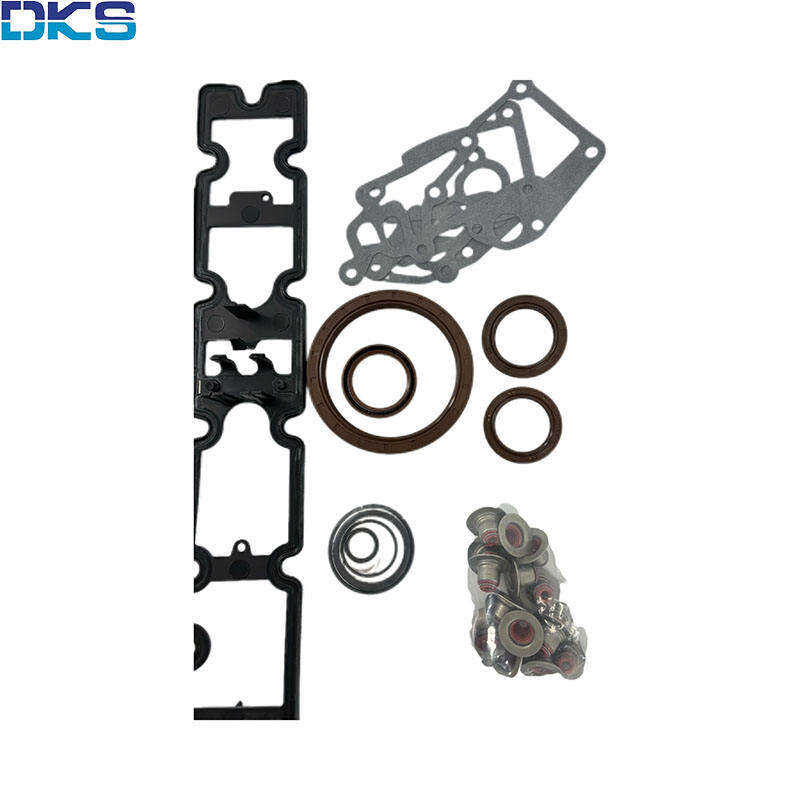
In today's competitive automotive industry, businesses face mounting pressure to reduce operational costs while maintaining high-quality service standards. One strategic approach that has proven effective for automotive dealerships, repair shops, and fleet managers is purchasing engine components in bulk quantities. This procurement method offers substantial financial advantages that can significantly impact your bottom line, particularly when dealing with essential components like engine air filter units and other critical automotive parts.

The automotive aftermarket industry generates billions in revenue annually, with engine components representing a substantial portion of this market. Smart procurement strategies can help businesses capitalize on volume discounts, reduce per-unit costs, and streamline inventory management processes. Understanding the comprehensive cost benefits of bulk purchasing requires examining multiple factors including unit pricing, shipping costs, inventory optimization, and long-term business sustainability.
Understanding Volume Pricing Advantages
Manufacturer Discount Structures
Automotive parts manufacturers typically implement tiered pricing structures that reward larger purchase volumes with progressively better pricing. These discount tiers often begin at modest quantities and scale significantly for bulk orders. When purchasing engine air filter components, businesses can expect price reductions ranging from 10% to 40% depending on order size and manufacturer relationships.
Most suppliers establish minimum order quantities that unlock their best pricing tiers. These thresholds vary by component type, with common maintenance items like engine air filter units often requiring orders of 50 to 100 pieces to achieve optimal pricing. Establishing relationships with key suppliers allows businesses to negotiate even better terms based on projected annual volumes.
Economies of Scale in Production
Manufacturers achieve cost savings through economies of scale when producing larger batches of components. These savings often translate into better pricing for customers placing substantial orders. Production efficiency improvements, reduced setup costs per unit, and optimized material utilization all contribute to lower manufacturing costs that suppliers can pass along to bulk purchasers.
The production economics of engine air filter manufacturing demonstrate this principle clearly. Large production runs reduce the per-unit allocation of fixed costs including tooling, quality control, and packaging. Suppliers can afford to offer better pricing on bulk orders because their production efficiency improves with volume.
Logistics and Transportation Cost Reduction
Shipping Cost Optimization
Transportation costs represent a significant portion of total procurement expenses, particularly for businesses requiring frequent deliveries of small quantities. Bulk purchasing dramatically reduces shipping costs per unit by maximizing container utilization and reducing delivery frequency. A single shipment of 100 engine air filter units costs substantially less per piece than ten separate shipments of 10 units each.
Freight carriers offer significant discounts for full truckload shipments compared to less-than-truckload deliveries. Businesses can achieve 30% to 50% savings on transportation costs by consolidating orders into larger shipments. These savings compound over time, creating substantial annual cost reductions for companies with consistent parts requirements.
Reduced Administrative Overhead
Processing numerous small orders creates administrative burden through repeated purchasing activities, vendor communications, and receiving procedures. Bulk purchasing reduces these administrative costs by consolidating multiple transactions into single, larger orders. This efficiency improvement frees up staff time for higher-value activities while reducing overall procurement costs.
The time saved on order processing, invoice management, and inventory receiving can be substantial. A single bulk order for engine air filter components might replace dozens of individual purchases throughout the year, dramatically reducing administrative workload and associated costs.
Inventory Management and Cash Flow Benefits
Reduced Stockout Costs
Maintaining adequate inventory levels of essential components prevents costly stockouts that can disrupt service operations. Bulk purchasing provides buffer inventory that reduces the risk of running out of critical items like engine air filter components during peak demand periods or supply chain disruptions.
Stockouts can result in lost sales, customer dissatisfaction, and emergency procurement at premium prices. The cost of expedited shipping for emergency orders often exceeds the savings achieved through just-in-time inventory management. Bulk purchasing provides insurance against these scenarios while maintaining competitive service levels.
Improved Cash Flow Predictability
Bulk purchasing creates more predictable cash flow patterns by consolidating multiple smaller expenditures into planned, larger purchases. This predictability assists with budget planning and financial forecasting. Businesses can schedule bulk purchases to align with favorable cash flow periods or take advantage of seasonal supplier promotions.
Many suppliers offer extended payment terms for bulk orders, providing additional cash flow advantages. These terms might include net 60 or net 90 payment options that aren't available for smaller orders, effectively providing interest-free financing for inventory investments.
Quality and Consistency Advantages
Uniform Product Batches
Purchasing engine air filter components in bulk often ensures product consistency across your inventory. Components from the same production batch typically exhibit uniform quality characteristics, performance specifications, and dimensional tolerances. This consistency reduces variability in service quality and customer satisfaction.
Batch consistency becomes particularly important when servicing fleets or maintaining multiple vehicles with identical specifications. Using engine air filter units from the same production run ensures consistent filtration performance and service intervals across the entire fleet.
Enhanced Quality Control Opportunities
Bulk purchasing provides opportunities for more thorough quality control processes. When receiving large quantities, businesses can implement statistical sampling procedures to verify product quality without inspecting every individual component. This approach provides confidence in overall batch quality while maintaining efficient receiving processes.
Suppliers often provide more comprehensive quality documentation for bulk orders, including batch certificates, testing reports, and compliance documentation. This information supports quality assurance programs and provides traceability for warranty or service issues.
Strategic Supplier Relationship Benefits
Preferred Customer Status
Consistent bulk purchasing establishes businesses as preferred customers with their suppliers. This status often results in priority treatment during supply shortages, advance notice of price changes, and access to new products before general availability. Preferred customers frequently receive better technical support and faster resolution of quality issues.
The relationship benefits extend beyond pricing to include value-added services such as customized packaging, drop-shipping arrangements, and consignment inventory programs. These services can provide additional cost savings and operational efficiencies that compound the direct pricing benefits of bulk purchasing.
Long-term Contract Opportunities
Bulk purchasing volume creates opportunities for long-term supply contracts that lock in favorable pricing and ensure supply continuity. These agreements protect against market price volatility while guaranteeing product availability. Contract terms might include annual volume commitments in exchange for guaranteed pricing for engine air filter components and other essential parts.
Long-term contracts provide budget certainty and eliminate the time spent on repetitive vendor negotiations. The predictability benefits both parties, allowing suppliers to plan production more effectively while providing customers with stable pricing and reliable supply chains.
Market Timing and Strategic Advantages
Seasonal Purchasing Opportunities
The automotive parts market experiences seasonal demand fluctuations that create strategic purchasing opportunities. Suppliers often offer promotional pricing during slower periods to maintain production levels and clear inventory. Bulk purchasing allows businesses to capitalize on these opportunities by stocking up on engine air filter components and other parts during promotional periods.
End-of-quarter and end-of-year sales events frequently provide exceptional pricing on bulk orders as suppliers work to achieve revenue targets. Strategic timing of bulk purchases can result in additional savings beyond standard volume discounts.
Market Protection Against Price Increases
Raw material costs and manufacturing expenses fluctuate based on economic conditions, creating upward pressure on component prices over time. Bulk purchasing provides protection against these increases by locking in current pricing for extended periods. The inventory investment acts as a hedge against inflation in parts costs.
Recent supply chain disruptions have demonstrated the value of inventory buffers in maintaining stable operations. Businesses with adequate stock levels of critical components like engine air filter units were able to maintain service levels while competitors struggled with availability and pricing volatility.
FAQ
How much inventory investment is required for effective bulk purchasing of engine components
The optimal inventory investment varies based on business size, sales volume, and cash flow capacity. Most successful bulk purchasing programs involve 3-6 months of inventory for fast-moving items like engine air filter components. This level provides sufficient volume discounts while maintaining reasonable inventory turnover rates. Start with high-volume, stable-demand items to minimize risk while maximizing savings opportunities.
What are the main risks associated with bulk purchasing automotive parts
Primary risks include inventory obsolescence, cash flow impact, and storage requirements. Obsolescence risk can be managed by focusing on universal applications and avoiding model-specific parts with limited demand. Cash flow impact requires careful planning to ensure bulk purchases don't strain operational finances. Storage costs and space requirements must be factored into the total cost analysis to ensure bulk purchasing remains profitable.
How do I determine the optimal order quantities for different engine components
Optimal order quantities depend on demand velocity, supplier pricing tiers, and carrying costs. Analyze historical usage data for engine air filter components and other parts to establish baseline demand patterns. Compare volume discount savings against carrying costs including storage, insurance, and opportunity costs. Most businesses find that ordering 3-4 months of projected demand optimizes the balance between savings and inventory investment.
Can small automotive businesses benefit from bulk purchasing strategies
Small businesses can benefit from bulk purchasing through cooperative buying groups, distributor programs, and selective bulk purchasing of high-volume items. Focus on universal parts like engine air filter components that serve multiple vehicle applications. Consider partnering with other local businesses to achieve minimum order quantities for better pricing. Start with one or two high-volume categories to test the approach before expanding the bulk purchasing program.
Table of Contents
- Understanding Volume Pricing Advantages
- Logistics and Transportation Cost Reduction
- Inventory Management and Cash Flow Benefits
- Quality and Consistency Advantages
- Strategic Supplier Relationship Benefits
- Market Timing and Strategic Advantages
-
FAQ
- How much inventory investment is required for effective bulk purchasing of engine components
- What are the main risks associated with bulk purchasing automotive parts
- How do I determine the optimal order quantities for different engine components
- Can small automotive businesses benefit from bulk purchasing strategies