
 EN
EN
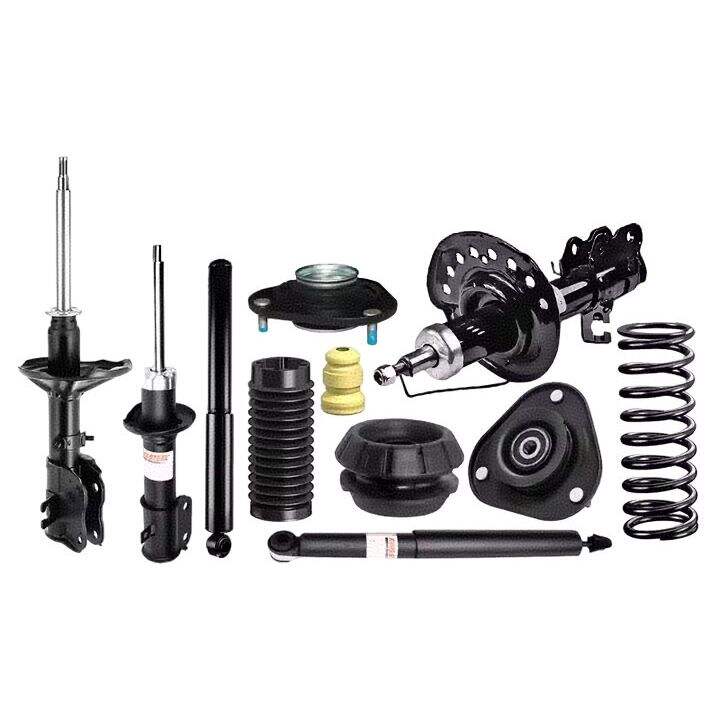
Understanding when shock absorbers require replacement is crucial for maintaining vehicle safety, comfort, and performance. These essential suspension components gradually deteriorate over time and mileage, making it challenging for drivers to recognize when replacement becomes necessary. Unlike sudden mechanical failures, shock absorber degradation occurs progressively, often making symptoms subtle until the problem becomes severe enough to affect driving dynamics and passenger safety.
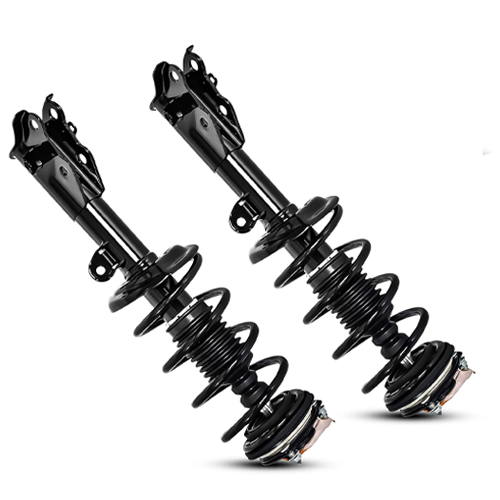
Professional automotive technicians recommend monitoring specific warning signs that indicate compromised shock absorber function before complete failure occurs. Recognizing these indicators early allows vehicle owners to address suspension issues proactively, preventing more extensive damage to tires, steering components, and other suspension parts. The ability to identify failing shock absorbers protects both vehicle investment and passenger safety while ensuring optimal driving comfort across various road conditions.
Physical Inspection Warning Signs
Visible Fluid Leaks Around Shock Absorbers
Hydraulic fluid leakage represents one of the most definitive signs that shock absorbers need immediate replacement. When internal seals deteriorate, shock absorber fluid escapes and creates visible wet spots or dried residue around the shock body and mounting points. Fresh leaks appear as dark, oily stains on the shock absorber cylinder, while older leaks show as dried, crusty deposits that attract dirt and debris.
The presence of any fluid leakage indicates that shock absorbers have lost their ability to maintain proper internal pressure and damping characteristics. Even minor leaks compromise suspension performance significantly because these components rely on precise fluid pressure to control wheel movement effectively. Vehicle owners should inspect shock absorbers regularly by looking underneath the vehicle near each wheel for signs of fluid accumulation or staining on the shock absorber housing.
Professional mechanics can distinguish between minor surface moisture and actual structural leaks that require immediate shock absorber replacement. Significant fluid loss from shock absorbers creates safety hazards by reducing the suspension system's ability to maintain tire contact with road surfaces during braking, acceleration, and cornering maneuvers.
Damaged or Corroded Shock Absorber Components
External damage to shock absorber housings, mounting hardware, or protective boots indicates potential internal component failure that necessitates replacement. Corrosion, dents, or physical damage to the shock absorber cylinder can compromise internal seals and fluid retention capabilities. Damaged dust boots that protect the piston rod allow contaminants to enter the shock absorber assembly, accelerating internal wear and reducing component lifespan.
Bent or damaged piston rods prevent smooth shock absorber operation and create uneven damping characteristics that affect vehicle stability. Corroded mounting points or worn bushings around shock absorbers can create excessive play in the suspension system, leading to handling problems and accelerated tire wear. Visual inspection should include examining all shock absorber mounting points, protective covers, and connecting hardware for signs of deterioration or damage.
Rust or corrosion on shock absorber components often indicates exposure to road salt, moisture, or harsh environmental conditions that can compromise internal sealing systems. When external damage is visible, internal components have likely suffered similar deterioration that requires complete shock absorber replacement to restore proper suspension function.
Vehicle Handling and Performance Indicators
Excessive Vehicle Bouncing and Poor Ride Quality
When shock absorbers lose their damping effectiveness, vehicles exhibit characteristic bouncing behavior that becomes particularly noticeable over road irregularities, speed bumps, or after hitting potholes. Properly functioning shock absorbers should control spring oscillations and bring the vehicle to a stable position quickly after encountering road disturbances. Worn shock absorbers allow springs to continue bouncing multiple times, creating an uncomfortable and potentially unsafe driving experience.
The bounce test provides a simple method for evaluating shock absorber condition without specialized equipment. Pushing down firmly on each corner of the vehicle and releasing should result in the vehicle returning to its normal position with minimal additional movement. If the vehicle continues bouncing more than once or twice after release, the shock absorbers likely require replacement to restore proper damping control.
Poor ride quality manifests as increased sensitivity to road surface variations, harsh impacts from minor road irregularities, and general discomfort during normal driving conditions. Passengers may notice increased cabin movement, especially during lane changes, braking, or acceleration. These symptoms indicate that shock absorbers can no longer effectively isolate the vehicle body from suspension movement, requiring replacement to restore comfort and control.
Steering and Stability Problems
Compromised shock absorbers significantly impact vehicle steering responsiveness and directional stability, particularly during emergency maneuvers or adverse weather conditions. When shock absorbers fail to maintain proper tire contact with road surfaces, steering inputs become less predictable and require more effort to maintain vehicle control. Drivers may notice increased steering wheel vibration, especially during braking or when encountering road surface irregularities.
Vehicle wandering or difficulty maintaining straight-line tracking often indicates that shock absorbers are no longer providing adequate wheel control. This condition becomes particularly dangerous during highway driving or when sudden steering corrections are necessary to avoid obstacles. Worn shock absorbers allow wheels to lose contact with road surfaces momentarily, reducing available traction for steering, braking, and acceleration.
Increased body roll during cornering maneuvers signals that shock absorbers cannot effectively control suspension movement under lateral forces. This condition reduces cornering capability and increases the risk of rollover in extreme situations. Professional evaluation of steering and stability problems should include comprehensive shock absorber assessment to determine if replacement is necessary for safe vehicle operation.
Braking Performance and Safety Concerns
Extended Stopping Distances and Brake Fade
Failing shock absorbers directly impact braking performance by reducing tire contact with road surfaces during deceleration. When shock absorbers cannot control wheel movement effectively, weight transfer during braking creates uneven tire loading that extends stopping distances and reduces overall braking efficiency. This condition becomes particularly hazardous during emergency stops or when driving on wet or slippery surfaces.
Vehicle nose diving during braking indicates that front shock absorbers cannot control suspension compression under load transfer forces. Excessive nose diving shifts vehicle weight forward, reducing rear tire traction and potentially causing rear wheel lockup during hard braking. This weight distribution problem can lead to vehicle instability and loss of steering control during critical braking situations.
Brake fade or reduced braking effectiveness may occur when worn shock absorbers allow excessive wheel movement that interferes with brake system operation. Inconsistent brake pedal feel or variable stopping power often accompanies shock absorber deterioration, particularly when combined with other suspension wear patterns. Professional brake system evaluation should include shock absorber assessment to ensure optimal braking performance and safety.
Tire Wear Patterns and Traction Loss
Irregular tire wear patterns provide clear evidence of shock absorber deterioration that affects tire contact with road surfaces. Cupping or scalloping wear patterns on tire treads indicate that shock absorbers cannot maintain consistent tire-to-road contact during normal driving conditions. These wear patterns typically appear as regular high and low spots around the tire circumference, creating noise and vibration while driving.
Premature tire wear on inside or outside edges often results from suspension geometry changes caused by worn shock absorbers that allow excessive wheel movement. When shock absorbers fail to control suspension travel properly, wheel alignment becomes unstable and creates uneven tire loading patterns. This condition not only reduces tire lifespan but also compromises vehicle traction and handling characteristics.
Traction loss during acceleration, braking, or cornering may indicate that shock absorbers cannot maintain adequate tire contact pressure under dynamic loading conditions. Reduced traction capability increases stopping distances, limits acceleration performance, and reduces cornering stability. Regular tire inspection and rotation can help identify shock absorber problems before they create safety hazards or require more extensive suspension repairs.
Mileage and Age-Related Replacement Indicators
Manufacturer Recommended Service Intervals
Most automotive manufacturers recommend shock absorber inspection and potential replacement between 50,000 and 100,000 miles, depending on vehicle type, driving conditions, and shock absorber design. Heavy-duty vehicles or those operated in severe conditions may require more frequent shock absorber replacement to maintain optimal performance and safety. Commercial vehicles and trucks typically need shock absorber service at shorter intervals due to increased loading and operating demands.
Age-related deterioration affects shock absorbers even when mileage remains relatively low, particularly in vehicles stored outdoors or operated in harsh environmental conditions. Internal seals and fluid characteristics can degrade over time, reducing damping effectiveness regardless of actual usage patterns. Vehicle owners should consider shock absorber replacement based on age when vehicles exceed eight to ten years of service, even with lower mileage accumulation.
Professional maintenance schedules should include regular shock absorber evaluation as part of comprehensive suspension system inspection. Early identification of shock absorber wear allows for planned replacement that prevents more extensive suspension damage and maintains vehicle safety standards. Following manufacturer recommendations helps ensure optimal vehicle performance and prevents premature wear of other suspension components.
Driving Condition Impact on Replacement Timing
Severe driving conditions significantly accelerate shock absorber wear and may require replacement intervals shorter than standard manufacturer recommendations. Frequent operation on rough roads, construction zones, or unpaved surfaces subjects shock absorbers to increased stress that reduces component lifespan. Stop-and-go city driving, heavy loading, or towing applications create additional demands that require more frequent shock absorber evaluation.
Climate conditions also influence shock absorber deterioration rates, with extreme temperatures, high humidity, or road salt exposure accelerating component wear. Vehicles operated in coastal areas or regions with harsh winter conditions may require more frequent shock absorber replacement due to corrosion and seal degradation. Professional assessment should consider local operating conditions when determining appropriate replacement intervals.
Performance driving or aggressive driving styles place additional stress on shock absorbers that can reduce component lifespan significantly. Track use, autocross events, or spirited driving create demands that exceed normal shock absorber design parameters and require more frequent inspection and replacement. Vehicle owners who engage in performance driving should monitor shock absorber condition closely and replace components at shorter intervals to maintain safety and performance.
FAQ
How often should shock absorbers be replaced on average vehicles?
Most shock absorbers require replacement between 50,000 and 100,000 miles under normal driving conditions, though severe operating environments may necessitate earlier replacement. Vehicle age, driving habits, road conditions, and climate factors all influence shock absorber lifespan. Regular professional inspection every 20,000 miles helps identify wear patterns before complete failure occurs, allowing for planned replacement that maintains vehicle safety and performance.
Can I replace just one shock absorber if only one shows signs of failure?
While technically possible, replacing shock absorbers in pairs (both front or both rear) ensures balanced suspension performance and prevents uneven handling characteristics. Mismatched shock absorber damping rates can create vehicle instability, particularly during braking or cornering maneuvers. Most automotive professionals recommend replacing shock absorbers in axle sets to maintain proper vehicle dynamics and prevent premature wear of the remaining original components.
What happens if I continue driving with worn shock absorbers?
Continuing to operate a vehicle with worn shock absorbers creates multiple safety hazards including extended stopping distances, reduced steering control, and increased tire wear. Poor shock absorber function can lead to loss of vehicle control during emergency maneuvers and may cause damage to other suspension components, tires, and steering systems. The cost of delayed replacement typically exceeds immediate shock absorber replacement due to secondary damage and safety risks.
Are there different types of shock absorbers that affect replacement timing?
Gas-charged shock absorbers typically provide longer service life and more consistent performance compared to traditional hydraulic units, though both types exhibit similar failure symptoms when replacement becomes necessary. Heavy-duty or performance shock absorbers may offer extended durability under severe conditions but require replacement using the same diagnostic criteria. The type of shock absorber affects performance characteristics but not the fundamental signs that indicate replacement needs.