Understanding Car Engine Components: A Comprehensive Guide to Modern Automotive Engineering

All Categories

Get a Free Quote

Our representative will contact you soon.
Email
Name
Company Name
Message
0/1000

major parts of a car engine

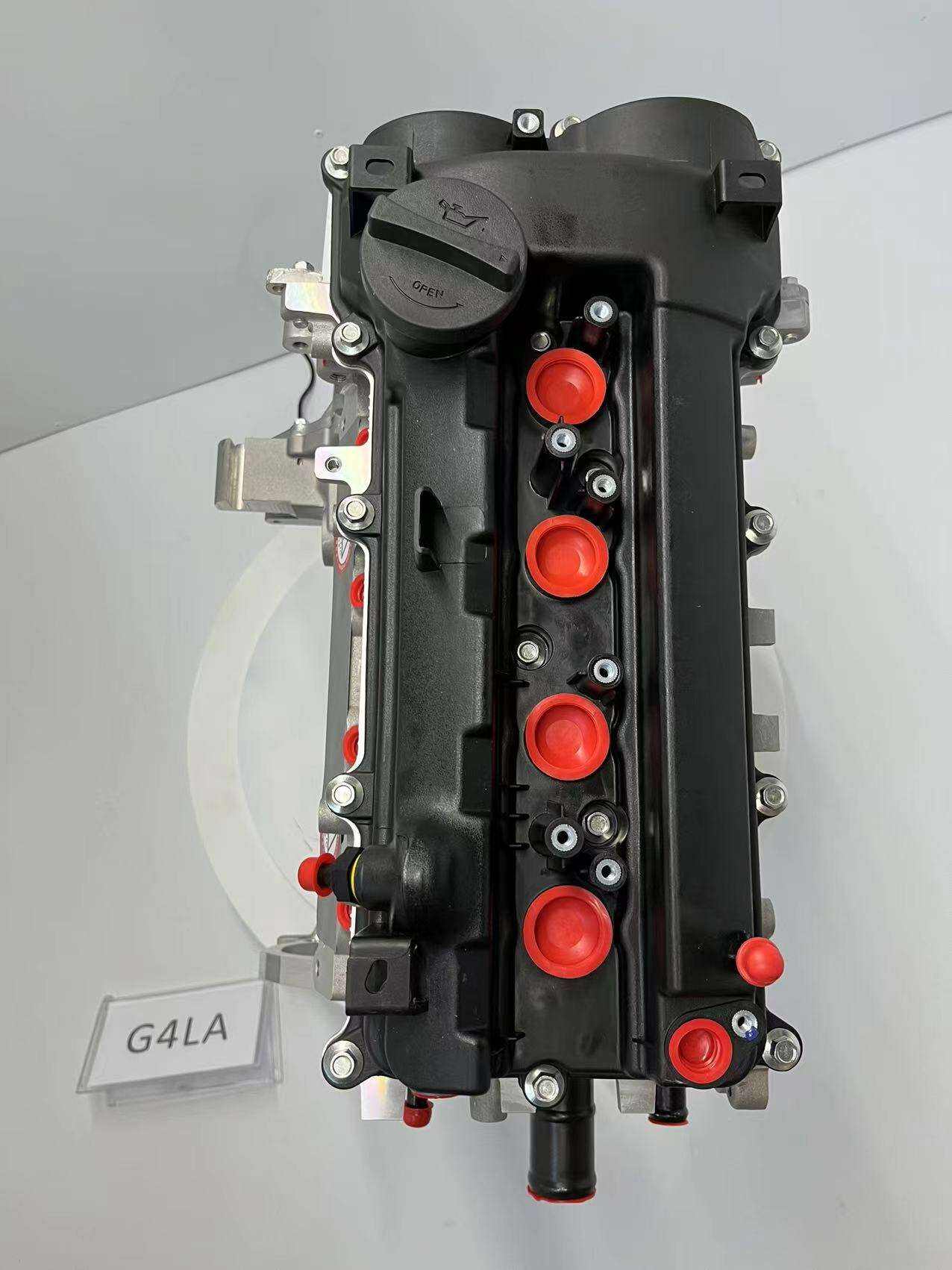
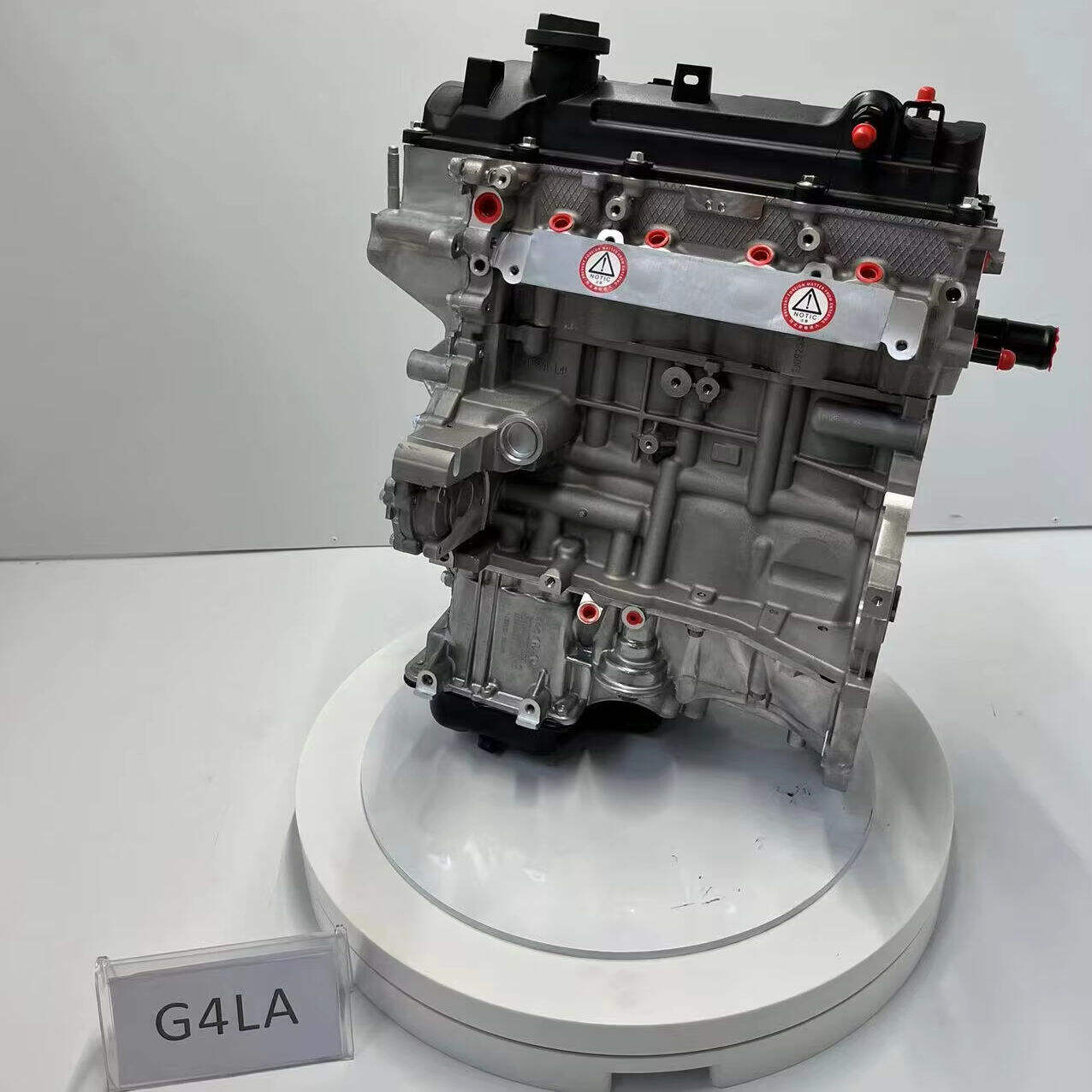
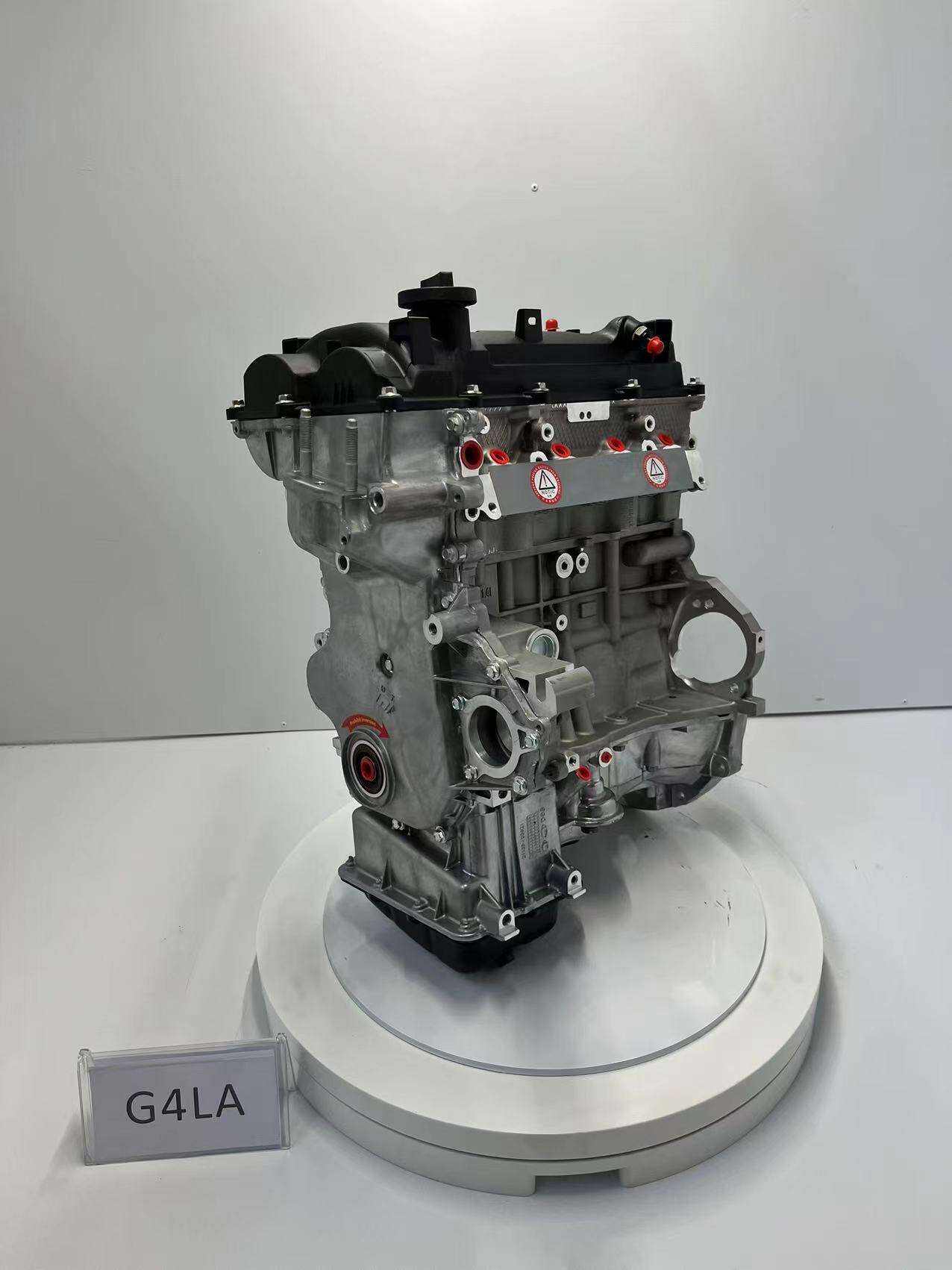
A car engine represents the heart of any vehicle, comprising several essential components working in harmony to deliver power and performance. The engine block, often called the cylinder block, serves as the foundation, housing the cylinders where combustion occurs. Inside, pistons move up and down, converting fuel energy into mechanical power through the crankshaft. The cylinder head sits atop the engine block, containing intake and exhaust valves, which control the flow of air-fuel mixture and exhaust gases. The fuel injection system precisely delivers fuel to each cylinder, while the ignition system creates the spark necessary for combustion. The timing belt or chain ensures all these components operate in perfect synchronization. Modern engines also feature sophisticated cooling systems, including a radiator and water pump, to maintain optimal operating temperatures. The exhaust system, comprising manifolds, catalytic converters, and mufflers, manages emissions and noise. Additionally, the lubrication system, powered by the oil pump, keeps all moving parts properly lubricated, reducing friction and wear. These components work together seamlessly to provide reliable performance, fuel efficiency, and environmental compliance, making modern car engines marvels of engineering technology.
Popular Products

Car engine components offer numerous practical benefits that directly impact vehicle performance and owner satisfaction. The precision-engineered engine block provides exceptional durability and stability, ensuring long-term reliability and reduced maintenance costs. Modern fuel injection systems deliver optimal fuel-air mixtures, resulting in improved fuel economy and reduced emissions, saving money at the pump while protecting the environment. Advanced cylinder head designs maximize combustion efficiency, providing better power output and acceleration when needed. The sophisticated cooling system prevents overheating and extends engine life, reducing the risk of costly repairs. Variable valve timing technology allows for better performance across all speed ranges, improving both city and highway driving experiences. Enhanced lubrication systems with superior oil filtration protect engine components, leading to longer engine life and maintained performance over time. Modern ignition systems ensure reliable starting in all weather conditions and optimize combustion for better power delivery. The integrated exhaust system effectively reduces harmful emissions while maintaining optimal back pressure for better engine performance. Electronic engine management systems continuously monitor and adjust engine parameters for optimal operation, providing better reliability and consistency. These advantages combine to create a robust, efficient, and reliable power plant that meets modern driving demands while providing excellent value for owners.

Tips And Tricks

More Than Just Stopping: A Deep Dive into the Materials and Craftsmanship of SUOKE High-Performance Brake Pads

07

Jul

More Than Just Stopping: A Deep Dive into the Materials and Craftsmanship of SUOKE High-Performance Brake Pads

View More
The Next Frontier in the NEV Aftermarket: Why High-Quality EV-Compatible Parts are Your Must-Win Territory

16

Jul

The Next Frontier in the NEV Aftermarket: Why High-Quality EV-Compatible Parts are Your Must-Win Territory

View More
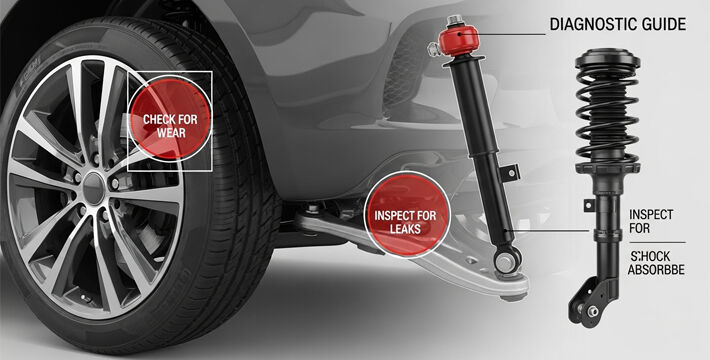
A Guide to Improving Customer Satisfaction: From Strange Noises to Steering Pull, How to Accurately Diagnose Suspension Problems and Select the Right Parts

07

Jul

A Guide to Improving Customer Satisfaction: From Strange Noises to Steering Pull, How to Accurately Diagnose Suspension Problems and Select the Right Parts

View More

Get a Free Quote

Our representative will contact you soon.
Email
Name
Company Name
Message
0/1000

major parts of a car engine

Advanced Engine Block Technology

Advanced Engine Block Technology

Modern engine blocks represent the pinnacle of automotive engineering, utilizing advanced materials and manufacturing techniques to deliver exceptional performance and durability. These blocks are typically crafted from high-strength aluminum alloys or cast iron, incorporating precise cylinder boring and surface finishing for optimal piston movement. The design includes integrated cooling channels that ensure uniform temperature distribution, preventing warping and extending engine life. Advanced metallurgy and thermal management techniques result in blocks that can withstand higher compression ratios and operating temperatures while maintaining dimensional stability. The incorporation of structural reinforcements in critical areas provides superior rigidity, reducing vibration and noise while improving overall engine performance. This technology represents a perfect balance between weight reduction and structural integrity, contributing to better fuel efficiency without compromising durability.
Innovative Fuel Management Systems

Innovative Fuel Management Systems

Contemporary fuel management systems incorporate cutting-edge technology to optimize fuel delivery and combustion efficiency. Direct injection systems precisely control fuel spray patterns and timing, maximizing power output while minimizing fuel consumption. Variable fuel pressure systems adapt to different driving conditions, ensuring optimal atomization at all engine speeds. Advanced sensors continuously monitor fuel mixture and combustion quality, allowing real-time adjustments for optimal performance. The integration of electronic control units enables sophisticated fuel mapping strategies that balance power delivery with efficiency. These systems also feature self-learning capabilities that adapt to driving patterns and environmental conditions, maintaining peak performance throughout the engine's life cycle.
State-of-the-Art Thermal Management

State-of-the-Art Thermal Management

Modern engine thermal management systems represent a quantum leap in cooling technology and efficiency. These systems utilize advanced coolant formulations and precisely controlled electric pumps to maintain optimal operating temperatures under all conditions. Variable-speed cooling fans and electronically controlled thermostats provide dynamic temperature control, improving both performance and efficiency. The integration of multiple temperature sensors throughout the engine enables precise monitoring and control of thermal conditions in different engine zones. Advanced radiator designs with optimized fin structures and flow patterns provide superior heat dissipation while maintaining compact dimensions. This sophisticated approach to thermal management extends engine life, improves performance, and contributes to better fuel economy by maintaining ideal operating temperatures.

Get a Free Quote

Our representative will contact you soon.
Email
Name
Company Name
Message
0/1000