High-Performance Engine Valve Components: Advanced Materials and Precision Engineering for Superior Engine Operation

All Categories

Get a Free Quote

Our representative will contact you soon.
Email
Name
Company Name
Message
0/1000

parts of valve in engine

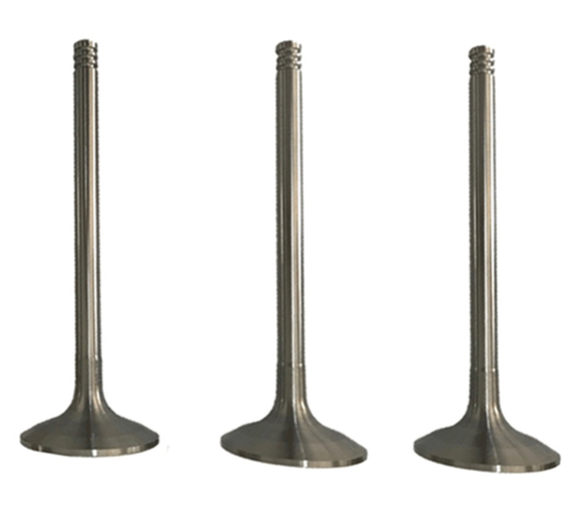
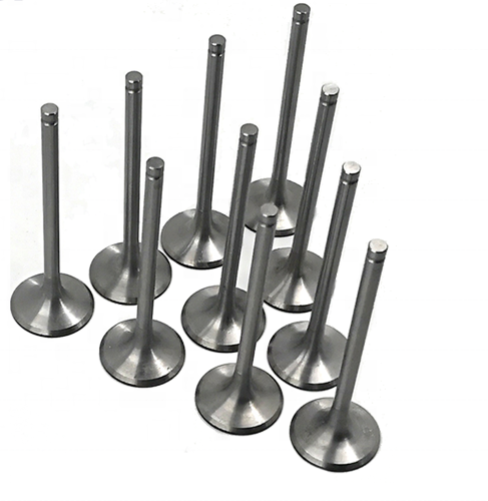
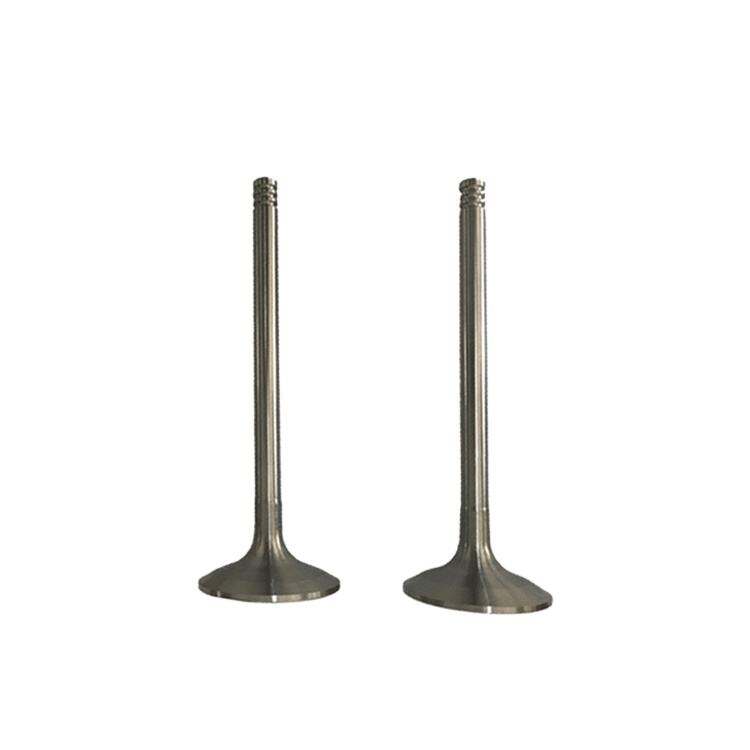
Engine valves are crucial components in internal combustion engines, comprising several essential parts that work together to control the flow of gases. The main parts include the valve head, valve stem, valve guide, valve spring, spring retainer, and valve seat. The valve head forms a seal against the valve seat to control gas flow, while the stem connects to the head and moves through the valve guide. The valve spring maintains proper tension and ensures the valve closes completely, with the spring retainer securing the spring in place. These parts are precisely engineered to withstand extreme temperatures and pressures while maintaining efficient engine operation. Modern valve components often incorporate advanced materials like chrome-molybdenum steel for the stems and sodium-filled hollow stems for improved heat dissipation. The valve guide provides stability and alignment during operation, while also helping to transfer heat from the valve to the cylinder head. These components must work in perfect harmony to ensure proper engine timing, combustion efficiency, and overall performance. The durability and precision of valve parts directly impact engine longevity and reliability, making them critical elements in both automotive and industrial applications.

New Product Releases

Engine valve parts offer numerous advantages that contribute to superior engine performance and reliability. First, modern valve components are designed with advanced materials that provide exceptional heat resistance and durability, ensuring consistent operation even under extreme conditions. The precision engineering of these parts enables optimal gas flow management, resulting in improved engine efficiency and power output. The careful integration of various valve components allows for precise timing control, which is essential for proper engine operation and fuel economy. High-quality valve parts also contribute to reduced maintenance requirements and extended engine life through their superior wear resistance and reliable operation. The use of specialized coatings and materials in valve construction helps minimize friction and wear, leading to better overall engine performance. Additionally, properly designed valve components help reduce noise and vibration, contributing to smoother engine operation. The incorporation of advanced manufacturing techniques ensures consistent quality and precise tolerances, which are crucial for maintaining proper valve clearances and sealing. These components also play a vital role in emissions control by ensuring proper combustion and exhaust gas management. The durability of modern valve parts helps maintain engine compression over time, preventing power loss and maintaining fuel efficiency. Finally, the systematic design of valve components allows for easier maintenance and replacement when necessary, reducing overall ownership costs.

Tips And Tricks

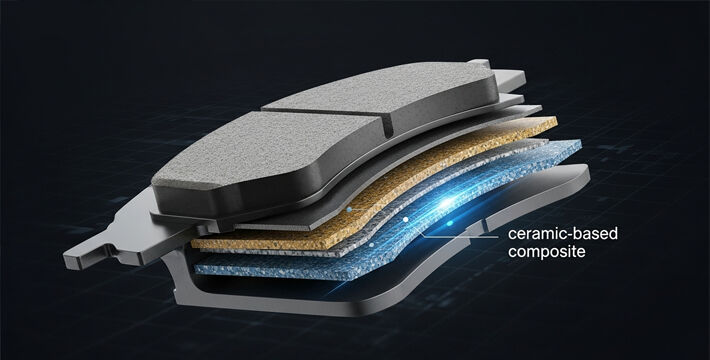
More Than Just Stopping: A Deep Dive into the Materials and Craftsmanship of SUOKE High-Performance Brake Pads

07

Jul

More Than Just Stopping: A Deep Dive into the Materials and Craftsmanship of SUOKE High-Performance Brake Pads

View More
The Next Frontier in the NEV Aftermarket: Why High-Quality EV-Compatible Parts are Your Must-Win Territory

16

Jul

The Next Frontier in the NEV Aftermarket: Why High-Quality EV-Compatible Parts are Your Must-Win Territory

View More
A Guide to Improving Customer Satisfaction: From Strange Noises to Steering Pull, How to Accurately Diagnose Suspension Problems and Select the Right Parts

07

Jul

A Guide to Improving Customer Satisfaction: From Strange Noises to Steering Pull, How to Accurately Diagnose Suspension Problems and Select the Right Parts

View More

Get a Free Quote

Our representative will contact you soon.
Email
Name
Company Name
Message
0/1000

parts of valve in engine

Advanced Material Technology

Advanced Material Technology

Modern engine valve parts showcase cutting-edge material technology that sets them apart in terms of performance and durability. The use of high-grade alloys, including chrome-molybdenum steel and titanium composites, provides exceptional strength and heat resistance. These materials enable valves to maintain their structural integrity even under extreme temperature cycles and high-pressure conditions. The implementation of specialized coatings, such as chrome and nitride treatments, further enhances wear resistance and reduces friction. Advanced manufacturing processes ensure precise material composition and consistency, resulting in components that maintain their properties throughout their service life. This material innovation directly translates to extended component life, reduced maintenance requirements, and improved engine performance.
Precision Engineering and Design

Precision Engineering and Design

The engineering precision in valve components represents a culmination of advanced design principles and manufacturing excellence. Each component is designed with exact tolerances that ensure perfect fitment and operation within the engine system. The profile of valve heads is carefully optimized to maximize gas flow while maintaining proper sealing characteristics. Valve stems feature precise dimensional control and surface finish to minimize friction and wear within the valve guides. The spring design incorporates specific wire materials and coil configurations to provide optimal valve control across all operating conditions. This attention to detail in engineering ensures consistent performance, reliable operation, and enhanced engine efficiency.
Enhanced Performance Integration

Enhanced Performance Integration

The integration of valve components creates a synergistic system that enhances overall engine performance. The careful matching of valve springs to valve weight and operating conditions ensures proper valve control at all engine speeds. Advanced seating designs provide improved sealing and heat transfer characteristics, contributing to better combustion efficiency. The relationship between valve guide clearances and stem dimensions is optimized to maintain proper oil control while ensuring smooth operation. This systematic approach to component integration results in improved power output, better fuel economy, and reduced emissions. The harmonious operation of all valve components contributes to extended engine life and reliable performance under various operating conditions.

Get a Free Quote

Our representative will contact you soon.
Email
Name
Company Name
Message
0/1000