
 EN
EN
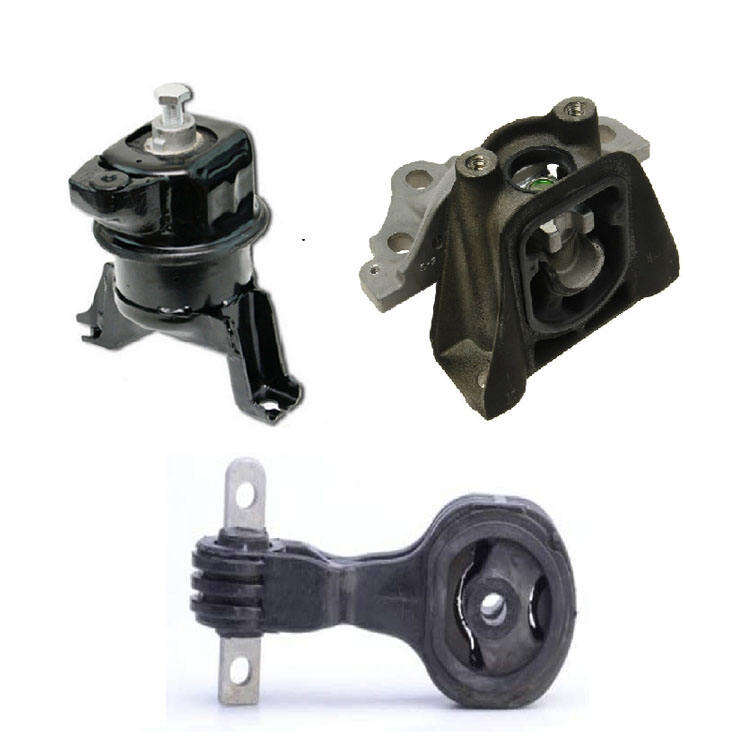
The manufacturing landscape for engine components is undergoing a profound transformation. Driven by tightening emissions regulations, the accelerating shift toward electrification, and the relentless demand for higher performance at lower cost, manufacturers across the automotive and industrial sectors are rethinking how engine components are designed, produced, and validated. These are not incremental adjustments — they represent a fundamental reimagining of what it means to build reliable, efficient, and future-ready powertrains.
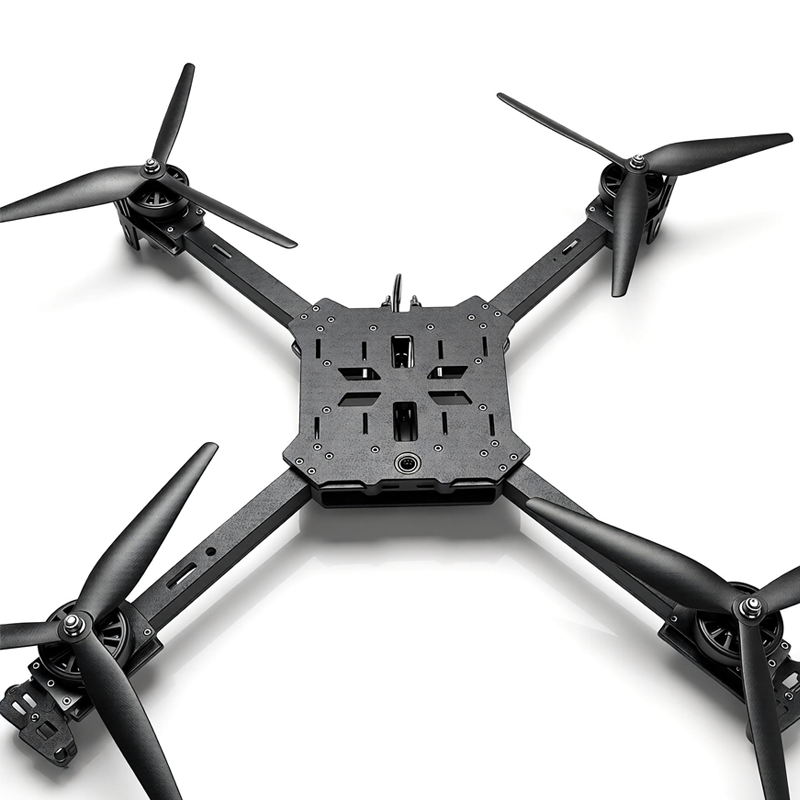
Understanding the trends shaping engine components manufacturing is essential for procurement professionals, engineers, and business leaders who need to make informed sourcing and investment decisions. From advanced materials to digital manufacturing platforms, the forces reshaping this industry are converging faster than many anticipated. This article examines the most significant trends and explains what they mean for the future of engine components production and supply chains.
Advanced Materials Redefining Engine Component Performance
Lightweight Alloys and Composite Integration
One of the most consequential shifts in engine components manufacturing is the widespread adoption of lightweight alloys and composite materials. Aluminum alloys, magnesium-based compounds, and titanium are increasingly replacing traditional cast iron in critical engine components such as cylinder heads, pistons, and connecting rods. The primary driver is weight reduction — lighter engine components directly contribute to improved fuel efficiency and reduced emissions without sacrificing structural integrity.
Composite materials, including carbon fiber reinforced polymers, are also entering the engine components space, particularly in high-performance and motorsport applications. While cost remains a barrier to mass adoption, ongoing advances in manufacturing processes are steadily bringing composite engine components within reach of mainstream production volumes. Engineers are now designing engine components with material performance as a primary variable rather than an afterthought.
The shift to advanced materials also demands new joining and finishing techniques. Traditional welding and machining processes must be adapted or replaced when working with lightweight alloys, which behave differently under thermal and mechanical stress. This is pushing manufacturers to invest in specialized tooling and process expertise specifically calibrated for next-generation engine components.
Thermal and Wear-Resistant Coatings
As combustion temperatures rise in pursuit of greater thermal efficiency, engine components must withstand increasingly hostile operating environments. Thermal barrier coatings, diamond-like carbon coatings, and ceramic surface treatments are becoming standard features on high-value engine components such as exhaust valves, piston crowns, and turbocharger housings. These coatings extend service life, reduce friction losses, and allow engine components to operate reliably at temperatures that would degrade uncoated surfaces.
The application of advanced coatings is also enabling engine components to be manufactured from base materials that would otherwise be unsuitable for high-temperature environments. This opens new design possibilities and allows manufacturers to optimize the cost-performance balance across the entire engine components portfolio. Coating technology is no longer a niche specialty — it is becoming a core competency for competitive engine components suppliers.
Precision Manufacturing Technologies Driving Quality and Efficiency
CNC Machining and Multi-Axis Processing
Modern engine components demand tolerances that were practically unachievable a decade ago. Five-axis and multi-axis CNC machining centers are now central to the production of complex engine components including crankshafts, camshafts, and cylinder blocks. These platforms allow manufacturers to complete multiple operations in a single setup, reducing handling time, minimizing dimensional variation, and improving the geometric accuracy of finished engine components.
The integration of in-process measurement systems within CNC platforms is another significant development. Real-time dimensional feedback allows machines to self-correct during the cutting process, ensuring that engine components consistently meet specification without relying solely on post-process inspection. This closed-loop approach to precision manufacturing is raising the quality floor across the engine components industry.
High-speed machining strategies are also reducing cycle times for engine components without compromising surface finish quality. Advances in cutting tool geometry, coatings, and coolant delivery are enabling manufacturers to push spindle speeds and feed rates well beyond what was previously practical, making precision engine components production more economically viable at scale.
Additive Manufacturing and Hybrid Production Approaches
Additive manufacturing — commonly known as 3D printing — is moving from prototyping into limited production of engine components. Metal powder bed fusion and directed energy deposition processes are being used to produce complex engine components geometries that are impossible or prohibitively expensive to achieve through conventional subtractive methods. Internal cooling channels, lattice structures, and topology-optimized forms are now practical design options for engine components engineers.
Hybrid manufacturing systems that combine additive and subtractive processes in a single machine are particularly promising for engine components production. These platforms allow manufacturers to build near-net-shape engine components via additive deposition and then finish critical surfaces to tight tolerances using integrated CNC machining. The result is a more flexible and material-efficient production pathway for complex engine components.
While additive manufacturing is not yet displacing conventional production for high-volume engine components, its role in low-volume, high-complexity, and rapid-iteration applications is firmly established. As material costs fall and process speeds increase, the boundary between additive and conventional engine components manufacturing will continue to blur.
Digitalization and Smart Manufacturing in Engine Component Production
Digital Twins and Simulation-Driven Design
Digital twin technology is transforming how engine components are designed and validated before a single physical part is produced. By creating high-fidelity virtual models of engine components and their operating environments, engineers can simulate thermal loads, stress distributions, fatigue behavior, and fluid dynamics with a level of accuracy that dramatically reduces the need for physical prototypes. This accelerates development cycles and allows design teams to explore a wider solution space for engine components without proportional increases in cost.
Simulation-driven design is also enabling predictive optimization of engine components. Rather than designing to meet a minimum specification, engineers can use digital tools to identify the optimal geometry, material, and surface treatment combination for each engine component based on its specific duty cycle. This approach is producing engine components that are simultaneously lighter, stronger, and more durable than their conventionally designed predecessors.
The value of digital twins extends beyond the design phase. Manufacturers are using virtual models of production lines to optimize machining sequences, identify bottlenecks, and validate process changes for engine components without disrupting live production. This digital rehearsal capability is becoming a competitive differentiator for engine components manufacturers operating in high-mix, high-precision environments.
IoT-Enabled Quality Monitoring and Traceability
The integration of Internet of Things sensors into engine components manufacturing lines is enabling a new level of process visibility. Sensors embedded in machining fixtures, cutting tools, and inspection stations continuously capture data on temperature, vibration, force, and dimensional output. This data stream allows manufacturers to detect process drift in real time and intervene before out-of-specification engine components are produced, reducing scrap rates and rework costs.
End-to-end traceability is becoming a baseline expectation for engine components supplied to automotive OEMs and tier-one suppliers. Digital manufacturing platforms now assign unique identifiers to individual engine components and record every process step, inspection result, and material batch association throughout the production lifecycle. This traceability infrastructure supports warranty analysis, recall management, and continuous improvement programs for engine components across complex global supply chains.
Sustainability Pressures Reshaping Engine Component Supply Chains
Emissions Compliance and Low-Carbon Manufacturing
Regulatory pressure on carbon emissions is reshaping not only the engine components that manufacturers produce but also how they produce them. Energy-intensive processes such as casting, forging, and heat treatment are being scrutinized for their carbon footprint, and manufacturers are investing in electrification of process equipment, renewable energy sourcing, and waste heat recovery to reduce the environmental impact of engine components production.
The push for lower-carbon engine components is also influencing material selection. Recycled aluminum and steel with high post-consumer content are gaining traction as base materials for engine components, supported by improvements in secondary metallurgy that allow recycled feedstocks to meet the demanding mechanical specifications required for critical engine components. Lifecycle thinking is becoming embedded in the design and sourcing decisions for engine components at every tier of the supply chain.
Circular Economy Principles and Remanufacturing
Remanufacturing of engine components is emerging as a significant growth segment, driven by both sustainability mandates and the economic logic of recovering value from end-of-life parts. Remanufactured engine components — crankshafts, cylinder heads, fuel injectors, and turbochargers — can meet OEM performance specifications at a fraction of the material and energy cost of new production. This is creating new business models for engine components suppliers who can build remanufacturing capabilities alongside their primary production operations.
Designing engine components for remanufacturability is an emerging discipline that requires close collaboration between design engineers and remanufacturing specialists. Engine components that are designed with disassembly, cleaning, and dimensional restoration in mind can achieve multiple service lives, significantly reducing the total resource consumption associated with each unit of performance delivered. This circular approach to engine components is gaining traction with fleet operators, aftermarket distributors, and sustainability-focused OEMs.
FAQ
How is electrification affecting the demand for traditional engine components?
The growth of battery electric vehicles is reducing demand for some traditional combustion engine components in passenger car segments. However, hybrid powertrains, commercial vehicles, industrial equipment, and power generation applications continue to drive strong demand for high-performance engine components. Manufacturers are adapting by diversifying their engine components portfolios to serve both combustion and electrified powertrain architectures.
What role does additive manufacturing play in engine components production today?
Additive manufacturing is currently most impactful in prototyping, tooling, and low-volume production of complex engine components. It enables geometries and internal features that conventional processes cannot achieve cost-effectively. While it has not replaced high-volume conventional production of engine components, its role is expanding as material options improve and process costs decline.
Why are coatings becoming more important for engine components?
As engines operate at higher temperatures and pressures to meet efficiency and emissions targets, engine components face more demanding surface conditions. Advanced coatings protect engine components from wear, corrosion, and thermal degradation, extending service life and enabling the use of lighter base materials that would otherwise be unsuitable for high-stress applications.
How are sustainability requirements changing engine components sourcing decisions?
Procurement teams are increasingly evaluating engine components suppliers on carbon footprint, material traceability, and end-of-life recyclability alongside traditional criteria such as price and quality. Suppliers who can demonstrate low-carbon production processes, use of recycled materials, and support for remanufacturing programs are gaining a competitive advantage in engine components supply chain selection.
Table of Contents
- Advanced Materials Redefining Engine Component Performance
- Precision Manufacturing Technologies Driving Quality and Efficiency
- Digitalization and Smart Manufacturing in Engine Component Production
- Sustainability Pressures Reshaping Engine Component Supply Chains
-
FAQ
- How is electrification affecting the demand for traditional engine components?
- What role does additive manufacturing play in engine components production today?
- Why are coatings becoming more important for engine components?
- How are sustainability requirements changing engine components sourcing decisions?