
 EN
EN
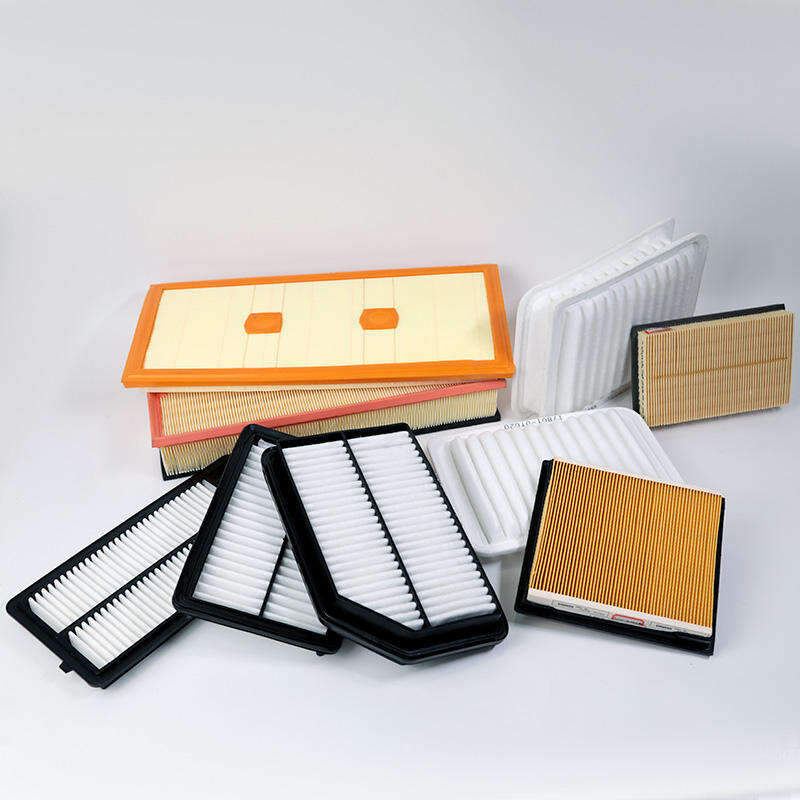
Workshop environments present unique challenges for maintaining clean air quality, making the selection of an effective cabin air filter crucial for both equipment longevity and operator health. Professional workshops, whether automotive service centers, manufacturing facilities, or industrial repair shops, generate substantial amounts of airborne particles, dust, and chemical vapors that can compromise air quality. Understanding the filtration efficiency ratings and performance characteristics of different filter types enables workshop managers to make informed decisions that protect both their workforce and sensitive equipment from contamination.
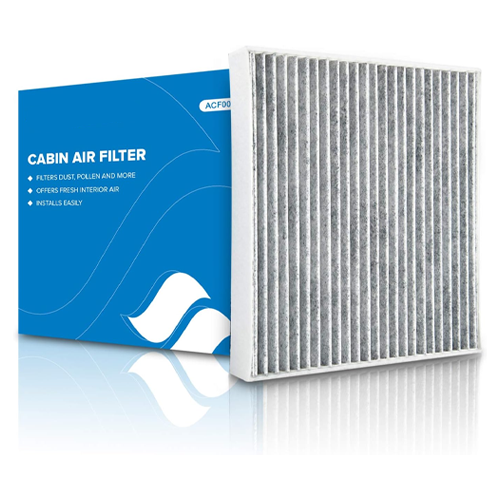
The importance of proper air filtration in workshop settings cannot be overstated, as poor air quality directly impacts productivity, equipment performance, and worker safety. Modern workshop environments often contain elevated levels of metal particles, organic solvents, hydraulic fluids, and combustion byproducts that require specialized filtration approaches. Selecting the right cabin air filter involves evaluating multiple factors including particle size distribution, chemical composition of contaminants, airflow requirements, and maintenance schedules to ensure optimal performance across diverse workshop applications.
Understanding Filtration Efficiency Standards
MERV Rating System Applications
The Minimum Efficiency Reporting Value system provides a standardized framework for comparing filtration performance across different cabin air filter designs. Workshop applications typically require filters rated between MERV 8 and MERV 13, depending on the specific contaminants present and the level of protection needed. MERV 8 filters effectively capture particles larger than 3 microns, including most dust and pollen, while MERV 11-13 filters provide enhanced protection against smaller particles including fine metal dust and some bacterial contaminants.
Higher MERV ratings indicate superior particle capture efficiency, but workshop managers must balance filtration performance against airflow resistance and energy consumption. Filters with MERV ratings above 13 may create excessive pressure drop across ventilation systems, potentially reducing air exchange rates and increasing energy costs. The optimal MERV rating depends on the specific particle size distribution characteristic of each workshop environment and the acceptable balance between air quality and operational efficiency.
HEPA Filter Considerations
High Efficiency Particulate Air filters represent the premium tier of filtration technology, capturing 99.97% of particles 0.3 microns and larger. Workshop environments handling fine machining operations, precision assembly, or hazardous materials may benefit from HEPA-level filtration despite the higher initial costs and increased maintenance requirements. These filters excel at removing ultrafine particles that can damage sensitive equipment or pose respiratory health risks to workers.
The implementation of HEPA filtration in workshop cabin air systems requires careful consideration of system design and airflow capacity. These high-efficiency filters create significant pressure drop, necessitating more powerful ventilation fans and potentially requiring system modifications to maintain adequate air exchange rates. Workshop operators must evaluate whether the enhanced particle removal justifies the increased energy consumption and maintenance complexity associated with HEPA technology.
Activated Carbon Integration Benefits
Chemical Vapor Removal
Workshop environments frequently contain volatile organic compounds, solvent vapors, and other gaseous contaminants that standard particulate filters cannot address effectively. Activated carbon elements within cabin air filter assemblies provide crucial chemical adsorption capabilities, removing odors and potentially harmful vapors from workshop air supplies. The porous structure of activated carbon creates an extensive surface area for molecular adsorption, making it particularly effective against organic solvents, fuel vapors, and industrial cleaning chemicals.
The effectiveness of activated carbon filtration depends heavily on contact time, carbon quality, and the specific molecular characteristics of target contaminants. Workshop applications benefit most from pleated filter designs that maximize carbon surface area while maintaining reasonable pressure drop characteristics. Regular replacement schedules become critical with carbon-enhanced filters, as saturated carbon loses its adsorption capacity and may release previously captured contaminants back into the air stream.
Multi-Stage Filtration Systems
Advanced cabin air filter designs incorporate multiple filtration stages to address both particulate and gaseous contamination simultaneously. These systems typically feature a pre-filter stage for larger particles, followed by a high-efficiency particulate filter, and conclude with an activated carbon stage for chemical vapor control. This layered approach extends the service life of expensive downstream filter elements while providing comprehensive contamination control.
Multi-stage filtration systems offer workshop operators the flexibility to customize protection levels based on specific contamination profiles and operational requirements. The modular design allows for selective replacement of individual filter stages as they reach capacity, optimizing maintenance costs and minimizing system downtime. Workshop environments with variable contamination loads benefit particularly from this approach, as filter replacement schedules can be tailored to actual usage patterns rather than fixed time intervals.
Filter Media Technology Comparison
Synthetic Media Advantages
Synthetic filter media materials offer superior durability and consistent performance characteristics compared to traditional paper-based alternatives, making them ideal for demanding workshop applications. Polyester and polypropylene synthetic fibers resist moisture absorption, maintain structural integrity under varying temperature conditions, and provide more uniform pore size distribution for predictable filtration performance. These materials demonstrate excellent chemical resistance, preventing degradation when exposed to workshop solvents and cleaning agents.
The manufacturing process for synthetic media allows precise control over fiber diameter and density, enabling optimization for specific particle size ranges and pressure drop requirements. Workshop cabin air filter applications benefit from the dimensional stability of synthetic materials, which maintain their pleated structure throughout the service life without collapsing or channeling. This consistent performance translates to more predictable maintenance schedules and reliable protection levels for workshop personnel and equipment.
Electrostatic Enhancement Technology
Electrostatically charged filter media incorporates embedded electrostatic properties that attract and capture particles through both mechanical and electrostatic mechanisms. This dual-action approach enables high filtration efficiency at lower pressure drop compared to purely mechanical filtration systems. Workshop environments with fine particle contamination benefit significantly from electrostatic enhancement, as charged particles are actively attracted to filter fibers rather than relying solely on physical interception.
The effectiveness of electrostatic cabin air filter technology depends on maintaining the embedded charge throughout the filter service life, which can be affected by humidity, temperature, and exposure to certain chemicals. Workshop applications must consider environmental conditions when evaluating electrostatic filters, as high humidity or exposure to polar solvents may reduce electrostatic effectiveness over time. Regular performance monitoring ensures that electrostatic filters continue providing expected efficiency levels throughout their operational life.
Installation and Maintenance Considerations
Proper Sizing Requirements
Accurate sizing of cabin air filter systems ensures optimal performance while preventing bypass flow that compromises filtration effectiveness. Workshop installations require careful evaluation of air volume requirements, ductwork dimensions, and pressure drop limitations to select appropriate filter sizes and configurations. Undersized filters create excessive pressure drop and reduced airflow, while oversized installations may allow unfiltered air to bypass the filter media through gaps or poor sealing.
Professional sizing calculations must account for workshop-specific factors including contamination loading rates, required air exchange frequencies, and seasonal variations in particle concentrations. The relationship between filter face velocity and efficiency becomes critical in workshop applications, where high contamination loads may require larger filter areas to maintain acceptable pressure drop levels. Proper sizing documentation provides the foundation for effective maintenance planning and replacement part procurement.
Replacement Schedule Optimization
Workshop cabin air filter replacement schedules should be based on actual performance monitoring rather than arbitrary time intervals, ensuring optimal protection while minimizing unnecessary maintenance costs. Pressure drop monitoring across filter assemblies provides real-time indication of loading conditions, allowing maintenance teams to schedule replacements based on actual contamination accumulation. This approach prevents premature replacement of serviceable filters while avoiding the performance degradation associated with overloaded filter media.
Environmental monitoring systems can provide additional data for optimizing replacement schedules, including particle counters and air quality sensors that track filtration effectiveness over time. Workshop operators benefit from maintaining detailed records of filter performance, contamination sources, and replacement intervals to identify patterns and optimize future maintenance planning. This data-driven approach enables more accurate budgeting and inventory management while ensuring consistent air quality protection.
FAQ
What MERV rating is best for automotive workshop applications?
Automotive workshops typically perform best with MERV 11-13 cabin air filter systems, which effectively capture metal particles from grinding operations, brake dust, and fine debris while maintaining reasonable pressure drop levels. These ratings provide excellent protection against the particle size ranges common in automotive repair environments without creating excessive energy consumption or requiring frequent filter changes due to rapid loading.
How often should activated carbon filters be replaced in industrial workshops?
Activated carbon filter replacement frequency depends heavily on the concentration and types of chemical vapors present, but typical industrial workshop applications require replacement every 3-6 months. Workshops with high solvent usage or strong chemical odors may need more frequent replacement, while facilities with minimal chemical exposure can extend replacement intervals. Odor breakthrough and air quality monitoring provide the most reliable indicators for determining optimal replacement timing.
Can cabin air filters improve workshop equipment performance?
High-quality cabin air filter systems significantly improve workshop equipment performance by reducing particle contamination of sensitive components, hydraulic systems, and electronic controls. Clean air supply prevents abrasive particles from accelerating wear in moving parts, reduces contamination of lubricants and hydraulic fluids, and minimizes corrosion caused by airborne chemicals. This protection extends equipment service life and reduces unexpected maintenance requirements.
What are the signs that a workshop cabin air filter needs replacement?
Key indicators for cabin air filter replacement include increased pressure drop across the system, visible dust accumulation on filter surfaces, reduced airflow from ventilation outlets, and the return of odors or particles that were previously controlled. Advanced workshop installations may use differential pressure gauges or air quality monitors to provide quantitative replacement indicators, while visual inspection remains effective for basic maintenance planning.