
 EN
EN

Automotive workshops face constant pressure to diagnose engine problems quickly and efficiently while maintaining high service quality standards. Understanding which engine components require the most attention can significantly impact workshop productivity and customer satisfaction. Among all engine parts, certain components demand more frequent inspection, replacement, and specialized knowledge due to their critical role in engine performance and their susceptibility to wear and environmental factors.
Essential Ignition System Components
Primary Ignition Elements
The ignition system forms the heart of any gasoline engine operation, converting electrical energy into the combustion process that powers vehicle movement. Within this system, several components work together to create precise timing and reliable engine starts. The ignition coil transforms battery voltage into the high-voltage electricity needed for combustion, while the distributor or individual coil packs direct this energy to the appropriate cylinders at precisely the right moment.
Modern vehicles have largely moved away from traditional distributor systems toward more advanced coil-on-plug configurations. These systems provide better control over ignition timing and reduce the number of moving parts that can fail. Workshop technicians must understand both older and newer ignition technologies to service the diverse range of vehicles they encounter daily.
Spark Plug Maintenance Requirements
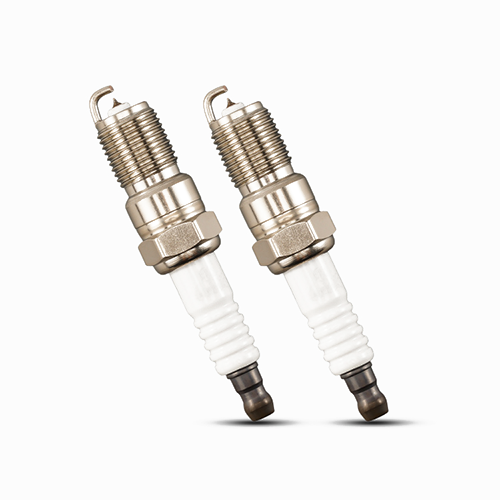
Among ignition components, the spark plug represents perhaps the most frequently serviced item in automotive workshops. These small but crucial components create the electrical arc that ignites the air-fuel mixture in each cylinder. Regular spark plug inspection reveals valuable information about engine condition, fuel quality, and combustion efficiency.
Workshop professionals should examine spark plug electrodes for wear patterns, carbon deposits, and gap measurements during routine maintenance. A worn spark plug can cause misfires, reduced fuel efficiency, and increased emissions. Modern iridium and platinum spark plugs offer extended service intervals compared to traditional copper plugs, but they still require periodic replacement based on manufacturer specifications and driving conditions.
Fuel System Critical Components
Fuel Delivery Infrastructure
The fuel system delivers precise amounts of gasoline or diesel to the engine under varying operating conditions. Fuel pumps, whether mechanical or electric, must maintain consistent pressure throughout the fuel rail system. Electric fuel pumps, now standard in most vehicles, operate continuously when the engine runs and face challenges from fuel contamination, electrical issues, and normal wear from constant operation.
Fuel filters play an equally important role by removing contaminants that could damage injection systems or affect combustion quality. Workshop technicians encounter fuel-related problems frequently, especially in areas where fuel quality varies or where vehicles sit unused for extended periods. Water contamination, particularly in diesel systems, can cause significant damage if not addressed promptly.
Injection System Maintenance
Modern fuel injection systems require specialized diagnostic equipment and cleaning procedures to maintain optimal performance. Fuel injectors can become clogged with deposits from low-quality fuel or normal combustion byproducts. These deposits affect spray patterns and fuel atomization, leading to poor engine performance, increased emissions, and reduced fuel economy.
Direct injection systems, now common in many newer vehicles, present additional challenges for workshop technicians. These systems operate at much higher pressures than traditional port injection systems and require specific tools and training for proper service. Carbon buildup on intake valves becomes a particular concern with direct injection engines, as fuel no longer washes over these components during normal operation.
Air Intake and Filtration Systems
Air Filter Maintenance Protocols
Clean air supply remains fundamental to proper engine operation, making air filters one of the most frequently inspected components in automotive workshops. Clogged air filters restrict airflow, leading to rich fuel mixtures, reduced power output, and increased fuel consumption. Workshop technicians should inspect air filters during every service interval, checking for dirt accumulation, damage, and proper sealing within the housing.
Modern engines with sophisticated engine management systems can partially compensate for restricted air filters, but this compensation comes at the cost of performance and efficiency. Some high-performance and luxury vehicles use expensive pleated or foam filters that require careful handling during replacement. Understanding the specific requirements for each vehicle type ensures proper service and customer satisfaction.
Intake System Components
The complete air intake system includes multiple components beyond the primary air filter. Mass airflow sensors measure the volume of air entering the engine, providing critical data to the engine control unit for fuel mixture calculations. These sensors can become contaminated or damaged, leading to poor engine performance and diagnostic trouble codes.
Throttle bodies control airflow into the engine based on accelerator pedal position and engine management system commands. Electronic throttle control systems, now standard in most vehicles, require periodic cleaning and calibration. Carbon buildup around the throttle plate can cause rough idle conditions and affect engine response, making throttle body service an important workshop procedure.
Cooling System Essential Elements
Coolant Circulation Components
Engine cooling systems prevent overheating damage while maintaining optimal operating temperatures for efficiency and emissions control. Water pumps circulate coolant through the engine block, cylinder heads, and radiator system. These pumps face constant pressure and temperature cycles that can cause seal failures, bearing wear, and impeller damage over time.
Radiators dissipate heat from the coolant through air circulation and heat transfer. Workshop technicians frequently encounter radiator problems including clogged tubes, external damage, and internal corrosion. Modern aluminum radiators offer improved heat transfer but can be more susceptible to corrosion if proper coolant maintenance schedules are not followed.
Temperature Control Systems
Thermostats regulate coolant flow between the engine and radiator based on operating temperature. These simple but critical components can stick open or closed, causing overheating or extended warm-up periods. Modern engines with precise temperature requirements use electronically controlled thermostats that provide more accurate temperature control than traditional wax-pellet designs.
Cooling fans, whether mechanical or electric, provide additional airflow through the radiator when vehicle speed cannot provide sufficient cooling. Electric cooling fans controlled by temperature sensors and engine management systems offer better fuel economy but introduce additional electrical components that can fail. Workshop diagnostics must include fan operation testing under various operating conditions.
Lubrication System Components
Oil Circulation Infrastructure
Engine lubrication systems protect moving parts from wear while removing heat and combustion byproducts from critical areas. Oil pumps maintain pressure throughout the lubrication system, ensuring adequate flow to bearings, valve trains, and other moving components. Modern engines with variable valve timing and direct injection systems place additional demands on lubrication systems.
Oil filters remove contaminants from circulating oil, extending oil life and protecting engine components. Workshop technicians should inspect used oil filters for signs of contamination, metal particles, or unusual wear patterns that might indicate internal engine problems. High-quality filters with proper bypass valves ensure continued lubrication even when filter media becomes restricted.
Oil Quality Management
Modern engine oils contain sophisticated additive packages designed for specific engine types and operating conditions. Workshops must stock various oil grades and specifications to meet manufacturer requirements for different vehicle models. Synthetic oils offer extended drain intervals and better protection under extreme conditions but require proper disposal procedures and customer education about longer service intervals.
Oil analysis can provide valuable information about engine condition and appropriate service intervals for specific vehicles and operating conditions. Some workshops offer oil analysis services to commercial customers operating vehicle fleets, helping optimize maintenance schedules and identify potential problems before they cause expensive repairs.
FAQ
How often should spark plugs be replaced in modern vehicles
Most modern vehicles with iridium or platinum spark plugs require replacement every 60,000 to 100,000 miles, depending on manufacturer specifications and driving conditions. Severe driving conditions such as frequent short trips, stop-and-go traffic, or extreme temperatures may require more frequent replacement. Workshop technicians should always consult manufacturer maintenance schedules and inspect spark plug condition during routine services to determine appropriate replacement intervals.
What are the most common signs of fuel system problems
Common fuel system issues include difficulty starting, rough idle, reduced power output, poor fuel economy, and engine hesitation during acceleration. These symptoms can indicate problems with fuel pumps, filters, injectors, or fuel pressure regulators. Workshop diagnostics should include fuel pressure testing, injector flow testing, and fuel quality inspection to identify specific components requiring attention.
How can workshops identify cooling system problems early
Early cooling system problem detection involves regular inspection of coolant levels, condition, and system pressure testing. Warning signs include coolant leaks, overheating, unusual coolant colors or textures, and temperature gauge fluctuations. Workshop technicians should perform pressure tests, thermostat operation checks, and radiator flow tests during routine maintenance to prevent costly engine damage from cooling system failures.
What maintenance practices extend engine component life
Regular maintenance including timely oil changes, air filter replacement, and cooling system service significantly extends engine component life. Using manufacturer-specified fluids and parts, following recommended service intervals, and addressing problems promptly prevents minor issues from developing into major repairs. Workshop education programs help customers understand the importance of preventive maintenance in protecting their automotive investments.