
 EN
EN
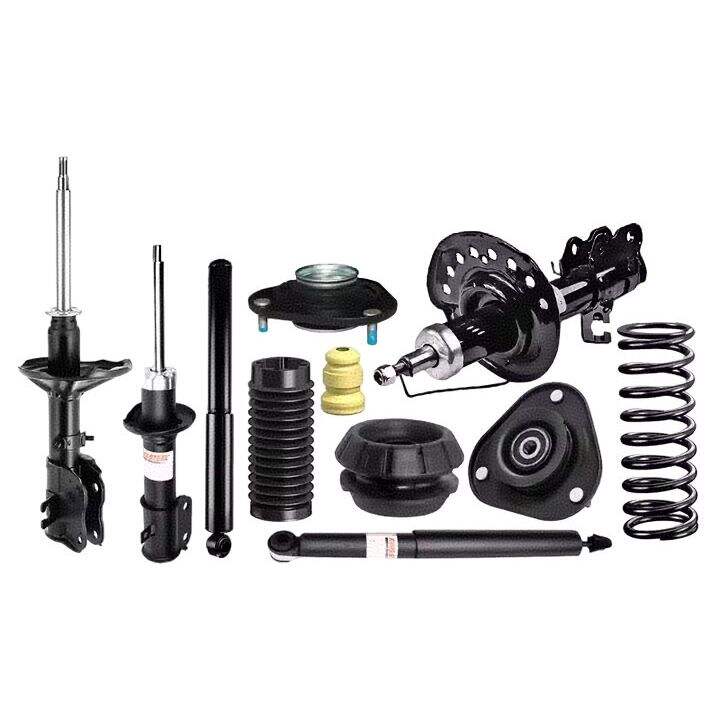
Shock absorbers serve as the critical dampening component in modern suspension systems, controlling the oscillation of springs and maintaining tire contact with the road surface. These hydraulic or gas-charged devices work continuously to absorb kinetic energy from road impacts, converting it into heat energy that dissipates safely away from the vehicle structure. Understanding the specific role of shock absorbers within the broader suspension architecture helps explain why these components are essential for vehicle safety, comfort, and performance across all driving conditions.
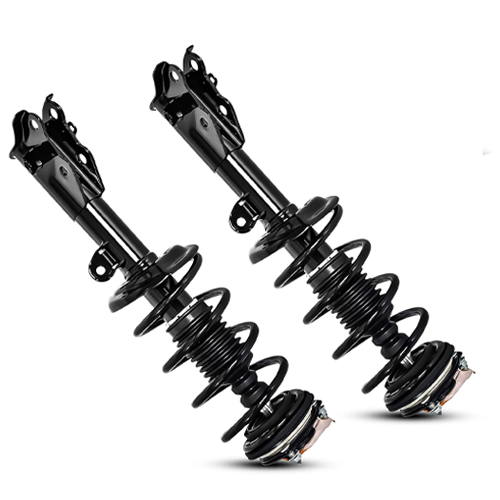
Modern automotive engineering integrates shock absorbers as force-controlling elements that work in partnership with springs, anti-roll bars, and mounting hardware to create a complete suspension system. The shock absorber's primary function extends beyond simple comfort enhancement, encompassing critical safety roles including maintaining predictable handling characteristics, preventing excessive body roll during cornering, and ensuring consistent braking performance by keeping wheels properly positioned relative to the road surface.
Primary Dampening Functions in Suspension Control
Spring Oscillation Management
Shock absorbers control the natural tendency of suspension springs to continue bouncing after encountering road irregularities. Without proper dampening, springs would oscillate freely for several cycles after each impact, creating an uncomfortable and potentially dangerous driving experience. The shock absorber's internal valving system regulates fluid flow through precisely engineered orifices, creating controlled resistance that gradually reduces spring movement until the suspension returns to its neutral position.
The dampening process occurs through both compression and extension cycles, with shock absorbers typically providing different resistance levels for each direction of movement. During compression, when the wheel encounters an upward force from road surface irregularities, the shock absorber allows controlled compression while preventing harsh impacts from transferring directly to the vehicle body. During the extension phase, as the spring pushes the wheel back toward the road surface, the shock absorber prevents the spring from extending too rapidly and causing wheel separation from the pavement.
Kinetic Energy Dissipation
The energy transformation role of shock absorbers involves converting mechanical energy from suspension movement into heat energy through fluid friction. This process occurs within the shock absorber's internal chambers, where hydraulic fluid is forced through calibrated valves and passages. The friction generated during this fluid movement creates heat that dissipates through the shock absorber housing, effectively removing kinetic energy from the suspension system rather than allowing it to continue cycling through the springs.
Modern shock absorbers incorporate sophisticated valve designs that provide variable dampening characteristics based on the speed and amplitude of suspension movement. Low-speed movements, such as those encountered during normal driving over gentle road undulations, receive minimal dampening resistance to maintain ride comfort. High-speed impacts from significant road irregularities trigger increased dampening force to prevent harsh impacts and maintain vehicle control during challenging driving conditions.
Integration with Modern Suspension Architecture
MacPherson Strut Systems
In MacPherson strut suspension designs, shock absorbers function as structural components that combine dampening capabilities with load-bearing responsibilities. The strut assembly integrates the shock absorber with the coil spring and top mount, creating a single unit that handles both vertical load support and dampening functions. This integration requires shock absorbers to maintain precise dimensional stability while managing both compression and extension forces throughout their operating range.
The structural role of shock absorbers in MacPherson strut systems extends to steering geometry maintenance, as the strut assembly directly influences camber and caster angles during suspension travel. Quality shock absorbers in these applications must provide consistent dampening characteristics while maintaining their internal sealing integrity under the additional stresses imposed by structural loading and steering input forces.
Multi-Link Independent Suspension
Multi-link suspension systems position shock absorbers as dedicated dampening elements separate from the spring components, allowing for more precise tuning of both spring rates and dampening characteristics. In these configurations, shock absorbers can be positioned at optimal angles to provide the most effective dampening for the specific suspension geometry, often resulting in improved ride quality and handling precision compared to more traditional suspension layouts.
The separation of spring and dampening functions in multi-link systems allows engineers to optimize shock absorbers for their primary dampening role without compromising their effectiveness due to structural loading requirements. This design approach enables the use of specialized shock absorber technologies, including adaptive dampening systems that can adjust their characteristics in real-time based on driving conditions and vehicle dynamics.
Dynamic Vehicle Control Contributions
Handling Stability Enhancement
Shock absorbers contribute significantly to vehicle handling stability by controlling body movement during cornering, acceleration, and braking events. During cornering maneuvers, properly functioning shock absorbers prevent excessive body roll by controlling the compression and extension of springs on opposite sides of the vehicle. This control maintains more consistent tire contact patches with the road surface, preserving traction and steering responsiveness throughout the cornering process.
The handling enhancement provided by shock absorbers extends to their ability to control weight transfer during dynamic driving situations. When a vehicle accelerates, brakes, or changes direction, weight shifts between different wheels and suspension components. Shock absorbers manage these weight transfer events by providing appropriate resistance to suspension movement, preventing excessive load concentration on individual tires and maintaining balanced traction distribution across all four contact patches.
Braking Performance Optimization
Effective braking performance depends heavily on maintaining consistent tire contact with the road surface, a function directly supported by properly operating shock absorbers. During braking events, forward weight transfer creates increased loading on front suspension components while reducing rear wheel loading. Shock absorbers control this weight transfer process, preventing excessive nose dive that could compromise steering control and ensuring rear wheels maintain sufficient ground contact for stability.
The role of shock absorbers in braking performance becomes particularly critical during emergency stopping situations or when braking on irregular road surfaces. Without adequate dampening, wheels can momentarily lose contact with the road surface due to suspension oscillation, creating dangerous reductions in braking force and potential loss of vehicle control. Quality shock absorbers maintain wheel-to-road contact consistency even under severe braking conditions.
Comfort and NVH Control Functions
Ride Quality Management
Shock absorbers play a fundamental role in translating road surface irregularities into acceptable levels of cabin movement and occupant comfort. The dampening characteristics of shock absorbers determine how quickly suspension movements settle after encountering bumps, potholes, or other road disturbances. Proper dampening allows the suspension to absorb impacts without transmitting harsh jolts to vehicle occupants while preventing prolonged bouncing that would create motion sickness or discomfort.
Modern shock absorber designs incorporate velocity-sensitive dampening that automatically adjusts resistance based on the speed of suspension movement. This technology allows for soft dampening during gentle road inputs to maintain comfort while providing firm control during more severe impacts. The result is a suspension system that adapts its behavior to provide optimal comfort across a wide range of driving conditions without requiring active intervention from the driver.
Noise and Vibration Isolation
The vibration control function of shock absorbers extends beyond simple ride comfort to include isolation of road-induced noise and high-frequency vibrations that could otherwise transmit through the vehicle structure. Shock absorbers accomplish this through their internal dampening mechanisms, which dissipate vibrational energy before it can propagate through suspension mounting points into the vehicle cabin.
Quality shock absorbers incorporate design features specifically intended to minimize noise generation during operation, including precision-machined internal components and specialized sealing systems that prevent the development of internal air bubbles or cavitation that could create objectionable sounds. The overall NVH performance of a vehicle depends significantly on the condition and quality of its shock absorbers, as worn or inferior dampening components can introduce rattles, clunks, and other unwanted sounds during normal driving.
FAQ
How do shock absorbers differ from struts in their suspension role?
Shock absorbers function purely as dampening devices, while struts combine dampening with structural support for the vehicle. In strut-based suspensions, the strut assembly includes the shock absorber along with spring mounting and often steering pivot points, making it a load-bearing component. Traditional shock absorbers mount between suspension control arms and the vehicle body, focusing exclusively on controlling spring oscillation without carrying structural loads.
What happens to suspension performance when shock absorbers begin failing?
Failing shock absorbers initially reduce dampening effectiveness, allowing springs to oscillate longer after road impacts and creating a bouncy, less controlled ride quality. As deterioration progresses, handling becomes less predictable with increased body roll during cornering and longer stopping distances due to reduced tire contact consistency. Eventually, completely failed shock absorbers provide no dampening control, making the vehicle unsafe to drive due to unpredictable suspension behavior and potential loss of tire contact during normal driving conditions.
Can shock absorbers be upgraded to improve vehicle performance?
Performance shock absorbers can significantly enhance vehicle dynamics by providing more precise dampening control, often with adjustable characteristics for different driving conditions. Upgraded shock absorbers typically offer improved resistance to fade during extended use, better high-speed dampening control, and more consistent performance across temperature variations. However, shock absorber upgrades must be matched to existing spring rates and suspension geometry to achieve optimal results without compromising ride quality or creating handling imbalances.
How often should shock absorbers be inspected or replaced in modern vehicles?
Shock absorbers should be inspected annually for signs of leakage, physical damage, or mounting wear, with replacement typically recommended between 50,000 to 100,000 miles depending on driving conditions and vehicle usage. Vehicles frequently operated on rough roads or under heavy loading conditions may require more frequent shock absorber replacement. Performance degradation often occurs gradually, making it important to have suspension components professionally evaluated if ride quality, handling, or braking performance begins to deteriorate.