
 EN
EN
Commercial fleet managers face unique challenges when selecting auto parts that can withstand the demanding conditions of daily operations. High-mileage vehicles, frequent stops, and heavy loads put extraordinary stress on vehicle components, making durability a critical factor in part selection. Understanding which components offer the best longevity can significantly impact operational costs, vehicle downtime, and overall fleet efficiency. Fleet operators must balance initial investment costs with long-term reliability to maximize their return on investment.
Critical Brake System Components for Fleet Longevity
Understanding Brake Pad Materials and Performance
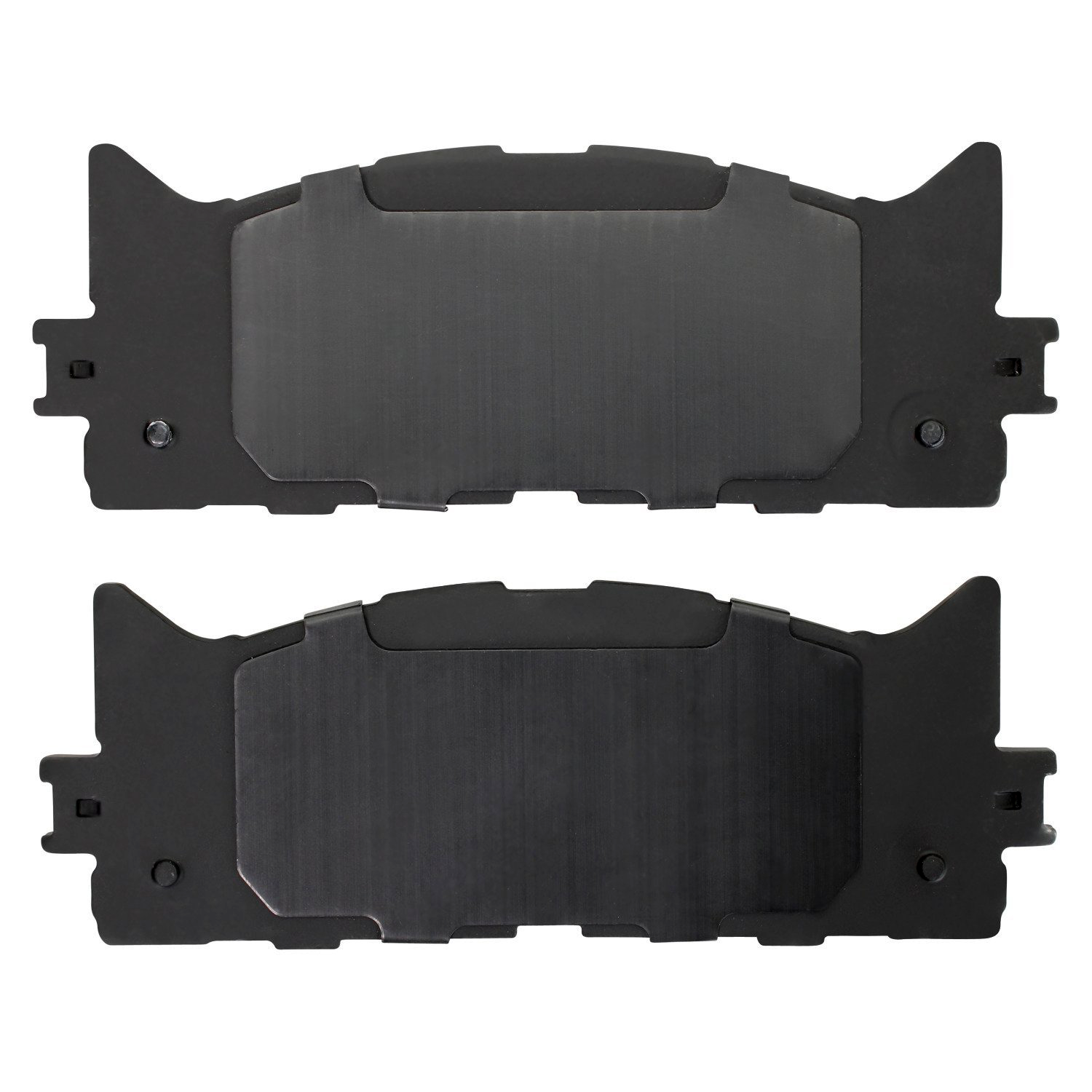
The choice of brake pad material significantly impacts both performance and longevity in commercial fleet applications. Ceramic brake pads offer superior durability compared to organic compounds, providing consistent performance under high-temperature conditions. These advanced materials resist fade and wear, making them ideal for vehicles that experience frequent braking cycles. Fleet managers should consider the specific operating conditions of their vehicles when selecting brake pad materials.
Semi-metallic brake pads provide excellent heat dissipation and durability for heavy-duty applications. While they may produce more noise than ceramic alternatives, their robust construction makes them suitable for commercial vehicles that carry heavy loads or operate in mountainous terrain. The metallic content helps maintain consistent braking performance even under extreme conditions, contributing to overall fleet safety and reliability.
Rotor Design and Construction Considerations
High-quality brake rotors feature advanced metallurgy and design elements that enhance durability in fleet applications. Vented rotors provide superior heat dissipation compared to solid designs, reducing the likelihood of warping or cracking under heavy use. The cooling vanes between rotor faces create airflow that helps maintain optimal operating temperatures during extended braking periods.
Premium brake pads and rotors often incorporate advanced coatings that resist corrosion and extend service life. These protective finishes prevent rust formation on non-contact surfaces, maintaining the rotor's structural integrity over time. Fleet vehicles operating in harsh climates or coastal environments particularly benefit from these corrosion-resistant treatments.
Engine Components That Maximize Fleet Uptime
Oil Filter Technology and Filtration Efficiency
Advanced oil filtration systems play a crucial role in protecting commercial fleet engines from premature wear. High-efficiency filters with synthetic media capture smaller particles than conventional paper filters, providing superior engine protection. These premium filters often feature longer service intervals, reducing maintenance frequency and associated labor costs for fleet operations.
Bypass filtration systems offer additional protection by continuously cleaning a portion of the engine oil. This supplementary filtration extends oil change intervals and reduces engine wear, particularly beneficial for high-mileage commercial vehicles. Fleet managers implementing bypass systems often report significant reductions in engine-related maintenance costs and improved fuel economy.
Air Intake System Optimization
Premium air filters with synthetic media provide enhanced filtration capacity and longer service life compared to paper alternatives. These advanced filters maintain airflow efficiency while capturing more contaminants, protecting engine internals from damaging particles. Commercial vehicles operating in dusty environments particularly benefit from high-capacity air filtration systems.
Cold air intake systems can improve engine performance and efficiency when properly selected for commercial applications. These systems reduce intake air temperature, increasing air density and potentially improving combustion efficiency. However, fleet managers must ensure that aftermarket intake systems maintain adequate filtration capacity for demanding commercial environments.
Transmission Components for Extended Service Life
Automatic Transmission Fluid Selection
Synthetic transmission fluids offer superior thermal stability and oxidation resistance compared to conventional petroleum-based fluids. These advanced lubricants maintain viscosity across wider temperature ranges, providing consistent protection during extreme operating conditions. Fleet vehicles with automatic transmissions benefit from extended drain intervals and improved shift quality when using synthetic fluids.
Transmission coolers help maintain optimal fluid temperatures, particularly important for vehicles that tow heavy loads or operate in stop-and-go traffic. External coolers supplement the radiator-mounted heat exchanger, providing additional cooling capacity during demanding operations. This supplementary cooling extends transmission life and maintains consistent performance under stress.
Clutch System Durability Factors
Manual transmission clutches in commercial applications require careful material selection to withstand frequent engagement cycles. Organic clutch materials provide smooth engagement but may wear quickly under heavy use, while ceramic-metallic compounds offer enhanced durability at the cost of engagement smoothness. Fleet operators must balance driver comfort with component longevity when selecting clutch materials.
Dual-mass flywheels reduce drivetrain vibration and improve shift quality in modern commercial vehicles. These sophisticated components incorporate internal damping mechanisms that absorb engine pulses, protecting transmission components from shock loads. While more expensive than solid flywheels, dual-mass designs often provide superior durability in high-torque applications.
Suspension and Steering System Durability
Heavy-Duty Shock Absorber Technologies
Gas-charged shock absorbers provide consistent damping performance across temperature ranges, making them ideal for commercial fleet applications. The pressurized nitrogen gas prevents fluid cavitation and maintains damping characteristics under extreme conditions. These premium shocks often feature larger oil capacities and enhanced cooling fins for improved heat dissipation.
Adjustable shock absorbers allow fleet managers to optimize suspension settings for specific applications or load conditions. This adaptability extends component life by preventing overloading during heavy-duty operations while maintaining ride quality during lighter loads. Electronic adjustment systems provide real-time optimization based on vehicle sensors and operating conditions.
Steering Component Longevity Strategies
Power steering pumps with enhanced sealing systems resist contamination and maintain consistent pressure output throughout their service life. Premium pumps often incorporate improved bearing designs and corrosion-resistant materials that withstand harsh operating environments. Regular fluid changes using manufacturer-specified lubricants significantly extend pump life in commercial applications.
Tie rod ends and ball joints with greaseable fittings allow for periodic lubrication, extending service life compared to sealed components. While requiring additional maintenance attention, greaseable joints can be serviced to remove contaminants and replenish lubricant. This maintenance capability often justifies the additional cost in high-mileage commercial applications where replacement frequency becomes significant.
Electrical System Components for Reliable Operation
Battery Technology and Performance Characteristics
Absorbed Glass Mat batteries provide superior vibration resistance and deep-cycle capability compared to conventional flooded batteries. These sealed batteries require no maintenance and resist sulfation, common causes of premature battery failure in commercial vehicles. AGM technology particularly benefits vehicles with high electrical demands or frequent start-stop cycles.
Battery management systems monitor charge status and prevent overcharging or deep discharge conditions that reduce battery life. These electronic systems optimize charging profiles based on battery chemistry and operating conditions, maximizing service life while maintaining reliable starting performance. Fleet vehicles equipped with advanced electrical systems particularly benefit from intelligent battery management.
Alternator Design and Output Considerations
High-output alternators with enhanced cooling systems maintain consistent charging performance under demanding conditions. Larger alternators with improved heat dissipation capabilities resist thermal stress that commonly causes premature failure in commercial applications. Fleet vehicles with auxiliary equipment or high electrical demands require properly sized alternators to prevent system overload.
Brushless alternator designs eliminate a common wear component, providing extended service life compared to traditional brush-type units. While initially more expensive, brushless alternators reduce maintenance requirements and provide more consistent output throughout their service life. The elimination of carbon brush replacement intervals particularly benefits high-mileage commercial vehicles.
Tire Selection for Maximum Fleet Value
Commercial Tire Construction and Compounds
Steel-belted radial tires provide superior durability and heat dissipation compared to bias-ply construction in commercial applications. The radial design reduces rolling resistance while maintaining structural integrity under heavy loads. Commercial-grade compounds resist cutting and chipping while providing adequate traction across various road surfaces.
Retreaded tires offer cost-effective solutions for fleet applications when properly selected and maintained. Quality retreading processes can extend tire life by 50-80% compared to new tire replacement, significantly reducing fleet operating costs. However, retreaded tires require careful inspection and proper application matching to ensure safe operation and maximum value.
Tire Pressure Monitoring and Maintenance
Automatic tire inflation systems maintain optimal pressure levels, reducing irregular wear and extending tire life. These systems compensate for natural pressure loss and prevent underinflation, which causes excessive heat buildup and premature failure. Fleet vehicles operating long distances or carrying heavy loads particularly benefit from automatic inflation systems.
Regular tire rotation schedules help ensure even wear patterns across all positions, maximizing total tire investment. Commercial vehicles with different front and rear loading patterns require position-specific rotation strategies to achieve optimal tire life. Documenting rotation intervals and wear patterns helps fleet managers identify vehicle-specific issues that may affect tire longevity.
FAQ
How often should commercial fleet vehicles have brake pads and rotors inspected?
Commercial fleet brake systems should undergo inspection every 15,000 to 25,000 miles, depending on operating conditions and vehicle type. Vehicles operating in stop-and-go traffic, mountainous terrain, or carrying heavy loads may require more frequent inspections. Visual inspection of brake pad thickness and rotor condition during routine maintenance helps prevent unexpected failures and maintains fleet safety standards.
What factors determine the optimal oil change interval for commercial vehicles?
Oil change intervals depend on several factors including engine type, oil quality, operating conditions, and manufacturer recommendations. Synthetic oils typically allow extended drain intervals compared to conventional petroleum products. Fleet vehicles operating under severe conditions such as frequent short trips, extreme temperatures, or dusty environments may require shorter intervals regardless of oil type. Oil analysis programs can help determine optimal change intervals based on actual wear conditions.
Are aftermarket parts suitable for commercial fleet applications?
Quality aftermarket parts can provide excellent value for commercial fleets when properly selected and sourced from reputable manufacturers. OEM-equivalent parts often offer similar performance and durability at reduced cost compared to dealer parts. However, critical safety components such as brake systems should meet or exceed original equipment specifications. Fleet managers should evaluate aftermarket suppliers based on warranty coverage, quality certifications, and long-term availability.
How can fleet managers evaluate the total cost of ownership for different auto parts?
Total cost of ownership analysis should include initial purchase price, installation labor, expected service life, and associated downtime costs. Premium parts with higher initial costs often provide better value when their extended service life and improved reliability reduce overall maintenance expenses. Fleet managers should also consider warranty coverage, availability, and the supplier's technical support capabilities when evaluating part options for long-term fleet operations.
Table of Contents
- Critical Brake System Components for Fleet Longevity
- Engine Components That Maximize Fleet Uptime
- Transmission Components for Extended Service Life
- Suspension and Steering System Durability
- Electrical System Components for Reliable Operation
- Tire Selection for Maximum Fleet Value
-
FAQ
- How often should commercial fleet vehicles have brake pads and rotors inspected?
- What factors determine the optimal oil change interval for commercial vehicles?
- Are aftermarket parts suitable for commercial fleet applications?
- How can fleet managers evaluate the total cost of ownership for different auto parts?