
 EN
EN
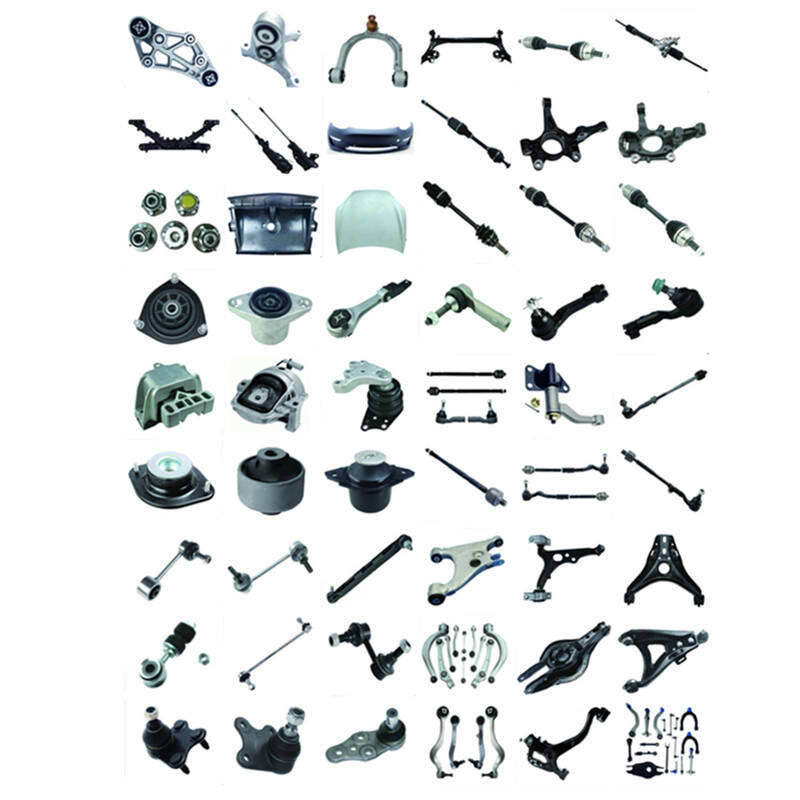
Automotive components face constant exposure to harsh environmental conditions, making corrosion resistance a critical factor in vehicle longevity and performance. Understanding which body components offer superior protection against rust and degradation helps manufacturers and consumers make informed decisions about material selection and maintenance strategies. The automotive industry has developed various alloys, coatings, and design approaches to combat corrosion effectively.
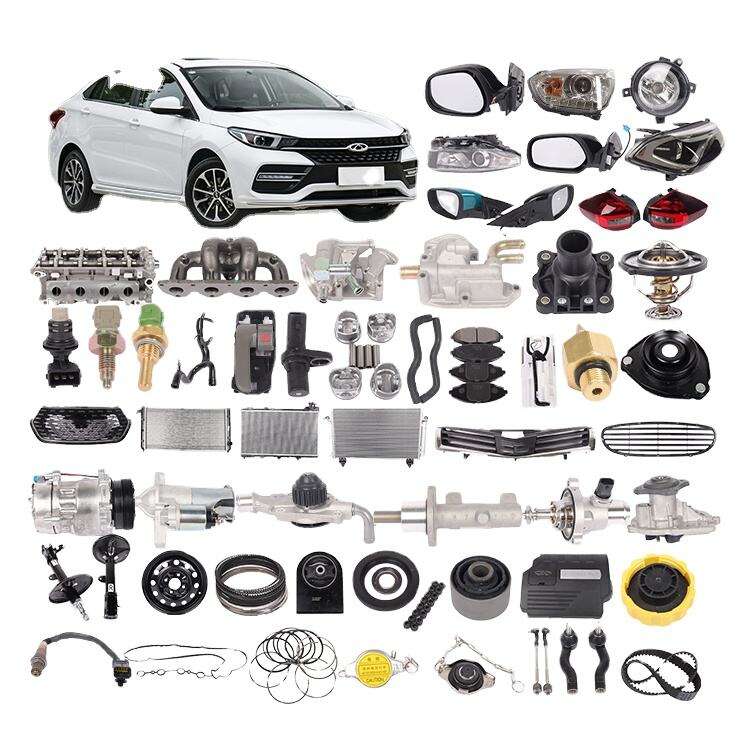
Modern vehicles incorporate multiple materials and protective systems to ensure optimal durability across different operational environments. From coastal regions with high salt content to industrial areas with chemical pollutants, automotive components must withstand diverse corrosive agents. The selection of appropriate materials and protective measures directly impacts vehicle reliability, safety, and overall cost of ownership throughout the service life.
Stainless Steel Components and Their Superior Protection
Exhaust System Applications
Exhaust systems represent one of the most demanding applications for corrosion-resistant materials in automotive design. These components operate under extreme temperature variations while being exposed to corrosive exhaust gases containing sulfur compounds, water vapor, and other aggressive chemicals. Stainless steel grades such as 304 and 316 have become industry standards due to their exceptional resistance to both high-temperature oxidation and chemical attack.
The chromium content in stainless steel forms a passive oxide layer that self-heals when damaged, providing continuous protection against environmental factors. This characteristic makes stainless steel particularly valuable for catalytic converters, exhaust manifolds, and muffler systems where traditional carbon steel would rapidly deteriorate. The initial investment in stainless steel components typically results in significantly reduced maintenance costs and extended service intervals.
Manufacturing processes for stainless steel exhaust components have evolved to optimize both corrosion resistance and thermal performance. Advanced welding techniques and heat treatment procedures ensure that weld zones maintain their protective properties while withstanding thermal cycling. These improvements have made corrosion resistance a key selling point for premium exhaust system manufacturers targeting durability-conscious consumers.
Structural Framework Elements
Automotive structural components increasingly utilize stainless steel in critical areas where corrosion resistance directly impacts safety and structural integrity. Door frames, window surrounds, and reinforcement bars benefit from stainless steel's ability to maintain strength properties even when exposed to road salt and environmental contaminants. The material's high strength-to-weight ratio allows designers to create robust structures without significant weight penalties.
Advanced high-strength stainless steel grades provide enhanced corrosion resistance while meeting crashworthiness requirements. These materials undergo specialized forming processes to achieve complex geometries while preserving their protective oxide layer. The combination of mechanical properties and environmental resistance makes stainless steel structural components particularly valuable in luxury and commercial vehicle applications where longevity justifies higher material costs.
Aluminum Alloy Systems and Protective Measures
Natural Oxide Formation
Aluminum naturally forms a thin, dense oxide layer that provides excellent baseline protection against many corrosive environments. This aluminum oxide film is self-renewing and offers superior resistance to atmospheric corrosion compared to unprotected ferrous materials. The automotive industry leverages this natural characteristic through careful alloy selection and surface preparation techniques that optimize oxide layer formation and stability.
Different aluminum alloys exhibit varying levels of corrosion resistance based on their composition and microstructure. The 5000 and 6000 series alloys commonly used in automotive applications provide excellent corrosion resistance in most service environments. Heat treatment and aging processes can be tailored to enhance both mechanical properties and corrosion performance, creating materials optimized for specific automotive applications.
Anodizing and Surface Treatments
Anodized aluminum components demonstrate exceptional corrosion resistance through controlled oxide layer thickening and sealing processes. This electrochemical treatment creates a porous oxide structure that can be sealed to provide enhanced barrier protection. Anodized surfaces resist salt spray, industrial pollutants, and UV radiation while maintaining their protective properties over extended service periods.
Advanced anodizing processes incorporate colorants and additional sealing treatments to provide both aesthetic appeal and functional protection. Hard anodizing creates extremely durable surfaces suitable for high-wear applications while maintaining superior corrosion resistance. These treatments have become standard for aluminum wheel rims, trim components, and architectural elements where appearance and durability are both critical requirements.
Galvanized Steel Technologies
Hot-Dip Galvanizing Process
Hot-dip galvanizing provides steel components with sacrificial zinc coating that offers cathodic protection against corrosion. This process creates a metallurgically bonded zinc layer that protects the underlying steel even when the coating is scratched or damaged. The zinc preferentially corrodes, preserving the structural integrity of the base steel component throughout its service life.
Modern galvanizing processes incorporate multiple zinc-iron alloy layers that provide graduated protection and improved adhesion. These layered structures offer enhanced corrosion resistance compared to simple zinc coatings while maintaining excellent formability for complex automotive components. The automotive industry has standardized on specific coating thicknesses and alloy compositions to ensure consistent protection across different operating environments.
Electrogalvanized Coatings
Electrogalvanizing offers precise control over coating thickness and uniformity, making it ideal for components requiring tight dimensional tolerances. This process deposits pure zinc through electrochemical means, creating smooth, uniform coatings suitable for subsequent painting or additional surface treatments. The controlled deposition process ensures consistent corrosion resistance across complex geometries and tight spaces.
Advanced electrogalvanizing systems incorporate multi-layer coatings and organic topcoats to provide enhanced protection in severe service environments. These hybrid systems combine the cathodic protection of zinc with barrier properties of organic films, resulting in superior overall corrosion resistance. Such treatments are particularly valuable for automotive body panels and structural components exposed to road salt and industrial contaminants.
Advanced Coating Technologies
Ceramic and Composite Coatings
Ceramic coatings provide exceptional corrosion resistance through dense, chemically inert barrier layers that resist penetration by corrosive agents. These coatings can withstand extreme temperatures while maintaining their protective properties, making them ideal for exhaust system components and engine bay applications. Advanced ceramic formulations incorporate nanoparticles and reinforcing phases to enhance both mechanical and corrosion resistance properties.
Plasma-sprayed ceramic coatings create thick, durable layers suitable for severe service applications where traditional organic coatings would fail. These coatings resist thermal cycling, chemical attack, and mechanical wear while providing long-term corrosion resistance. The application process can be tailored to create specific microstructures optimized for particular environmental challenges, resulting in highly effective protective systems.
Polymer-Based Protection Systems
Modern polymer coatings utilize advanced resin technologies to provide flexible, durable barriers against corrosion. These systems can be formulated to resist specific chemicals and environmental conditions while maintaining adhesion and flexibility throughout temperature cycling. Fluoropolymer and polyurethane-based systems offer exceptional longevity and resistance to UV radiation, making them suitable for exterior automotive applications.
Multi-layer polymer systems combine primer, intermediate, and topcoat layers to provide comprehensive protection against various failure modes. Each layer serves specific functions, from corrosion inhibition to UV protection, creating synergistic effects that exceed the performance of individual coating components. These sophisticated systems require careful application and curing processes to achieve optimal corrosion resistance and service life.
Environmental Factors and Material Selection
Climate Considerations
Different climatic conditions impose varying corrosion challenges that influence material selection and protective system design. Coastal environments with high chloride content require enhanced protection against pitting and crevice corrosion, while industrial areas demand resistance to acid rain and chemical pollutants. Temperature extremes affect coating performance and material thermal expansion, requiring careful consideration of these factors during design phases.
Humidity levels and seasonal variations impact corrosion rates and protective system performance. Materials and coatings must be selected to provide adequate protection throughout expected environmental extremes while maintaining structural and aesthetic properties. Long-term exposure testing in representative environments helps validate material selection and predict service life under actual operating conditions.
Road Salt and Chemical Exposure
Road salt applications during winter months create particularly aggressive corrosive environments for automotive components. Sodium chloride and alternative deicing chemicals penetrate into crevices and accelerate galvanic corrosion processes. Components must be designed with appropriate drainage and protective measures to minimize salt accumulation and exposure duration.
Industrial chemicals from fuel spills, cleaning products, and atmospheric pollutants present additional corrosion challenges. Material selection must consider potential exposure to acids, bases, and organic solvents that may compromise protective coatings or directly attack substrate materials. Comprehensive chemical compatibility testing ensures that selected materials and protection systems will perform adequately under expected service conditions.
FAQ
What makes stainless steel superior for corrosion resistance in automotive applications?
Stainless steel contains chromium which forms a self-healing passive oxide layer that continuously protects against corrosion. This layer automatically reforms when damaged, providing consistent protection against environmental factors, high temperatures, and chemical exposure. The material maintains its protective properties throughout thermal cycling and mechanical stress, making it ideal for demanding automotive applications like exhaust systems.
How do galvanized coatings protect steel components from corrosion?
Galvanized coatings provide sacrificial protection where the zinc coating corrodes preferentially to protect the underlying steel. Even when scratched or damaged, the zinc continues to provide cathodic protection to exposed steel areas. This mechanism ensures that the structural steel remains protected as long as zinc remains in the vicinity, significantly extending component service life compared to unprotected steel.
Which coating technologies offer the best long-term corrosion resistance?
Multi-layer systems combining different protection mechanisms typically provide the best long-term corrosion resistance. These may include galvanized steel substrates with polymer topcoats, or ceramic barrier coatings with organic sealers. The specific optimal system depends on the application environment, with marine applications requiring different solutions than desert or urban environments. Proper surface preparation and application procedures are critical for achieving maximum protection.
How does aluminum compare to steel for automotive corrosion resistance?
Aluminum naturally forms a protective oxide layer that provides excellent atmospheric corrosion resistance without additional treatments. However, aluminum can be susceptible to galvanic corrosion when in contact with dissimilar metals and may experience pitting in chloride environments. Steel requires protective coatings or alloying elements to match aluminum's natural corrosion resistance, but properly protected steel can achieve comparable or superior performance in many applications.
Table of Contents
- Stainless Steel Components and Their Superior Protection
- Aluminum Alloy Systems and Protective Measures
- Galvanized Steel Technologies
- Advanced Coating Technologies
- Environmental Factors and Material Selection
-
FAQ
- What makes stainless steel superior for corrosion resistance in automotive applications?
- How do galvanized coatings protect steel components from corrosion?
- Which coating technologies offer the best long-term corrosion resistance?
- How does aluminum compare to steel for automotive corrosion resistance?