rack and pinion steering
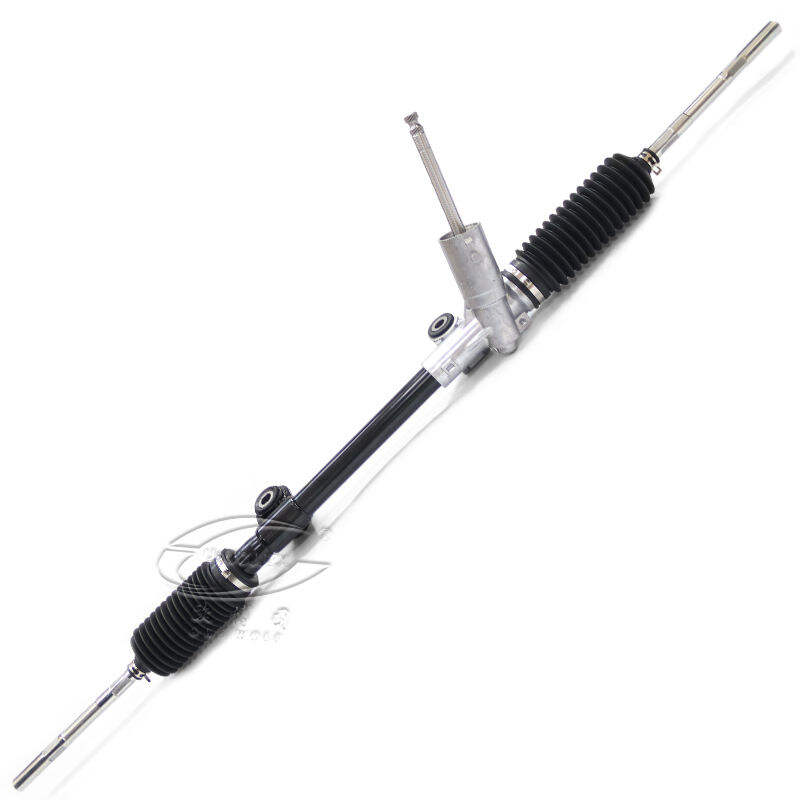
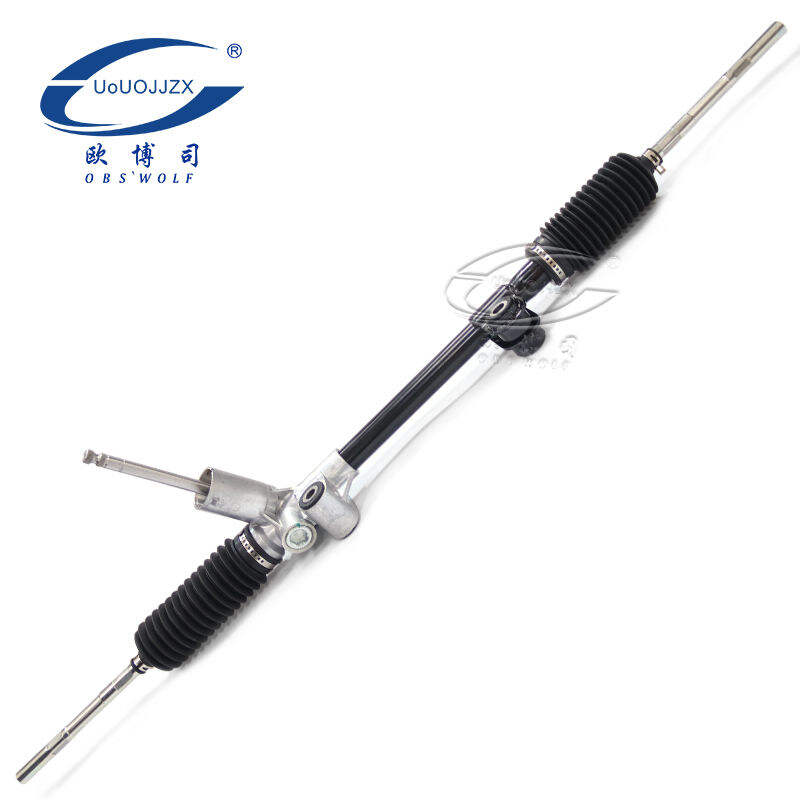
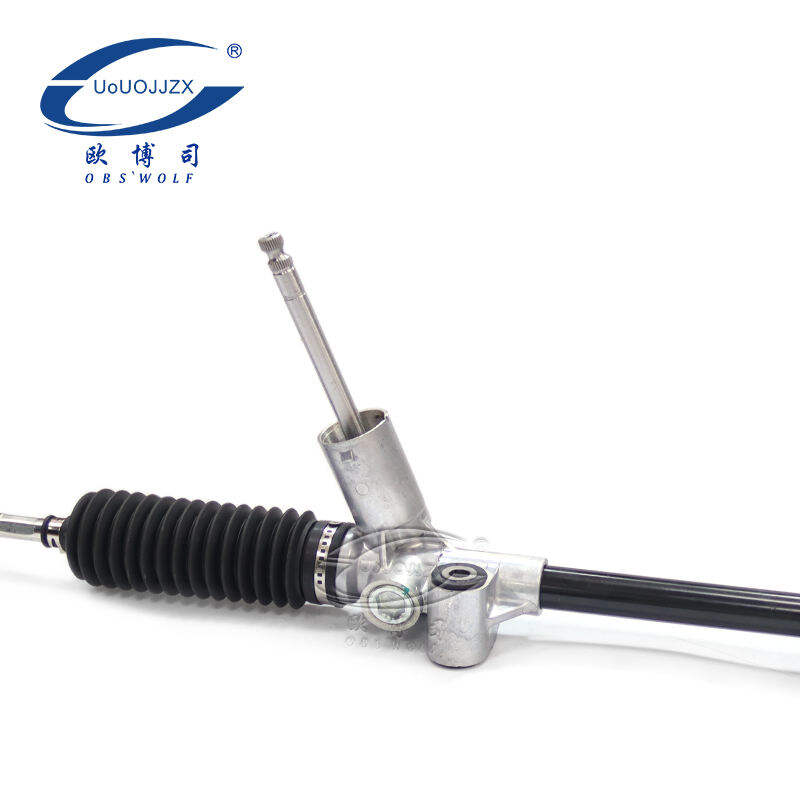
Rack and pinion steering represents a fundamental mechanical system that transforms the rotational motion of the steering wheel into the linear motion needed to turn a vehicle's wheels. This ingenious mechanism consists of two main components: a circular gear (pinion) that connects to the steering shaft and a linear gear bar (rack) that connects to the tie rods of the wheels. When the driver turns the steering wheel, the pinion gear rotates, engaging with the teeth on the rack, which then moves left or right. This linear movement is transferred to the wheels through the tie rods, effectively turning the vehicle in the desired direction. Modern rack and pinion systems often incorporate power assistance, either through hydraulic or electric means, reducing the effort required to steer while maintaining precise control. The system's direct mechanical connection provides excellent feedback to the driver, allowing them to feel the road conditions and maintain better control of the vehicle. This steering mechanism is particularly prevalent in passenger cars and light trucks, where its compact design, reliability, and responsive handling characteristics make it an ideal choice. The system's relatively simple design also contributes to easier maintenance and repairs compared to other steering mechanisms.
 EN
EN